
Related videos:
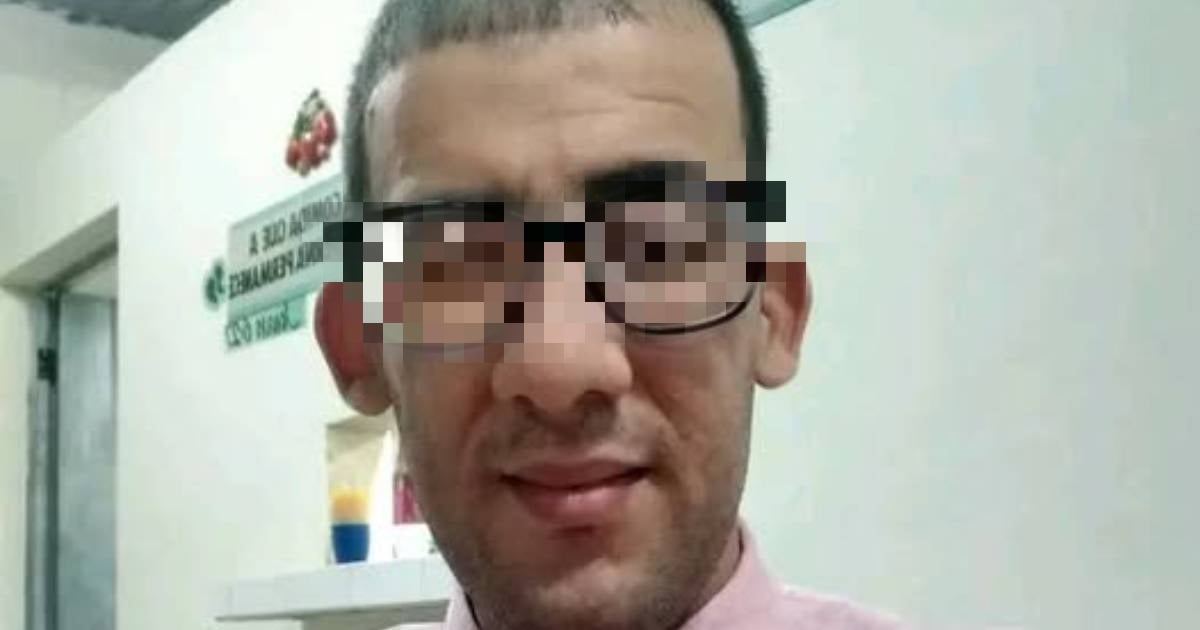
The crisis of the Cuban healthcare system has claimed another life, that of Alexis Almeida Riveiro, a 27-year-old resident of the municipality of Cruces, Cienfuegos, who died at the provincial hospital "Gustavo Aldereguía Lima" after not receiving a vital medical device for his treatment in a timely manner.
Alexis had suffered from hydrocephalus since childhood and urgently needed a new shunt, as the one he had implanted for years had ceased to function. Family and friends launched a desperate campaign to obtain the necessary supply, but the piece never arrived.
In social media, your friend Edismany Delgado dedicated a farewell message that reflects the pain of a loss that could have been avoided: “You didn't deserve this. You were about to get married, and the lack of supplies stole your dreams.” The wedding was scheduled to take place in 30 days.
Alexis's story is that of thousands of Cubans caught between scarcity and inadequate healthcare. According to another relative who shared on Facebook, his family even had a valve sent from abroad, but it was held up in U.S. Customs. Unable to access the device in Cuba, the young man was left at the mercy of a collapsed healthcare system.
The independent page La Proa del Centro reported that this is another example of the human cost of a model that is unable to guarantee basic resources needed to save lives.
The contrast with official propaganda
While in Cienfuegos a young man dies waiting for a valve, Fidel Castro's grandson was defending on CNN that Cuba “is still a medical powerhouse”, and the Ameijeiras hospital recently celebrated Fidel Castro's “legacy of excellence” in public health.
But the reality faced by Cubans contradicts those claims. Just last week, a child died in Santiago after ingesting an expired medication bought from the informal market, as state pharmacies remain out of stock.
The Minister of Health, José Ángel Portal Miranda, acknowledged before the National Assembly that the country only has 30% of the essential medication supply, leaving millions of citizens unprotected.
The human cost of the health crisis
The case of Alexis summarizes that fracture: while the regime insists on presenting the world with an image of a medical power, Cubans suffer from a shortage of the most basic supplies.
Alexis did not die solely due to a valve that never arrived, but because of a system that turned his hopes for life—and marriage—into a countdown. His death adds to a long list of victims of a healthcare crisis that, far from being resolved, continues to snatch away dreams and futures across the Island.
Frequently Asked Questions about the Health System Crisis in Cuba
Why did Alexis Almeida Riveiro die in Cienfuegos?
Alexis Almeida Riveiro passed away due to the lack of a vital shunt valve needed to treat his hydrocephalus. The Cuban healthcare system was unable to provide him with this essential medical device in time, which resulted in his death just one month after his wedding.
What is the current situation of the healthcare system in Cuba?
The healthcare system in Cuba is facing a severe crisis, characterized by a shortage of medical resources and specialized personnel. Only 30% of the basic medicine supply is available, which significantly impacts medical care on the Island. This situation has led to numerous preventable deaths, such as that of Alexis Almeida.
How does official propaganda contrast with the reality of the Cuban healthcare system?
Although the Cuban government insists on presenting Cuba as a "medical power," the reality faced by citizens is very different. The lack of basic supplies and the precarious state of hospitals contradict the official claims. While propaganda praises a health system of "excellence," Cubans suffer from the lack of adequate medical care.
What other cases illustrate the health crisis in Cuba?
In addition to Alexis Almeida, there are multiple cases that reflect the crisis of the Cuban healthcare system. From children needing urgent surgeries to patients with serious illnesses lacking access to treatments, many lives are impacted by the lack of resources and poor management of the healthcare system on the Island.
Filed under: