
Related videos:
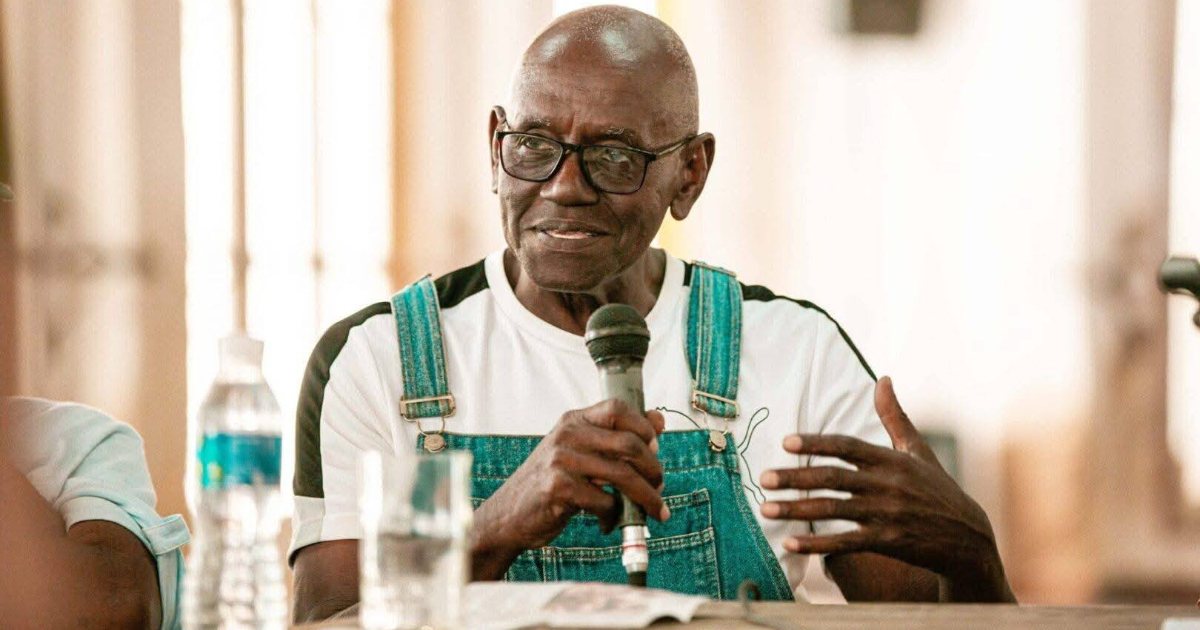
The renowned Cuban dancer, choreographer, and teacher Alfredo O’Farrill Pacheco, known in the artistic community as Papá Shangó, passed away on the afternoon of Monday, October 6, in Havana, as confirmed by cultural institutions in the country.
National Dance Award in 2024, O’Farrill dedicated more than three decades of his life to the dance art, becoming an indispensable figure in the National Folkloric Ensemble of Cuba and in the national culture. His work as a principal dancer, educator, and promoter of African roots in Cuban dance has influenced generations of artists both within and beyond the Island.
The news of his passing prompted a wave of condolences from the institutional and artistic communities. The University of the Arts (ISA), where he founded the Faculty of Dance and directed the Folkloric Dance program for a decade, expressed sorrow over his loss and emphasized that "his legacy in Cuban folkloric dance is eternal."
The National Theater of Cuba, for its part, remembered him as "first dancer, teacher, and choreographer, an essential figure of the National Folkloric Ensemble," and expressed "its deepest condolences" to family, friends, and colleagues.
Through its social media, the National Folkloric Ensemble of Cuba issued a lengthy message describing him as "a man of integrity, a man of the people and of culture," and emphasized that his legacy "will endure in every drum, in every movement that evokes the strength and spirituality of Cuban folklore." They also noted, "For more than three decades, O'Farrill dedicated his life to the art of dance, becoming a reference point in Cuban folkloric dance, exemplifying rigor, talent, and love for the traditions of our identity."
O’Farrill began his career after participating in the Literacy Campaign. He trained with the amateur group El Nuevo Teatro de Danza and later joined the National Folkloric Ensemble, where he achieved the status of principal dancer and remained for thirty years. He shared the stage with figures such as Johannes García, Santiago Alfonso, and Silvina Fabars, and trained under the guidance of teachers like Lázaro Ross, Nieves Fresneda, Rogelio Martínez Furé, and Ramiro Guerra.
He was also a teacher in art schools and the founder of the Dance Art Faculty at ISA, where he graduated with a Bachelor's and Master's degree. He also held advisory positions and was a member of the International Dance Council (CID), UNEAC, and the National Council of the Performing Arts.
Among the numerous awards he received are the Literacy Medal (1981), the National Culture Distinction (1989), the Raúl Gómez García Medal (1989), the Diploma for Pedagogical Merit (2014), as well as international distinctions awarded by Ghana, Italy, and Zaire.
In 2024, the jury of the National Dance Award unanimously decided to acknowledge his career for his exemplary contributions as an artist and educator, after evaluating eight nominees from across the country.
Frequently Asked Questions about Alfredo O’Farrill and his legacy in Cuban dance
Who was Alfredo O'Farrill and what was his contribution to Cuban dance?
Alfredo O’Farrill was a notable Cuban dancer, choreographer, and teacher, known as Papá Shangó, and an essential figure in folk dance in Cuba. He dedicated more than thirty years of his life to the art of dance, becoming a key reference for the National Folkloric Ensemble of Cuba. His main contribution was the promotion of African roots in Cuban dance, influencing generations of artists both on and off the island.
What recognitions did Alfredo O’Farrill receive throughout his career?
Throughout his career, Alfredo O’Farrill received numerous accolades, including the National Dance Award in 2024, the Literacy Medal (1981), the Distinction for National Culture (1989), and several international awards from countries such as Ghana, Italy, and Zaire. These honors reflect his dedication and contribution to Cuban art and culture.
What was Alfredo O'Farrill's impact on dance education in Cuba?
Alfredo O’Farrill had a significant impact on dance education in Cuba, particularly through his role as a teacher and founder of the Dance Arts Faculty at the University of Arts (ISA). He led the Folkloric Dance program for a decade, training numerous generations of dancers and choreographers who continue his legacy in Cuban folkloric dance.
What was the reaction of the artistic community to the death of Alfredo O’Farrill?
The death of Alfredo O’Farrill generated an outpouring of condolences from the institutional and artistic world in Cuba. Cultural institutions such as the University of the Arts and the National Theater of Cuba expressed their sorrow and highlighted his enduring legacy in Cuban folkloric dance. The National Folkloric Ensemble of Cuba also issued a message emphasizing his integrity and his love for the traditions of Cuban identity.
Filed under: