
Related videos:
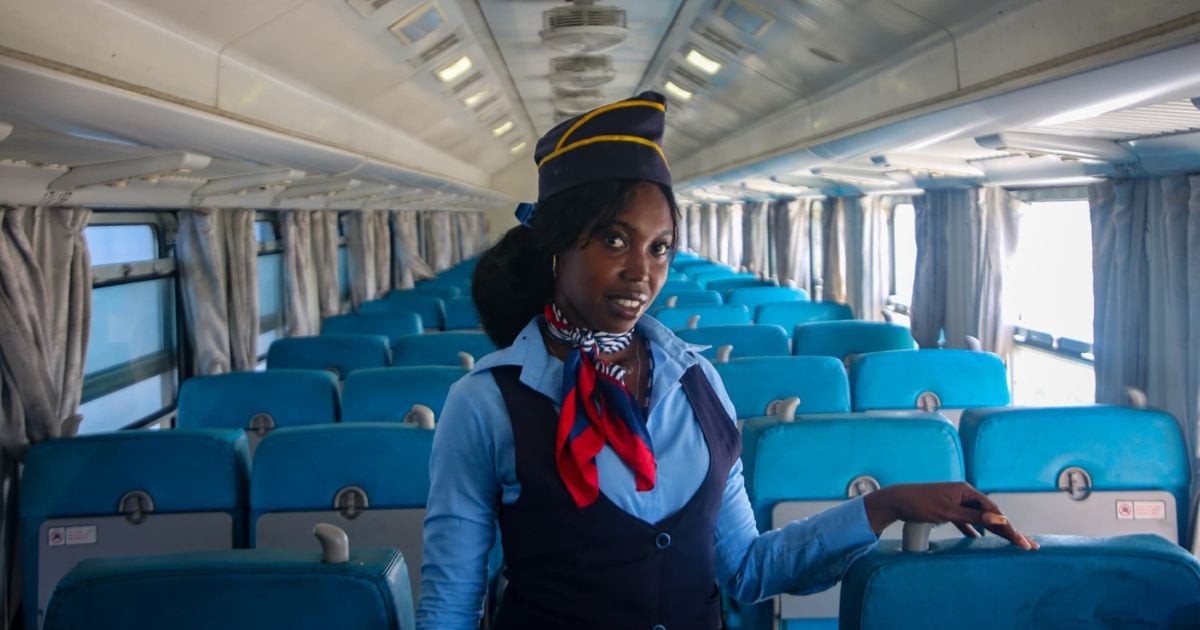
At 26 years old, and amidst a country where everyone wants to emigrate, Carmen Miriam Jiménez Echavarría has made the railway her life, having set aside her passion for dance to become a train attendant on long-distance trains in Cuba.
His story was shared on Facebook by the Minister of Transport of Cuba, Eduardo Rodríguez Dávila, who highlighted his dedication and professionalism as part of a tribute to workers in the railway sector.
Born in Santiago de Cuba, Carmen grew up beside the train tracks and, from a young age, felt fascinated by the train cars that passed through her neighborhood. When she was 21, she decided to train as a conductor in an intensive three-month course.
“They taught us everything: geography, passenger care, conflict management…” he recounted.
Although her family already had a railway tradition—her uncle was a locomotive engineer—Carmen entered the sector with her own motivations.
She is currently the crew chief on long-distance trains, such as the Santiago-La Habana route, where she leads the team that welcomes and attends to passengers during the journey.
Before the railroad, Carmen was a dancer; she practiced folk dance and other artistic expressions, but the call of the train was stronger.
"I feel unwell when I'm not working. This is already a part of me," she confessed.
His daily routine includes long hours, dealing with stressed travelers, and addressing unexpected situations on board, in a mode of transport known for delays and setbacks.
Still, he claims that the most difficult part is not the hours but the diversity of people: “You have to know how to connect with each one. Patience and respect are essential.”
Carmen assures that she has found her place among rails, stations, and passengers: “My dream is to stay here. This is my life,” the young woman noted, a seemingly atypical case in a country where all the newcomers try to escape.
In a country where public transportation faces one of its worst crises, figures emerge that embody a profoundly human work ethic and vocation for service.
Norberto, a taxi driver from Viñales, has devoted more than half a century to driving on Cuban roads, turning his car into a refuge and guide for lost travelers and residents with no options.
At over 70 years old, their commitment is not driven by salary or recognition, but by the belief that helping is also a form of everyday resistance.
Ricardo Palmero, in Havana has been transporting people between neighborhoods, hospitals, and terminals for almost 40 years, even though fuel is scarce and prices are a daily gamble.
He is driven—by his own words—by the need for “someone to do the work that the State has stopped doing.” His taxi is not just a means of transportation, but a space for listening, emotional support, and even tangible solidarity when a passenger cannot pay.
Frequently asked questions about the history of Carmen and the railroad in Cuba
Who is Carmen Miriam Jiménez Echavarría and what has been her career in the railway sector in Cuba?
Carmen Miriam Jiménez Echavarría is a young woman from Santiago who has made the railway her professional life. At the age of 26, she left her passion for dance to become a train hostess on long-distance trains in Cuba. Currently, she is the crew chief on long-distance trains, such as the Santiago-Havana route, where she leads the team that serves passengers during the journeys. Her story has been highlighted by the Minister of Transport of Cuba, who emphasized her dedication and professionalism.
What is the current situation of the railway system in Cuba?
The railway system in Cuba is undergoing a phase of significant deterioration, characterized by frequent delays, lack of maintenance, and poor hygiene conditions in the trains. Despite efforts to improve the service, such as the rehabilitation of tracks and the renewal of coaches, shortages of resources and technical issues have hindered substantial progress. Furthermore, recovery plans, such as the restoration of routes to cultural and recreational destinations, have been slow and ineffective.
What has Carmen's experience been like working as a train attendant in Cuba?
For Carmen, working on the railway is more than a job; it's a passion. She claims that the toughest part isn't the long hours, but the variety of people she deals with daily. Despite the challenges, such as handling stressed passengers and solving unexpected issues on board, Carmen has found her place among tracks, stations, and travelers. Her dream is to continue working in the railway, proving that personal commitment can overcome the adversities of the environment.
What challenges do railway workers face in Cuba?
Railway workers in Cuba face multiple challenges, including service delays, difficult working conditions, and the need to manage conflicts with passengers. Long hours and a lack of adequate resources further complicate their work. Despite these challenges, workers like Carmen demonstrate remarkable dedication, maintaining a respectful and patient attitude towards users, which is essential for the daily operation of the railway system.
Filed under: