
Related videos:
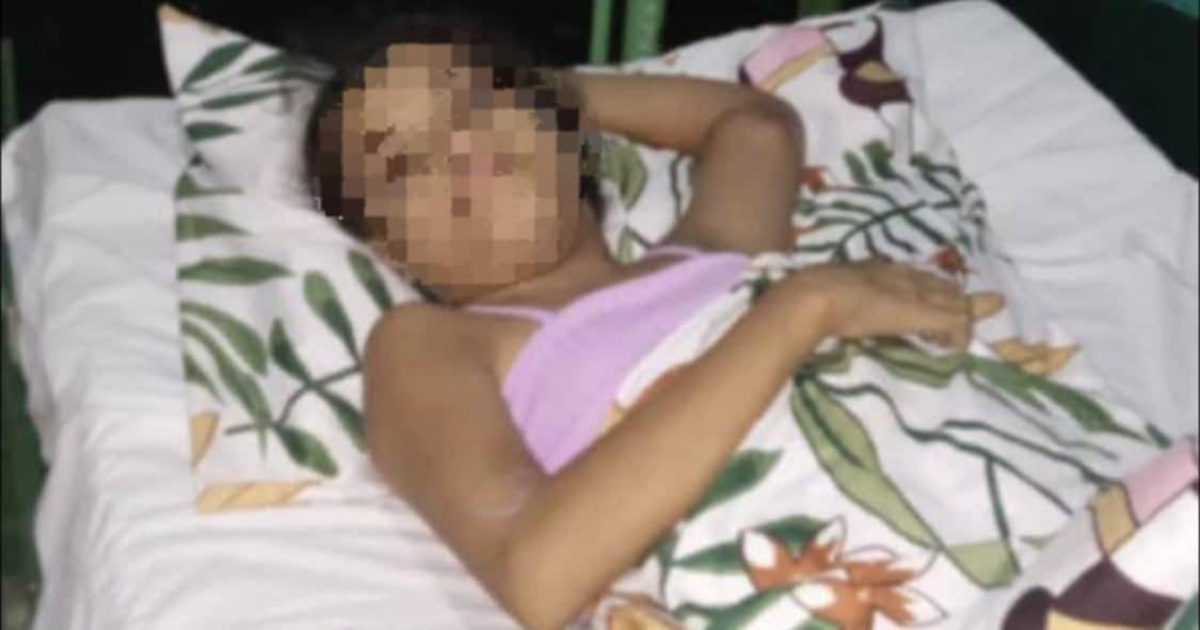
The tragedy struck a Cuban family on Thursday: Anabel Rodríguez Martínez, a teenage girl of just 15 years old, passed away in Santiago de Cuba after a long battle with chronic kidney failure amidst the current health crisis.
The news was confirmed on social media by family members, friends, and activists who had closely followed his case.
"Many mobilized, shared, donated, and believed that it is still possible to change a destiny with a human gesture. Anabel did not lose the battle. She simply grew tired of so much pain," wrote the activist Yasser Sosa Tamayo.
"A life so young should not be extinguished like this. In a country where so many things are lacking, the opportunity to continue living should not be one of them, he pointed out."
The "Esperanza Project" of the Joven Club de Computación also expressed sorrow over the departure of the teenager, who was admitted to the hemodialysis ward of the La Ondi Children's Hospital.
"Despite the challenges, Anabel found joy and comfort in the world of technology. She proudly graduated as a microcomputer operator (...) She loved Barbie movies and tablet games," she recalled on Facebook.
The case, which had moved hundreds of people both inside and outside the country, starkly exposes the shortcomings of the Cuban healthcare system.
In September, the desperate calls on the Internet for a 6.5 catheter that would allow the continuation of hemodialysis treatment multiplied after the fistula was lost during surgery.
Several people responded with shipments and donations that went directly to her mother, but the help was not enough to reverse the decline in her health.
Then, after three years undergoing hemodialysis treatments, her situation was critical: she was not urinating and had no vascular access.
His death becomes a painful reflection of the crisis in the healthcare system in Cuba.
Other parents of children in similar situations report that patients with chronic kidney failure are sidelined and do not receive the same level of care as other seriously ill patients.
"The helplessness of knowing it could have been avoided, that they could have received better care. I ask for a bit more attention for these children who suffer just as much as, if not more than, those with cancer," demanded Mirneyis Socarrás, mother of a girl admitted to the same room as Anabel.
Anabel died surrounded by the love of those who, though they did not know her, made her their own. A community that mobilized, donated, prayed, and supported her family amid despair.
However, his passing once again highlights the precariousness of the Cuban healthcare system, adding to the list of other lives cut short amid the structural deficiencies of a system in a country that prides itself on its medical prowess.
Frequently Asked Questions about the Crisis in the Cuban Healthcare System and Its Consequences
What does Anabel's case reflect about the healthcare system in Cuba?
The case of Anabel highlights the serious shortcomings of the Cuban healthcare system, where the lack of basic medical supplies and the inefficiency of the system resulted in the death of a young woman who could not receive the necessary treatment in time. This case serves as another example of how the health crisis in Cuba affects the most vulnerable patients, who often face shortages of essential medications and medical equipment.
Why is the health system crisis in Cuba so critical?
The crisis of the Cuban healthcare system is critical due to a lack of supplies, medications, and trained medical personnel, which has resulted in many people with chronic illnesses not receiving the necessary treatment. Furthermore, the official propaganda that portrays Cuba as a medical powerhouse starkly contrasts with the reality of a system unable to provide basic care to its most vulnerable patients.
How have people mobilized in response to the health crisis in Cuba?
People have mobilized through social media and fundraising campaigns to help those in need, as the Cuban health system cannot guarantee the necessary treatments. Families and activists have turned to national and international solidarity to obtain resources that allow for medical treatments abroad, while access to transplants and other critical procedures remains a utopia for many.
What other patient stories reflect the situation of the Cuban healthcare system?
Stories like those of Ayamey Valdés and Yednay Pupo García reflect the daily struggle of young people with chronic kidney failure who must turn to international aid campaigns to survive. These cases highlight the lack of resources and the despair of patients who rely on treatments that the Cuban healthcare system cannot provide, due to shortages of supplies and inadequate infrastructure.
Filed under: