
Related videos:
In an unprecedented shift within the rigid state economic model, the Cuban regime will begin to lease hotels to the international chains that currently manage them, granting them an autonomy that had previously been prohibited by the Government.
The measure aims to attract foreign currency and revive tourism—at a time when the island seems incapable of sustaining these establishments—one of the most depressed sectors of the national economy.
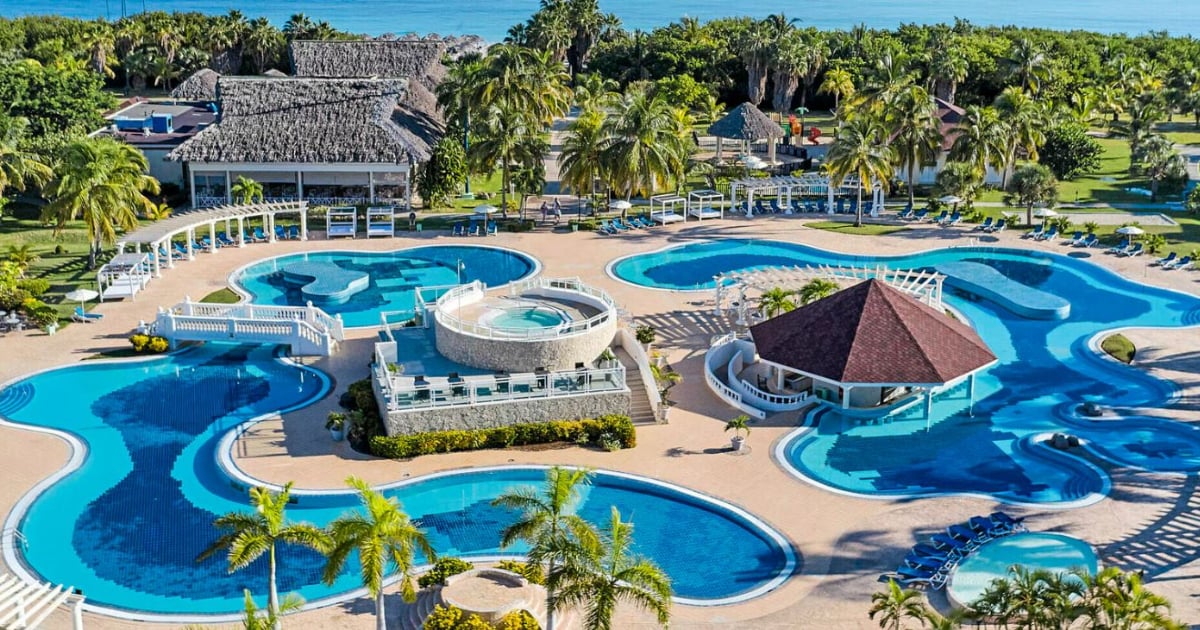
According to sources linked to the negotiations confirmed to EFE, the first experience will be implemented at the Iberostar Origin Laguna Azul hotel in Varadero, whose lease agreement with the Spanish chain Iberostar will take effect on January 1, 2026.
So far, foreign companies operating in Cuba could only manage state-owned hotels, under a mixed formula where there was a dual management structure: a Cuban manager appointed by the Ministry of Tourism and another from the foreign company.
With the new scheme, companies will be able to directly manage the facilities through lease contracts, a model unprecedented in over six decades of centralized control.
The Prime Minister Manuel Marrero Cruz had already mentioned at the FITCuba 2025 tourism fair that the government was considering the option of leasing state properties as a measure "to stimulate the sector."
Conversations with Iberostar would be the first to materialize, followed by negotiations with Chinese chains interested in the Hotel Copacabana in Havana, according to the official newspaper Granma.
For analysts, the new model has a dual objective. On one hand, to increase foreign currency revenue amidst a profound economic crisis and shortages of basic food and fuel imports.
On the other hand, improving the quality of hotel service by granting more management freedom to foreign chains, which until now have been subjected to the rigid controls of the military conglomerate GAESA, that dominates the country's tourism industry.
"The measure aims to allow chains to establish their own investment, quality, and staffing strategies without needing approval from state-owned enterprises," said a source from the tourism sector.
Until now, foreign companies were required to pay the salaries of their Cuban staff in foreign currency to the State, which then converted and transferred the funds to the employees in Cuban pesos, keeping a substantial percentage for itself.
Now, lease contracts will allow companies to directly set salaries and working conditions, one of the main demands of hotel sector staff.
Tourism in Cuba is experiencing one of its worst moments since the beginning of the century. So far in 2025, international arrivals have declined compared to the previous year, and it is estimated that they will close around 1.8 million visitors, down from 2.2 million in 2024 and the 4.7 million recorded in 2018, the island's historical record.
The government hopes to reverse this trend with the new leasing formulas and a greater foreign participation in the management of tourism infrastructure. Tourism is one of the three main sources of foreign exchange for the country, along with professional services abroad and family remittances.
Filed under: