
Related videos:
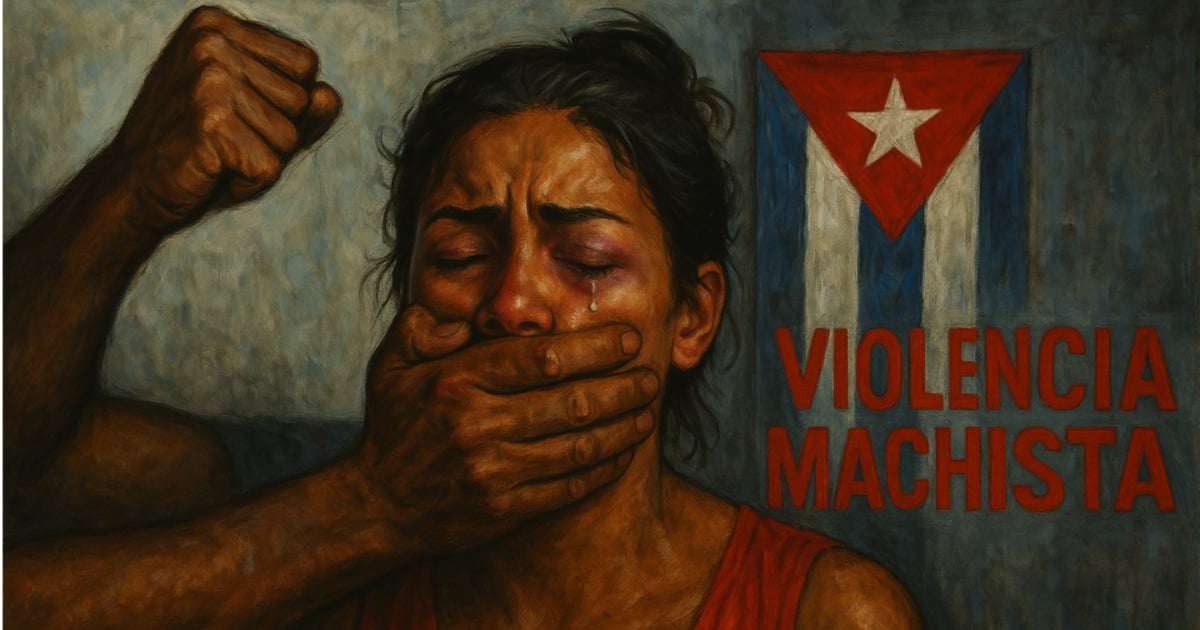
Independent feminist platforms have requested support to clarify another crime of gender-based violence, reported in the municipality of Vertientes, Camagüey, at the end of September.
The Alas Tensas Gender Observatory (OGAT) and Yo Sí Te Creo en Cuba (YSTCC) are seeking information about Maidelyn Reyes, 49 years old, who was killed by her ex-partner on September 24. No further details about the case have emerged.
If confirmed as a feminicide, the number of documented cases of this nature would rise to 36 during 2025, according to the underreporting records maintained by both organizations.
OGAT and YSTCC have published contact information for the public to reach out if they have knowledge of this or any other case of extreme gender violence.
In March of last year, also in Vertientes, a woman died after being attacked by her partner, an incident confirmed by CiberCuba through family members of the victim. María de los Ángeles Boyce Pereira, 56 years old and with an intellectual disability, lost her life as a result of a beating and a stab wound inflicted by her husband at their home in the Piñerúa neighborhood.
At the beginning of this month, the platforms confirmed two femicides in the provinces of La Habana and Granma, which raised the total to 35 gender-based crimes in the country.
They also confirmed 12 attempts, against nine women, one transgender woman, and two girls. These incidents occurred in municipalities of the provinces of Havana (not specified which one), Mayabeque (Güines municipality), Matanzas (Matanzas and Cárdenas), Villa Clara (Remedios), Ciego de Ávila (Ciego de Ávila), Camagüey (Camagüey), Granma (Guisa), Santiago de Cuba (Santiago de Cuba), and Holguín (Holguín). Meanwhile, one case is under investigation in Guantánamo and another in Villa Clara.
The numbers highlight the serious violence crisis in Cuban society and the lack of effective protection protocols for women.
Since 2019 - the year YSTCC and OGAT began the underreporting of femicides in Cuba - until October 1, 2025, they have documented 300 cases of extreme gender violence, with data collected through public reports, family testimonies, confirmations from relatives of the victims, and monitoring of social media. These figures only represent an undercount of the actual events of violence against women that persist in the country, as the government does not publish updated official statistics on these incidents.
Both groups have emphasized the urgency for the State to implement effective public policies for the prevention, care, and rehabilitation of victims, to carry out awareness campaigns, and to legally recognize femicide as a criminal offense.
Organizations have also advocated for the creation of safe shelters for women in risky situations, the training of police, the judicial system, and healthcare personnel in providing care for victims, and the reeducation of repeat male offenders.
Filed under: