
Related videos:
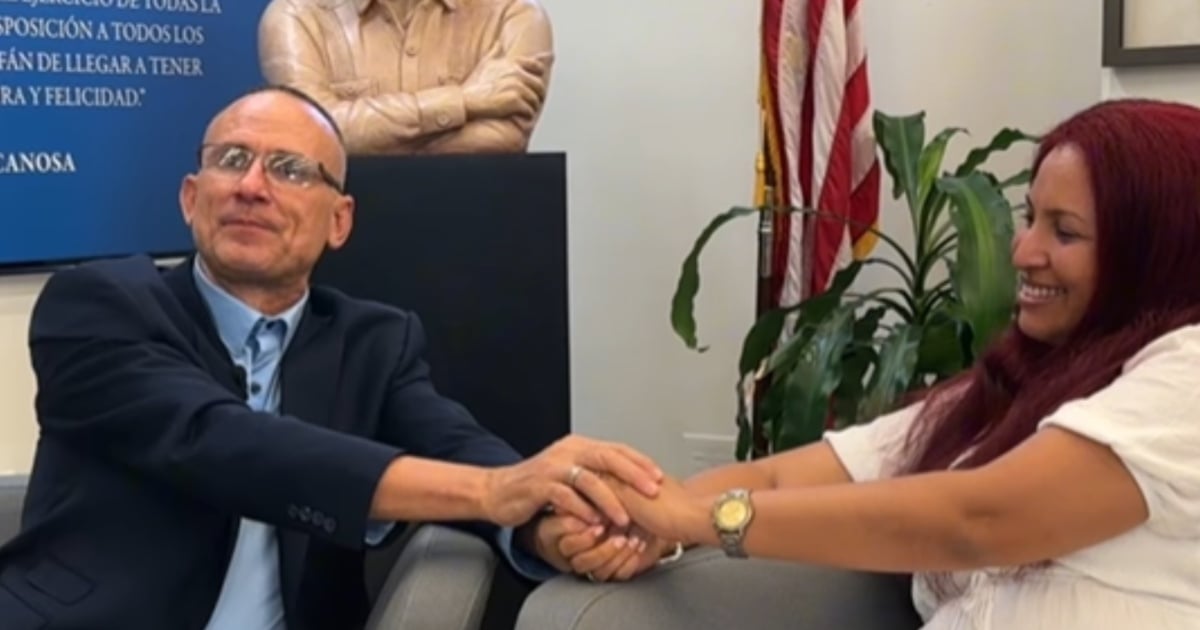
Doctor Nelva Ismaray Ortega and opposition leader José Daniel Ferrer recounted to journalist Juan Manuel Cao how their relationship began amid political persecution, hunger strikes, and community work, and how it evolved from clinical consultations in Altamira (Santiago de Cuba) to exile, where they now express their gratitude for the support received and demand freedom for political prisoners.
According to what was reported in an interview for the YouTube channel of Cao, Nelva was a family doctor in the area where Ferrer lived; she arrived with prejudices instilled by State Security, but direct contact with the opposition and humanitarian work changed her perspective.
Both describe surveillance, citations, and “infiltration” maneuvers to break the relationship; she claims that she ultimately resigned from public health due to the harassment.
Now in the United States, they report having received messages of solidarity and celebrate that their son Daniel José lives "in a country with freedoms."
How they met
Nelva, newly arrived in the Altamira area as a comprehensive general physician, was attending the clinic assigned to Ferrer, who was then out of Cuba, as she told Cao.
He says he arrived with the usual "indoctrination" and official warnings against the opposition, but that his interactions with people and social work convinced him that those versions were false.
Both remember intense debates about recent history and the figure of Fidel Castro. Over time, they assert, their ethical alignment and work with vulnerable families brought them together.
To avoid reprisals, they maintained the connection discreetly, until —as reported— State Security decided to “break them” and prohibit Nelva's presence at work meetings.
According to the testimony, the authorities attempted to co-opt Nelva, forbidding her from participating in meetings and warning her “not to get emotionally involved” with Ferrer.
They assert that, due to the ongoing relationship, the "total war" against her resulted in her departure from public health.
Once outside the system, it is said that they organized a community response: if a patient needed transportation, they used a Moskvich car as an ambulance; if the medication was unavailable, they purchased it from pharmacies in foreign currency in front of the patient to justify the expense. They claim this practice triggered hostility from the authorities.
In hunger strike episodes linked to Ferrer and activists, Nelva claims she acted as a doctor out of professional responsibility.
They report that there were official attempts to manipulate their role and to break their relationship with Ferrer through administrative pressures.
From Siege to Exile
Already in the United States, both describe the excitement of receiving spontaneous support in the street and the relief of watching their child grow up with rights.
Nevertheless, they maintain the focus on political prisoners and on rebuilding support networks for those who remained on the island.
The couple states that their story is both personal and political: an emotional commitment that was forged by caring for the sick, dismantling prejudices, and resisting pressures.
In exile, they say they will continue to bear witness and mobilize solidarity for those who cannot tell their own story.
Filed under: