
Related videos:
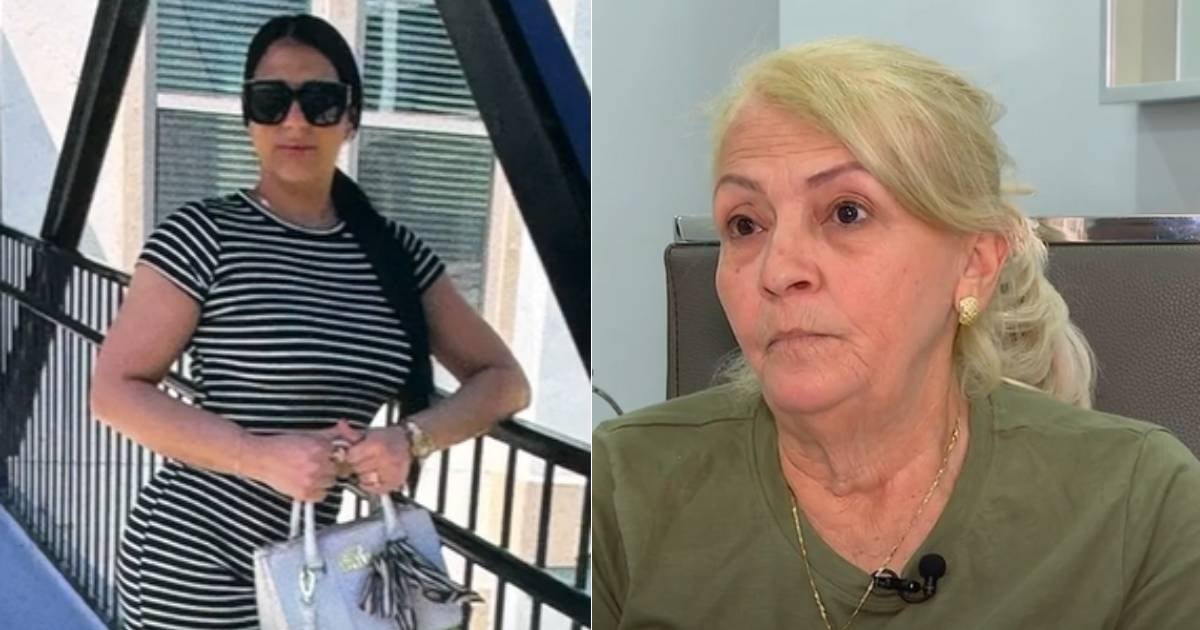
The family of Katia Pérez Baute, a 38-year-old Cuban detained by the Immigration and Customs Enforcement (ICE) in Dallas, Texas, is experiencing moments of anguish.
The woman, who arrived in the United States in 2022 and has been suffering from the effects of a malignant tumor since childhood, has not received medical attention or medication within the detention center, according to her family in a report from Univision Noticias.
“We don’t know what is happening inside there, because she has not yet been seen by a doctor, nor is she on any medication or anything, and we are really very worried,” said Maira Pérez, aunt of the detainee.
Katia has been suffering since the age of three from the consequences of a Wilms tumor, a childhood kidney cancer that forced her to undergo multiple surgeries and left her with only half of a functioning kidney. Since then, she has required strict diets and constant medications such as Tramadol and Gabapentin to relieve pain and protect her nervous system.
His family explains that in Cuba it was impossible to maintain the treatment.
“She didn’t have a diet that she could follow, nor the medications she needs to manage the kidney crises she experiences. She did everything possible and made every effort to get here, for her health,” the aunt recounted.
Katia's cousin, Jessica Mantecón, added that the woman poses no danger to the community and that her life in the United States has been exemplary:
"Since he/she arrived, he/she has been working; he/she has never had any problems in this country."
Katia's husband, as confirmed by Univision, does not feel emotionally ready to speak, while his family insists that his detention puts his life at risk.
"It would be signing a death sentence."
The lawyer Lissete Tocado, who represents the migrant, announced that she will request the release of Katia under humanitarian parole, citing the seriousness of her medical condition. “This is a case where humanity must prevail,” she stated.
In the meantime, their family calls for solidarity and sensitivity.
"Let them help her, let them put their hand on their heart," the aunt pleaded. "Please give her a second chance; she is a good girl. In Cuba, there are no medicines, there is no good food, there is nothing. That would be signing her death sentence," her cousin added.
A case that sparks outrage
The case of Katia has generated a wave of support on social media and among the Cuban community in the United States, where many denounce the inhumanity of the immigration system. The woman, holding an I-220A form, had complied with all her court appointments and was awaiting the resolution of her residency when she was detained.
Her hearing is scheduled for November 4th, but her family fears that she may be deported before her case is reviewed.
Since her arrival in the country three years ago, Katia had managed to rebuild her life: she worked, followed the rules, and had no criminal record. Today, her family only asks that she can receive the medical attention she needs to survive.
This Saturday, as confirmed by the family to Univision, a doctor would visit Katia at the detention center, while efforts continue to persuade U.S. lawmakers to intervene in the case and grant humanitarian release before her health deteriorates further.
Filed under: