
Related videos:
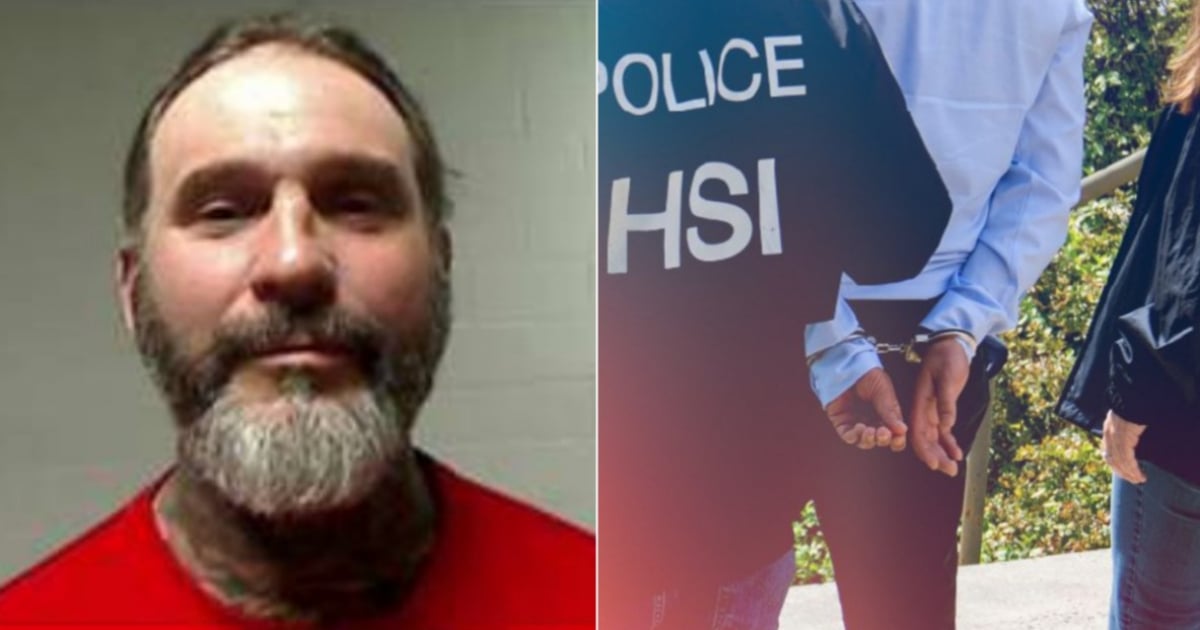
Roberto Mosquera del Peral, a 58-year-old Cuban, deported by the U.S. Immigration and Customs Enforcement (ICE), is living a nightmare in the African kingdom of Eswatini.
The Cuban, who was deported to that remote country along with four other migrants last July, was imprisoned in a maximum-security prison and can only speak with his family during short video calls under the watch of armed guards, a report from AFP specifies.
Ana, a childhood friend of Mosquera contacted for the AFP, said that her friend is living like "a nightmare."
The last time his family saw him, during a video call from prison in the African country last week, he had lost hair and had “lost a lot of weight,” he confirmed.
The Cuban woman says that, despite the accusations from the Trump Administration, her friend is “neither the monster nor the beastly prisoner they claim.”
Mosquera, as confirmed by AFP, was sentenced to nine years in prison for attempted murder in July 1989 after shooting a man in the leg.
Released in 1996 and then imprisoned again in 2009 for offenses such as car theft and assaulting a security officer.
But according to Ana, "when Roberto left, he changed his life."
"He got married, had four beautiful daughters. He spoke out against gang violence and has a family that adores him," she assures.
For Ana, her friend's deportation "is atrocious. It's a death sentence."
"This has affected us all," she said to AFP with a trembling voice.
For his part, the lawyer for the deportees, Tin Thanh Nguyen, who lives in the United States, stated that his clients are in a "legal black hole."
"It's like a modern human trafficking operation, using official channels," she stated.
The case came to public attention last July after ICE announced, in a social media post, the arrest of Mosquera-Del Peral in Miami.
The Cuban received convictions "for homicide, aggravated assault on a police officer with a weapon, and aggravated assault causing bodily injury or disability in Miami-Dade, FL," the publication detailed.
Frequently Asked Questions about the Deportation of Cubans to Eswatini
Why was Roberto Mosquera del Peral deported to Eswatini?
Roberto Mosquera del Peral was deported to Eswatini due to his criminal record in the United States, which includes convictions for homicide and aggravated assault. Although Cuba, his country of origin, is required to accept its deported citizens, the Cuban regime systematically rejects those with serious criminal records, paving the way for deportation to third countries like Eswatini.
What conditions does Roberto Mosquera face in the prison of Eswatini?
Roberto Mosquera is imprisoned in a maximum-security prison in Eswatini. He can only communicate with his family through short video calls monitored by armed guards. Reports indicate that he has no access to legal representation and that his imprisonment lacks legitimate legal basis, according to his lawyer and human rights organizations.
How is the deportation of Cubans to countries like Eswatini justified?
The Donald Trump administration has implemented a program for deportations to third countries for migrants who are not accepted by their country of origin, such as Cuba. Agreements have been signed with African countries to accept deportees, justifying the measure as a matter of national security. However, this practice has been criticized by international human rights organizations due to the lack of legal guarantees and the secrecy surrounding these deportations.
What criticisms has the Trump administration's deportation policy towards Cubans received?
The deportation policy of the Trump administration has been heavily criticized by organizations advocating for migrant rights. The criticisms focus on the lack of consideration for the individual circumstances of those deported, many of whom have rebuilt their lives in the United States, as well as the deportation to countries with no cultural or legal ties to the deportees, where they could face indefinite detention without a fair trial.
Filed under: