
Related videos:
Despite the favorable situation of the reservoirs that supply water to the city of Las Tunas, thanks to the rains left by Hurricane Melissa, the supply service continues to be delayed and inefficient, as acknowledged by the state-owned Aqueduct and Sewer Company.
The engineer David Legrá, director of the Basic Business Unit (UEB) of Water Supply and Sewage in the province, explained to the official media Periodico 26 that the deterioration of the pumping equipment is the main cause of the lack of supply, despite the fact that the reservoirs are practically full.
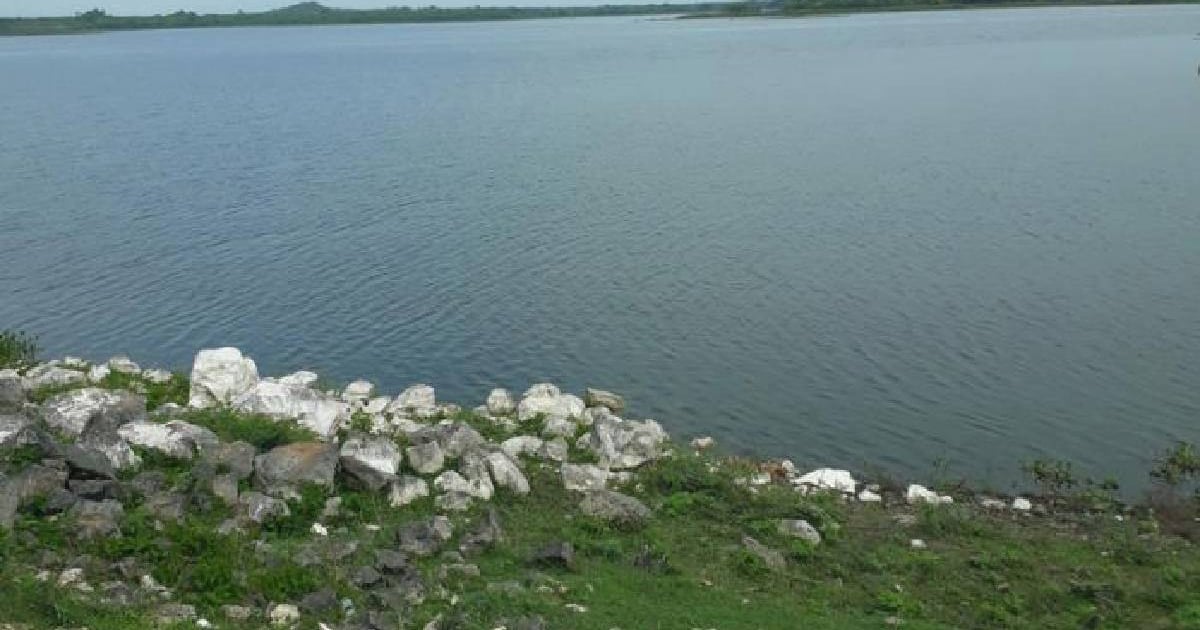
The most critical case is that of the El Rincón Dam, located in the municipality of Majibacoa, which currently holds 96% of its total capacity and is the main water supply source for the city of Las Tunas. A mass evacuation has even been ordered in several areas of the province due to the risk of overflow from the reservoirs and dams.
However, two pumps from the water treatment plant and one from the dam are out of service, which prevents the flow of water to the city.
According to Legrá, the damaged equipment belongs to the batch of pumps that arrived in the country last year and are still under warranty.
Measures are being taken to implement the necessary changes, but for now, more cannot be pumped, the executive assured, without specifying deadlines or concrete alternatives.
The official admitted that the instability of the electricity service has been a determining factor in the breakdowns. The overload of the lines and prolonged outages damage the pumping systems, which has led to a progressive deterioration of the provincial hydraulic infrastructure.
In the La Cana basin, where there is only one operational team available, the situation is even more critical. The lack of spare parts and the shortage of specialized personnel make it impossible to ensure stable service.
As a result, the water distribution in the city of Las Tunas maintains a delivery cycle of every 10 days, without the company having the means or resources to shorten that interval. “There’s no concrete way to make it shorter,” acknowledged Legrá, referring to the technical and energy limitations of the area.
The situation contrasts with the expectations of the residents of Tuners, who believed that the abundant rains from Hurricane Melissa would bring relief to the long-standing supply issue.
However, the relief was only temporary: the reservoirs are full, but homes remain dry.
The situation in Las Tunas reflects the deep crisis of management and maintenance of public services in Cuba. Although the regime insists on blaming the "blockade" and the energy crisis, the underlying causes are years of disinvestment, poor planning, and corruption in the national hydraulic system.
It's a mockery. There's water in the reservoirs, but not in the houses. What's missing is not water, it's management and shame, commented a resident of the La Victoria neighborhood, amid the growing discontent among the population, which is forced to collect rainwater to survive.
Filed under: