
Related videos:
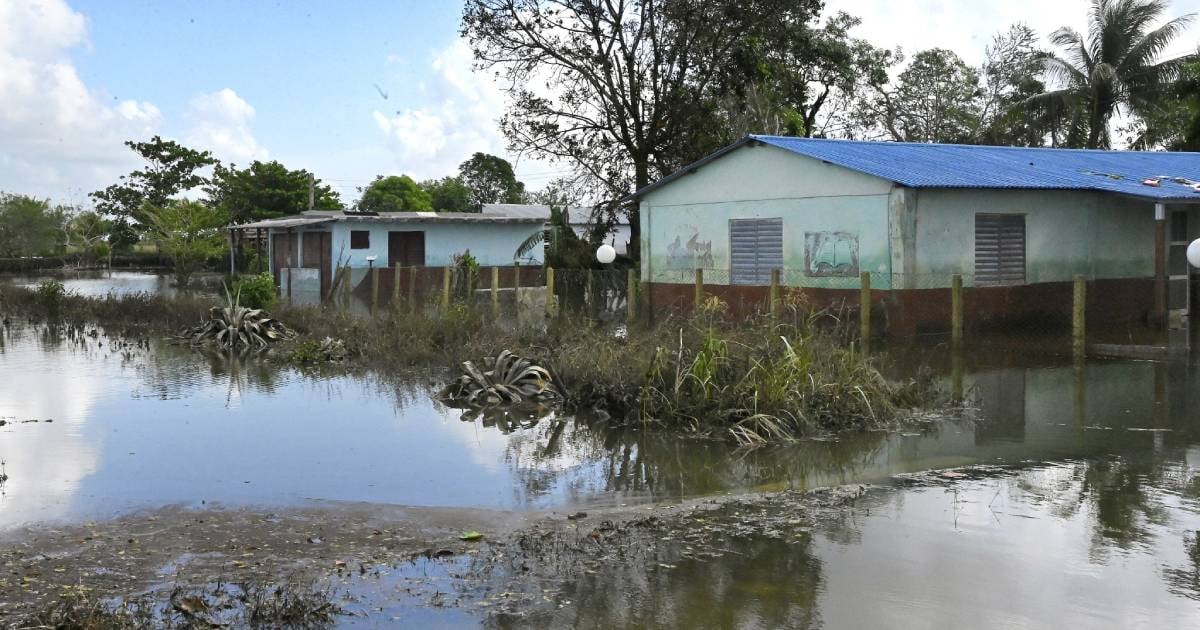
The municipality of Río Cauto, in the province of Granma, remains in a state of emergency due to the severe flooding caused by Hurricane Melissa, which overflowed Cuba's longest river and left thousands of families homeless, without drinking water, and with total losses to their property and crops.
According to reports from the Municipal Defense Council (CDM), more than 7,700 people remain evacuated in protection centers, while others are staying with family members.
Although the water level has started to decrease in several areas, flooding and drainage issues persist, preventing the safe return of residents.
The president of the Municipal Defense Council, Sadia Pérez Nápoles, and the first secretary of the PCC in Granma, Yudelkis Ortiz Barceló, led an emergency meeting to assess the current situation and define immediate recovery measures.
Among the main issues highlighted is the lack of potable water. Authorities admitted that most supply systems remain out of service, which is why distribution points with tank trucks from Las Tunas have been set up, and temporary reservoirs have been established in the most remote communities.
It was also agreed to ensure the delivery of basic food and powdered milk to prioritized groups —children, pregnant women, and the elderly— as well as substitute cereal for those who do not consume it.
It is expected that the controlled distribution of chicken will take place for children under 13 and seniors over 65, the authorities stated.
Additionally, they instructed to carry out a detailed assessment of the damages to homes, crops, and basic services. Among the critical points are several and the Photovoltaic Solar Park, which will be inspected by a national commission of specialists.
Although the Cauto River has returned to its normal level following the rains, the humanitarian situation remains serious. Authorities assure that “the priority is health, supply, and transparency,” but the residents are demanding concrete solutions to recover their destroyed homes and crops.
The crisis has once again highlighted the fragility of the disaster management system in Cuba and the shortage of material resources to address natural emergencies. Many of the evacuees are staying in makeshift shelters without adequate hygiene conditions or sufficient food.
Filed under: