
Related videos:
While thousands of families in eastern Cuba continue to struggle to recover from the devastating impact of the hurricane Melissa, the official newspaper Granma has chosen to blame the exile community and independent media for promoting "hate" and "discontent" in the midst of the disaster.
In an article titled “Haters Without Redemption”, the author Francisco Arias Fernández accuses “cyberterrorists on the payroll of Marco Rubio” and Cubans in Miami of “igniting the networks and the streets with slanders, false rumors, and calls for revolt,” while holding them responsible for calling for “the military intervention of Yankee troops.”
According to the text, emigrated Cubans "promote disobedience and fear" while the country faces the devastation left by the cyclone. The author even claims that these "haters" celebrate the misfortunes of others and seek to "corrode the image of Cuba," ignoring the supposed "heroic acts" of the authorities and the population.
However, the official narrative stands in stark contrast to the testimonies that have emerged from the affected areas and to the wave of solidarity coming from the Cuban exile community, as documented in recent days.
From Miami, Tampa, and Madrid, Cuban emigrants have organized collections of food, medicine, and essential items to send to the hardest-hit provinces—Holguín, Granma, Las Tunas, and Santiago de Cuba.
Various businesspeople and artists have publicly announced donations and humanitarian flights, while others are promoting campaigns on social media to support those affected.
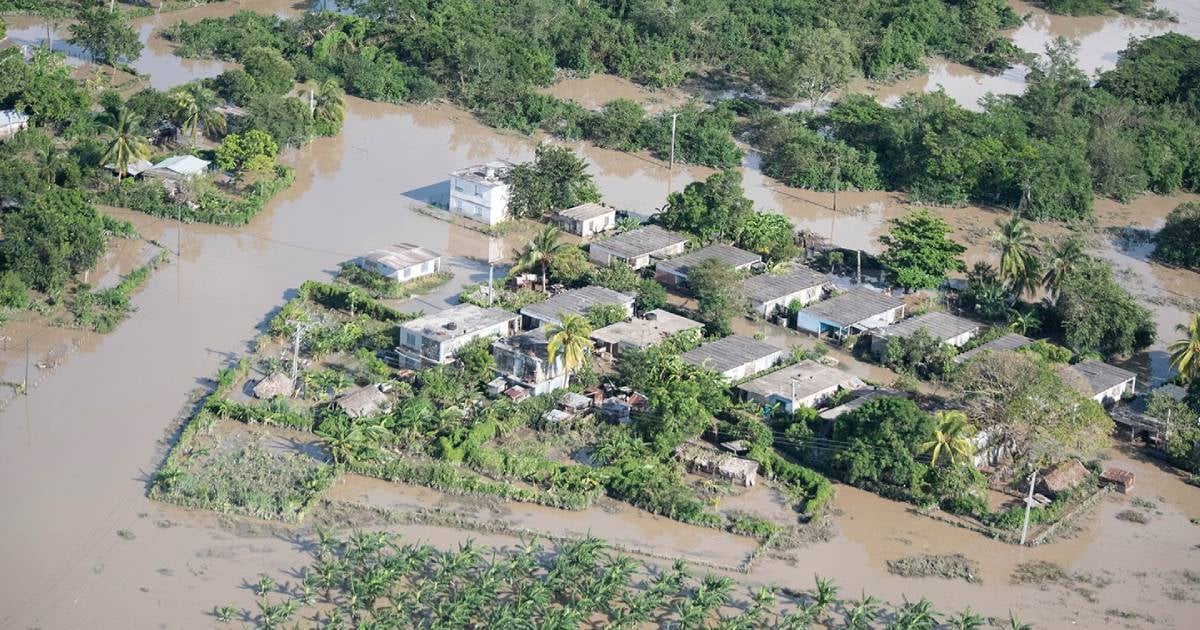
On the island, independent reports reveal a harsher reality: families that lost their homes are sleeping outdoors, entire communities cut off for days, and widespread complaints about the lack of state assistance. “No one has come,” declared a neighbor from Mayarí, as she showed the remnants of her home devastated by the wind.
Unlike the triumphalist narrative of the Communist Party's organ, Cubans, both inside and outside the country, have shown that solidarity comes from empathy, not from slogans. In the midst of the crisis, citizen initiatives and those from the diaspora have become the only real lifelines for hundreds of families still waiting for official assistance.
The strategy of Granma to blame the exile community and minimize the tragedy has sparked criticism even within the island, where many question the official discourse's insistence on looking for external enemies instead of acknowledging the structural errors that worsen each natural disaster.
Meanwhile, the images coming from eastern Cuba—roofs torn away, barefoot children in the mud, grandparents cooking with firewood—remind us of a truth that even party editorials cannot conceal: the Cuban people continue to resist, not thanks to the government, but in spite of it.
Filed under: