
Related videos:
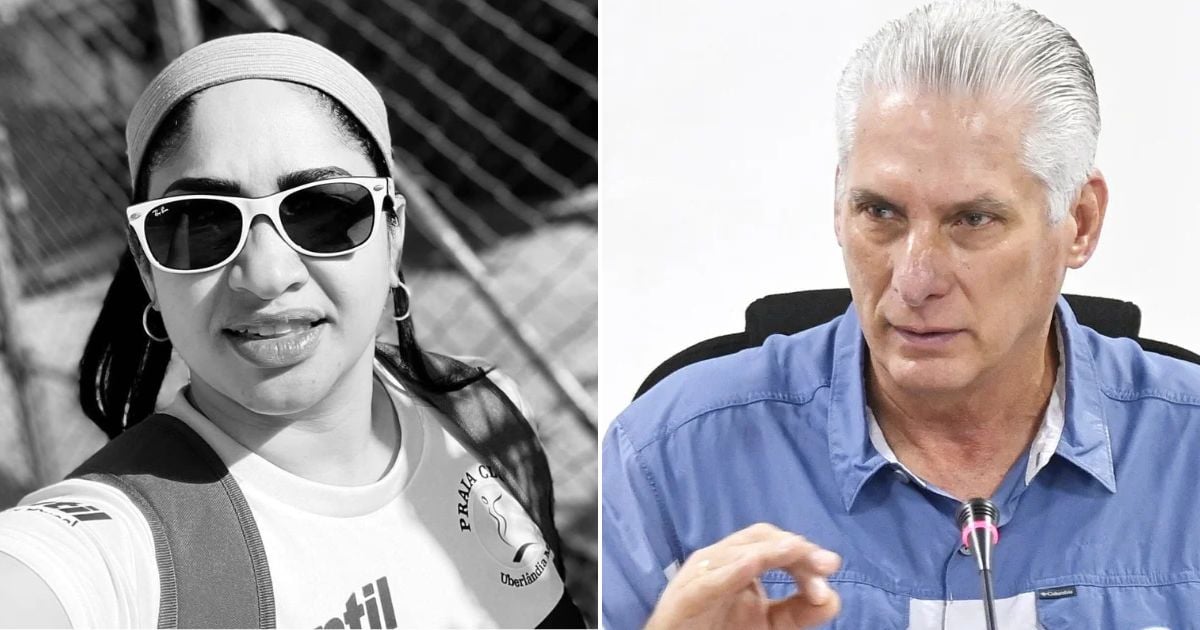
The Cuban art historian and activist Yamilka Lafita Cancio, known as Lara Crofs on social media, directed an open letter to the ruler Miguel Díaz-Canel and the Minister of Public Health, José Ángel Portal Miranda, demanding explanations regarding the sustained increase in cases of chikungunya and other arboviruses that are devastating the Cuban population.
In her message, published on Facebook, Lafita warned that the health situation on the island has reached alarming levels.
“Given the sustained increase in cases of arboviral diseases, particularly chikungunya, which has led to a rise in medical consultations, hospitalizations, prolonged joint sequelae, and even several deaths due to systemic complications, I consider it imperative to express this collective concern,” he wrote.
The activist attributes the worsening of the outbreak to the expansion of the Aedes aegypti mosquito, which is favored by the lack of water, accumulation of garbage, power outages, and shortages of medication.
He also reported the lack of official information regarding the extent of the problem and the absence of effective sanitation measures.
"This phenomenon is affecting the well-being of our community and has taken lives," he warned, citing recent studies published in The Lancet Regional Health – Americas (2025) and The Journal of Infectious Diseases (2024), which confirm the seriousness of the situation in the Caribbean.
According to Lafita, chikungunya represents a significant burden of morbidity, with between 30 and 40 percent of patients developing persistent joint pain beyond six months, which impacts the physical and emotional well-being of the Cuban population, especially in a context of limited resources for rehabilitation.
The letter requests a detailed explanation of the measures that the Government and the Ministry of Public Health are implementing to address the outbreak.
"What are the ongoing strategies for vector control, environmental sanitation, epidemiological surveillance, community education, and the management of chronic cases?" asks the activist, believing that this information "is crucial for fostering public trust and coordinating community efforts."
Lafita noted that Cuba has a tradition of excellence in controlling vector-borne diseases, but regretted that "given the pace at which we are going and taking into account the current situation, we are also going to lose that."
"The situation demands urgent and transparent actions to protect our people and prevent further human loss," the activist emphasized, announcing that the letter will be officially delivered next Wednesday to the relevant authorities, along with a copy and an original version, and invited other Cubans to sign it.
"Anyone who wishes to sign this letter should just leave their first name and two last names," wrote Lafita, emphasizing that the appeal is not driven by political interests but by the citizens' right to demand answers and solutions to a health crisis that is costing lives.
The spread of chikungunya in Cuba has reached alarming levels, exacerbated by the structural crisis of the healthcare system.
The Ministry of Public Health recently acknowledged more than 20,000 infections across the country—though the actual number is likely to be double or triple that figure—while reports of severe cases and deaths continue to rise without a definitive official response.
The official figures have been described as conservative in light of the scale of the outbreak.
The impact is visible across several provinces. Havana is facing a critical situation, with hospitals overwhelmed and difficulties in obtaining diagnosis and treatment.
In Sancti Spíritus, the situation has also worsened, with reports of overwhelmed hospitals and families with multiple infected members in the same household, lacking access to medications and repellents.
The outbreak has also gained strength in educational institutions. Eight deaths at the University of Oriente raised public alarm, following days of high fever, severe joint pain, and a lack of timely medical attention.
The students reported that there had been no prior fumigation and that sanitary brigades were only activated after the deaths.
Meanwhile, the population reports irregularities in vector control campaigns. In several areas, spraying is only done if payment is made, a practice that undermines equal access to preventive measures.
The complaints target workers in the sector who demand money in exchange for performing their duties amid a health emergency.
The testimonies of those who have fallen ill reflect the level of suffering. A Cuban writer described the symptoms as unbearable: prolonged fever, inflammation, loss of appetite, and debilitating joint pain that persists for weeks after exposure.
Filed under: