
Related videos:
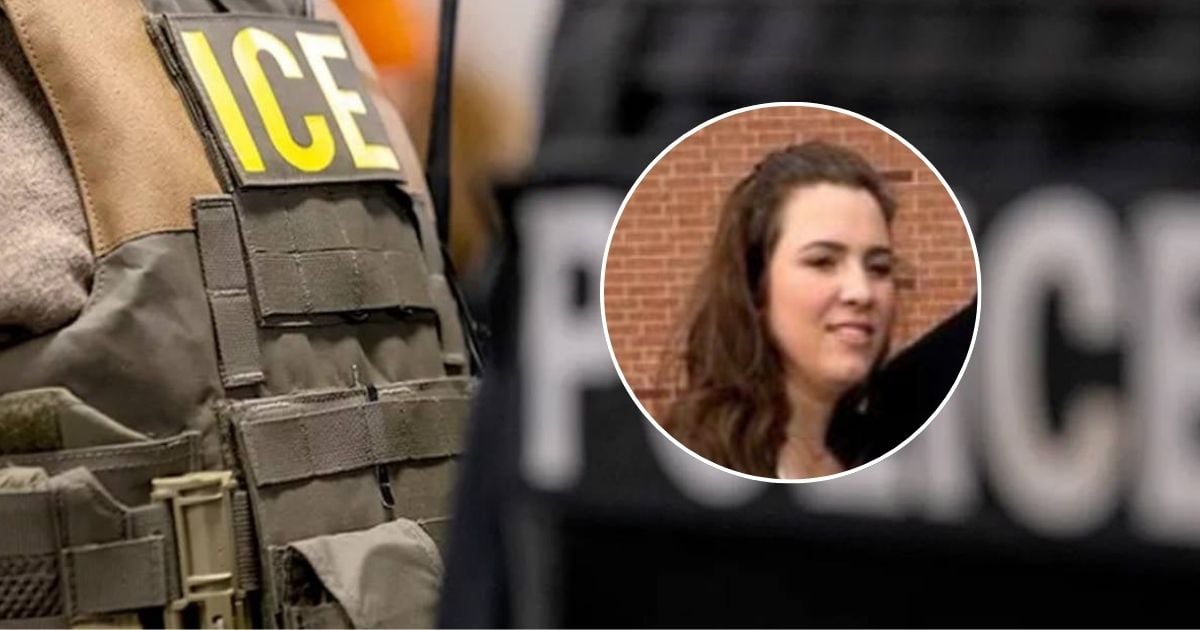
A Cuban mother was arrested during a immigration check appointment in Houston and separated from her husband and daughters, in another case that highlights the situation of migrants with the I-220A form in the United States.
Cuban journalist Javier Díaz raised an alert on his Facebook profile regarding the increasing arrests of Cuban migrants with I-220A status, a release document under supervision that many received upon crossing the border, which does not provide residency or permanent protection against deportation.
According to Díaz, the detainee is named Yessy Mesa, who was arrested "without prior notice" during her appointment with immigration authorities in Houston, Texas, and separated from her family.
Her husband, a legal resident due to a parole, and their daughters aged 4 and 8, also under I-220A, were left without her.
"Without saying anything, they left her detained and took her away as a prisoner," reported the journalist, citing the testimonies of family members.
Mesa's husband stated that his wife was arrested along with 40 other people, mostly Cubans, during the day.
The woman had been living in the United States for three years, with pending political asylum and a work permit valid until 2030.
"She said she had to pick up her daughters from school and was told that someone else should take care of it," her partner recounted, who is now solely responsible for the girls.
Díaz explained that cases like Mesa's reflect the legal void in which thousands of Cubans living with the I-220A form find themselves.
Many of them entered the country before the humanitarian parole programs and still do not have a clear pathway to regularize their status, leaving them at risk of detention and deportation by ICE.
In a previous post, the journalist had reported a similar situation: that of Rolando Padilla Oliva, a Cuban truck driver who was detained on October 31 after four years in the United States, with no criminal record and valid work documentation.
“Until there is a pathway for permanent residency through the Cuban Adjustment Act, everyone is at risk,” Díaz warned.
The communicator added that arrests have multiplied in recent weeks and that no politician has offered a real solution for the affected families.
The case of Yessy Mesa adds to a series of detentions that leave Cuban families in suspense under the I-220A program, many of whom have minor children born or raised in U.S. territory.
"They are good people who have worked, paid taxes, and built their lives here, but today they live in fear," concluded Díaz in his post, calling for solidarity and attention to a situation that, instead of improving, seems to be worsening.
The situation of Cubans with the I-220A form in the United States continues to generate concern and calls for help.
In various states, families and activists have called for the release of detainees who arrived in the country seeking to study, work, and rebuild their lives, but who now face deportation proceedings despite having no criminal records and posing no threat.
Cases like that of a young man who simply aspired to develop professionally, or that of a Cuban married to a Mexican who lives in constant fear of being deported, reflect the uncertainty surrounding thousands of migrants under this immigration status.
The situation is even more critical for those facing medical problems. A Cuban woman with a delicate health condition was detained by ICE despite her diagnosis, which sparked a wave of outrage among the migrant community.
His family reported that the arrest puts his life at risk and that he has not received the necessary medical attention while in custody.
In another similar incident, a desperate family asked for help for a sick woman who was also detained with an I-220A. Relatives claim that her condition has worsened in the detention center and are calling for her humanitarian release.
These testimonies reveal the most painful face of a migration policy that continues to affect those who sought an opportunity for stability and security in the United States.
Filed under: