
Related videos:
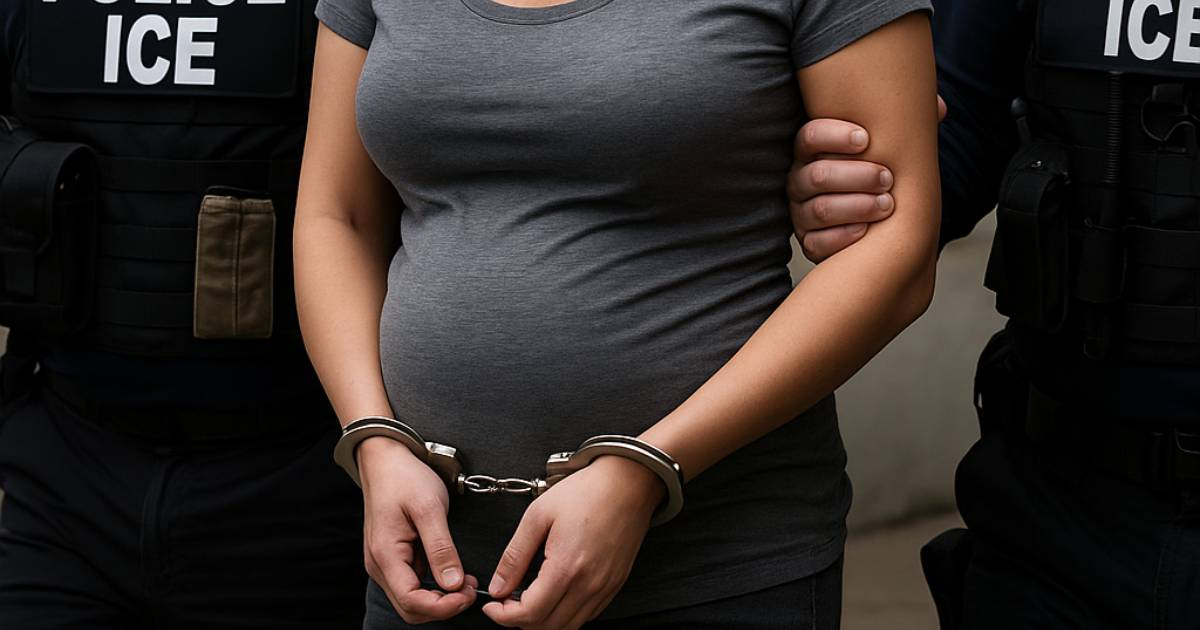
A report from The Independent uncovered shocking new allegations regarding the treatment of pregnant women in detention centers run by Immigration and Customs Enforcement (ICE) in the United States, including cases of medical neglect, hunger, infections, and miscarriages.
The revelations raise special concern within the Cuban migrant community, which in recent years has seen an increase in arrests, including women and young mothers, during raids and operations by ICE.
The hardest story is that of Alicia, an immigrant who had been living in Louisiana for nearly a decade and was arrested after attending a routine appointment with ICE. Although federal regulations prohibit the detention of pregnant women, she was incarcerated at the South Louisiana Processing Center, where she remained for three months.
There, she discovered that she was pregnant and, as she told the lawyers cited by The Independent, she began to experience intense pain, bleeding, and other symptoms that resulted in a miscarriage.
The worst part was that they performed a medical procedure on her without her consent, in English, a language she does not master, and without explaining what they were doing. After several requests for medical assistance were ignored, Alicia developed a vaginal infection that was not treated until she was deported in July.
The letter sent by civil rights organizations to ICE contains testimonies from more than a dozen women, pregnant or postpartum, detained in facilities in Louisiana, Georgia, and Illinois.
They all match similar patterns, which include spoiled food, minimal portions, long weeks without protein, freezing temperatures, overcrowding, and inadequate medical services. Some women claimed they received "one frozen burrito a day"; others reported that the food arrived with mold or insects.
Sarah Decker, attorney for RFK Human Rights, confirmed to The Independent that “there are no circumstances” in which detention is a safe environment for a pregnant woman.
However, according to data cited by the medium itself, during Donald Trump's administration, these detentions have become more frequent. The Department of Homeland Security claims they represent only 0.133% of the total detainees, but social organizations argue that the actual figures are obscured due to a lack of transparency. Since 2025, Congress has stopped requiring detailed reports on pregnant women in custody.
In addition to medical negligence, family separation is another severe blow. Many of these women are mothers of young children and live in constant fear of losing contact with them.
In July, a new directive weakened the obligations of ICE to ensure that detained parents can coordinate the care of their children before being deported, raising concerns among lawyers and advocates.
An alert that also affects the Cuban community
Although the report does not specify nationalities, the complaint resonates among Cuban migrants, a group that has become particularly vulnerable when it comes to detentions.
In recent years, pregnant Cuban mothers or those with small children have been subject to raids, impromptu checks, and reviews in immigration courts, where any mistake, incomplete records, incorrectly notified appointments, or unprocessed address changes can result in detention by ICE.
For Cuban families fleeing economic crisis, violence, or lack of medical care on the island, the prospect of experiencing a pregnancy in a detention center—without language assistance, proper food, or adequate care—represents a risk that many do not even envision when they begin their journey to the U.S.
The organizations that reported the abuses have urged ICE to immediately review all cases of pregnant women and release them from custody. So far, according to The Independent, the agency has not responded.
Meanwhile, testimonies like Alicia's remind us of an uncomfortable reality: being a migrant, a woman, and pregnant in the United States can, under the current system, lead to a sentence of abandonment and silence—a danger that could also affect Cuban women who today seek refuge, family reunification, or a safer future to the north.
Filed under: