
Related videos:
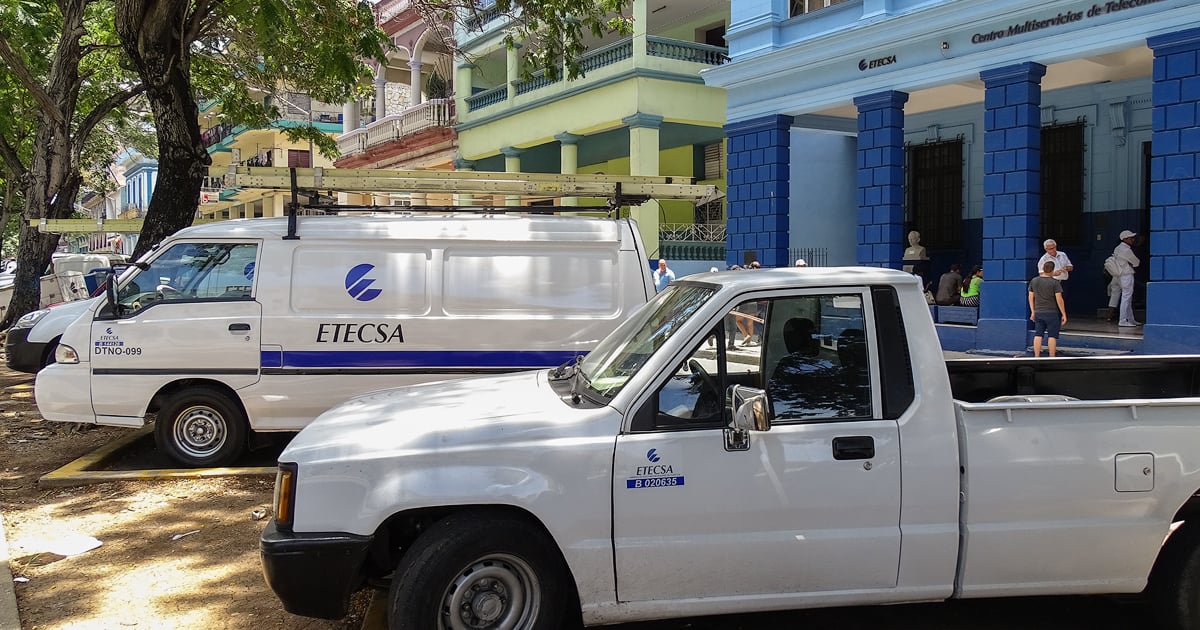
The new collapse of the Cuban Telecommunications Company (ETECSA), following the massive blackout that affected the western part of the country on Wednesday, sparked a wave of comments on social media where Cubans expressed their frustration, anger, and irony regarding the service outage.
On the official profile of ETECSA on Facebook, the messages reflected the accumulated fatigue from the ongoing issues. “The question here is - when has the service been good?” wrote one user, while another joked: “Remember, in 2035 everything will be fine, let’s have faith,” referring to the regime’s promise of achieving “electric independence” by that year.
The reference to 2035 has become a symbol of citizen skepticism. Just days earlier, the Ministry of Energy and Mines presented the so-called National Energy Transition Strategy, which promises to achieve this “electrical independence” in a decade, while Cubans face blackouts of up to 20 hours a day.
Critics also pointed out the lack of results following the price increases in services. Comments included phrases such as: “The never-ending story, it’s the same thing every month,” or “Where is what you were going to buy with the millions collected?”
Other users responded with sarcasm. “Etecsa keeps pace with the electric company; they never fall behind,” wrote one; and another commented: “Thanks to the Toque.” The mocking and irony were echoed throughout the messages, many of which included references to the simultaneous collapse of the national electrical system.
Some tried to propose solutions to the lack of power that leaves large areas of the country cut off. One user pointed out: “Install solar panel kits at the radio bases, and that will surely solve the communication issues we have for 20 hours or more, compared to just 3 hours with electricity.”
In the comment sections of posts such as Cubadebate and CiberCuba Noticias, the tone was similar. “I haven’t seen good news since 2018,” wrote one reader, while another summarized sarcastically: “A penguin catches a cold in Antarctica and the SEN and Etecsa fall in Cuba.”
The discomfort extended beyond the blackout. “No electricity, no phone service (despite the price hike), and no water either. But we have faith,” wrote a user, while another commented: “The national electricity grid is collapsing, Etecsa is collapsing, hunger is collapsing, hospitals are collapsing; in short, the life of Cubans is in collapse.”
The blackout that sparked the criticism left a large part of the western region of the country without service. According to a previous report, the failures affected more than 50% of the radio bases in Havana and Pinar del Río, and also impacted the provinces of Artemisa and Mayabeque. ETECSA then explained that the recovery of the signal would depend on the restoration of the national electrical system.
The reactions, a mix of criticism and humor, reflect the exhaustion of a population that lives with blackouts, lack of connectivity, and increasingly expensive services. Although the state-owned company claims it is working on recovery, Cubans seem to have lost faith that solutions will arrive before the year when, according to official promises, everything will be fine.
Filed under: