
Related videos:
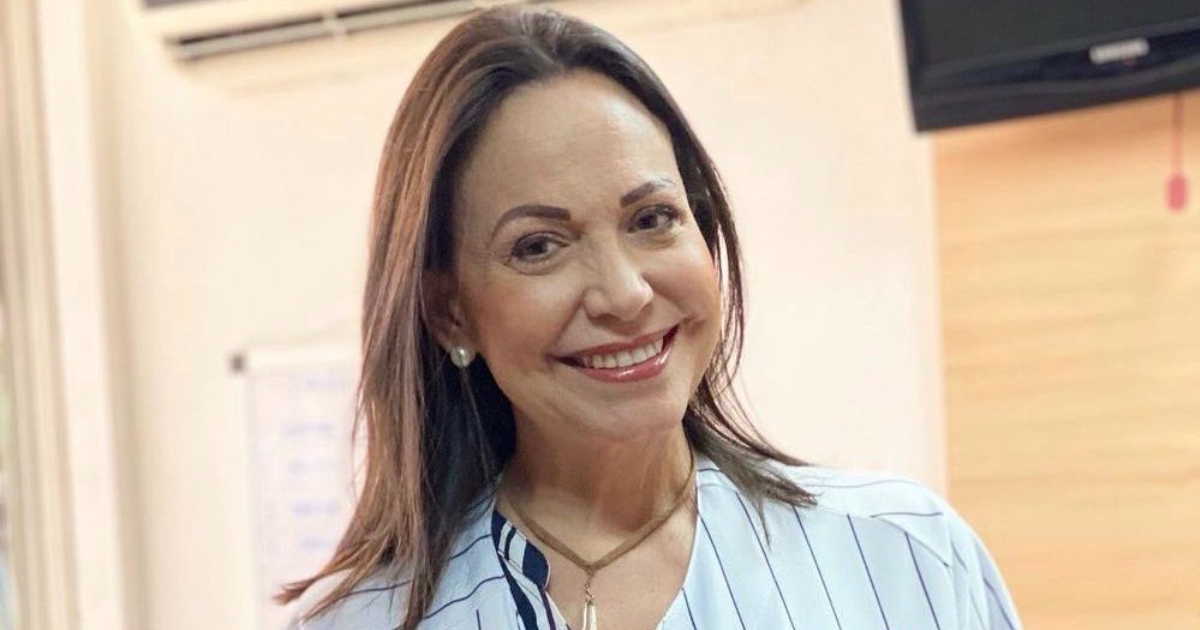
The Venezuelan opposition leader María Corina Machado managed to leave Venezuela on Tuesday in a secret operation supported by the United States, according to diplomatic sources revealed to the newspaper The Wall Street Journal.
The activist reportedly escaped by boat from the western coast of the country to the island of Curacao, from where she was flown on a private jet to Oslo, Norway, the newspaper reported.
The private flight would have departed from Miami and picked up Machado in Curacao, making a technical stop in Bangor (Maine, USA) before continuing to Europe.
His trip coincided with the eve of the Nobel Peace Prize ceremony, where his daughter Ana Corina Sosa Machado received the award on his behalf.
Machado had been in hiding for 16 months, evading an arrest warrant from the regime of Nicolás Maduro.
More than a hundred of his collaborators are imprisoned, and others have had to hide or go into exile to avoid being captured by the intelligence services of chavismo.
The trip was planned in complete secrecy and coordinated with international allies to protect his life and ensure his departure from the country.
Rumors about her whereabouts circulated for days, even fueled by spokespeople from the Chavista regime, who falsely claimed that the leader had left the country weeks earlier.
“Many people have risked their lives so that I could travel to Oslo. I am very grateful to them; this is a testament to the significance this recognition holds for the Venezuelan people,” declared Machado in a phone call with the Nobel Committee.
Machado added that “he would not be able to arrive in time for the ceremony, but he was already on his way to Oslo”.
The Nobel Committee did not reveal details about the time or the exact location from where the call was made.
The Maduro government has not issued official comments regarding Machado's departure, who has had a travel ban for over a decade.
The opposition figure had been the target of a campaign of political persecution and threats, including constant surveillance by Venezuelan intelligence services.
In statements to the Norwegian public broadcaster NRK, the director of the Nobel Institute, Kristian Berg Harpviken, confirmed that the relocation was “more complicated than expected” due to threats against Machado's life.
“He lives under a death threat from the regime, plain and simple. That threat extends beyond the borders of Venezuela,” he stated.
In May, five close collaborators of Machado, who had been sheltered for a year at the Argentine embassy in Caracas, also managed to leave the country in a secret operation backed by the United States.
The details of that operation—much like those of Machado's escape—are kept confidential for security reasons.
The Venezuelan opposition figure has been one of the strongest voices against the Chavista regime, denouncing corruption, repression, and the humanitarian crisis facing Venezuela.
Filed under: