
Related videos:
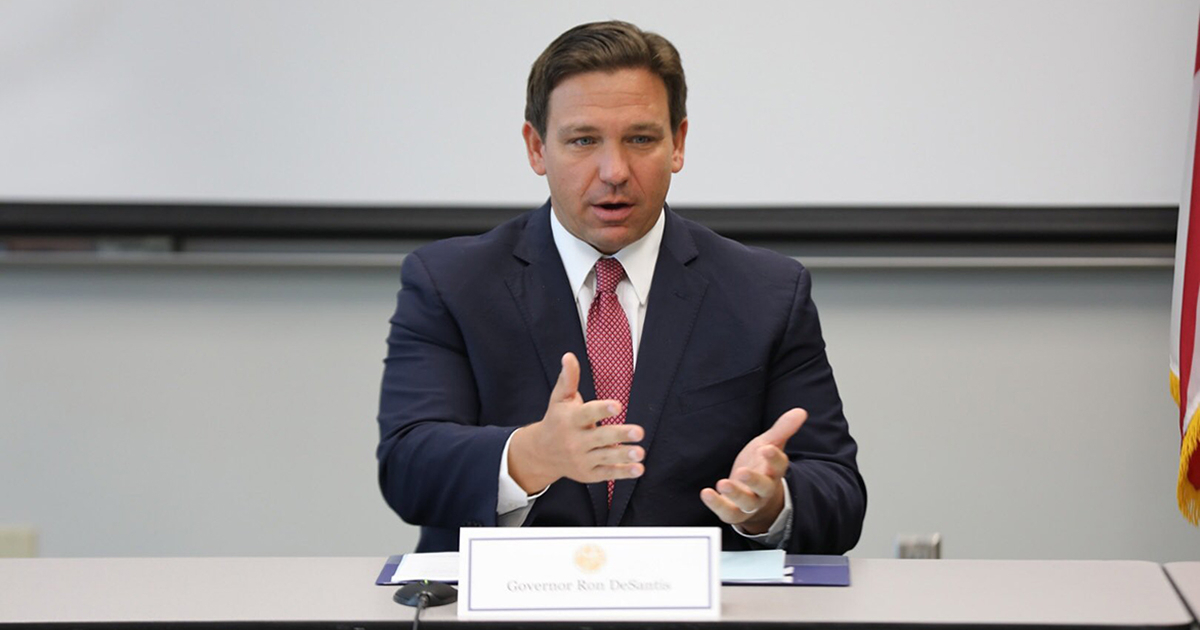
During the last state cabinet meeting held this December in Tallahassee, Governor Ron DeSantis surprised everyone with a proposal that could profoundly transform the road funding model in Florida: eliminating tolls for state residents and shifting the costs to visitors from other states.
"How much longer will we keep the tolls? These tolls have been here as long as I can remember, since I was a child, the tolls on the turnpike," DeSantis reflected before the cabinet.
“Look, visitors could be charged, and they could probably support everything and give our Florida residents a break. I think that would be a very good idea,” he added, as reported by the local press.
The proposal, although still lacking technical details and formal legislative support, aims at a restructuring of the toll system for over 700 miles of highways spread throughout the state.
In Orange County alone, for example, there are more than 150 miles of these types of trails.
A profitable system, but with debt
According to the most recent report from the Florida Turnpike System, approximately $1.3 billion in toll revenue was generated in fiscal year 2024, while maintenance expenses amounted to just $275 million.
However, the system still carries an outstanding bond debt of over 3.2 billion dollars, which is about one third of the total debt limit allowed by law.
DeSantis framed his proposal within a discussion about the state’s accelerated debt program, which uses budget surpluses to pay down obligations.
In this context, it was questioned why a similar logic could not be applied to the road system.
"We are eliminating the debt funded by taxpayers," he explained.
"And I know that other people have some authority on this, but I would love to be able to eliminate the tolls and other fees that people pay," he added.
Previous measures: From suspension to reimbursement
The idea does not arise in a vacuum. During his term, DeSantis has made several decisions aimed at reducing the impact of tolls on local drivers:
Temporary suspension of tolls during major storms and emergencies.
-2023 toll relief program, which provided a 50% refund to drivers who crossed 35 tolls or more in a month.
The program benefited over 1.2 million Floridians, with an estimated total savings of 500 million dollars, which amounts to approximately $400 per person.
The new proposal goes much further: to establish a 100% discount for Florida residents and charge all costs to non-residents.
However, DeSantis did not specify how the lost funds would be compensated or how the new fee model would be technically implemented.
Reactions and challenges
The state bond financing director, Ben Watkins, acknowledged that his office would "analyze that," and pointed out that "the current financial strength is better than ever," although some experts warn that there are still structural vulnerabilities, such as the high cost of insurance and access to housing.
From the Democratic opposition, state representative Fentrice Driskell emphasized that citizens are demanding real economic relief measures, not just flashy proposals.
“We listen to our neighbors, and what matters to them is affordability. They are tired of the headlines, of the cultural wars, of feeling that their government does not care about them or listen to them,” Driskell said.
A context of aggressive tax cuts
DeSantis's proposal regarding tolls aligns with his strategy to reduce the tax burden on residents. In the latest legislative session, the Republicans approved a fiscal package that included:
-Permanent exemption from sales tax for back-to-school.
-New tax exemptions for activities such as hunting, fishing, and purchases related to the Second Amendment.
-Repeal of the state tax on commercial income.
"We really don't have any state-level taxes left to cut. That is to say, we have no income tax; all sales tax exemptions are permanent," the governor explained.
"So, as you know, you don’t have to pay for baby items, groceries, medication, disaster response, or back-to-school vacations," she added.
Although DeSantis did not officially present the elimination of tolls as part of an electoral platform, nor did he provide a specific timeline, the magnitude of the proposal and its potential impact suggest a strategic move in anticipation of future political positioning.
In practical terms, the obstacles to implementing a measure of this kind are numerous: from redesigning billing systems to renegotiating contracts with concessionaires and infrastructure agencies, as well as the need for legislative backing and potential legal challenges.
Filed under: