
Related videos:
The United States government began requiring sponsors of immigrants to reimburse public benefits received by these individuals, in accordance with laws that hold them accountable for the costs associated with the use of taxpayer-funded programs.
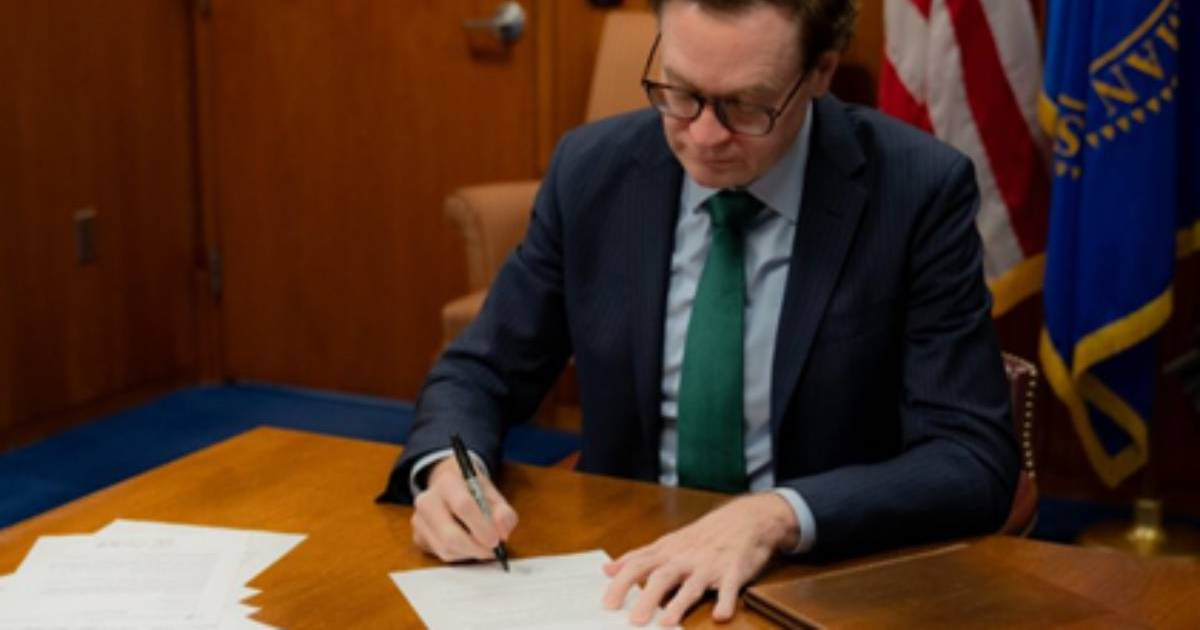
"If you are a sponsor of an immigrant who uses social assistance or other taxpayer-funded benefits, you are responsible for the cost," stated the Deputy Secretary of the Department of Health and Human Services (HHS), Jim O’Neill, on his official X account (formerly Twitter).
O’Neill added that since December 17, they began sending letters to immigrant sponsors, demanding reimbursement for funds spent on public assistance.
“The collection letters have started to arrive,” confirmed the official.
The measure affects those who signed the sponsorship form (affidavit of support), a legal commitment through which the sponsor ensures that the immigrant will not rely on public assistance.
If the beneficiary receives subsidies or medical assistance funded by public funds, the sponsor must return that money to the federal or state government.
Analysts believe that this policy could discourage many individuals, particularly within the Latino and Cuban communities, from sponsoring family members or friends who are seeking to immigrate legally to the United States. For some immigrant advocates, this decision represents a new hurdle that complicates the immigration process.
The Department of Health and Human Services did not specify how many letters have been sent or the total amount it aims to recover. However, the action marks a shift towards a stricter enforcement of immigration and economic sponsorship laws, which have been in place for decades but have rarely been applied rigorously.
Lawyers and immigration experts reminded that the implementation of this measure could vary depending on the legal status of the beneficiaries. In the case of Cubans and Haitians who entered the United States under humanitarian parole, there are legal provisions that protect them in order to receive public assistance.
These include the Refugee Education Assistance Act (1980) and the Personal Responsibility and Work Opportunity Reconciliation Act (1996), which recognize both groups as eligible for food, health, and job training programs.
Additionally, when the humanitarian parole program was launched in January 2023, the Office of Refugee Resettlement (ORR) of the Department of Health and Human Services clarified that Cubans and Haitians could access benefits such as SNAP (food stamps) and temporary medical coverage.
For that reason, some legal experts believe that any attempt to seek refunds from sponsors of beneficiaries of those nationalities could be legally questionable and subject to litigation, as occurred in similar cases in the 1980s.
Filed under: