
Related videos:
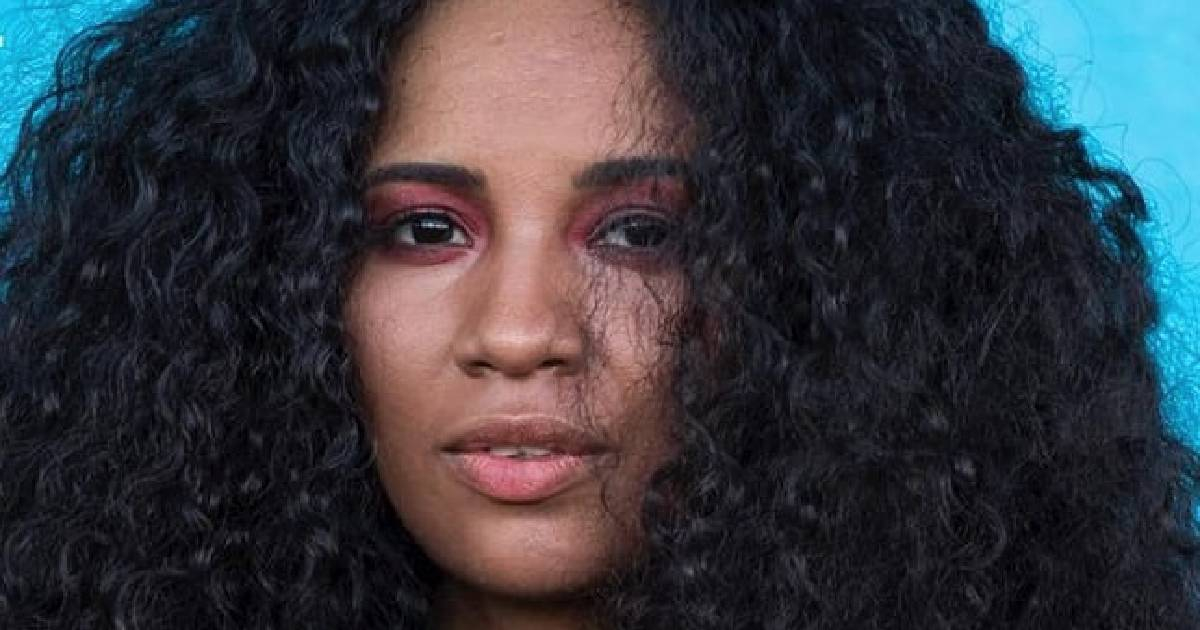
The Cuban singer and producer Eme Alfonso responded this weekend to the criticisms that arose following a report of racial discrimination at the Fábrica de Arte Cubano (FAC), an institution run by the musician X Alfonso.
In a post on social media, the artist stated that her family “is not racist” and urged not to destroy the cultural spaces that still exist on the island.
It hurts me so much to read negative comments about my family, calling us racists in that way. Without even knowing the history of my parents, my brother, and even my own, wrote Alfonso, who recalled that his family has worked for years to promote Afrocuban culture and cultural diversity.
The artist emphasized that the group Síntesis, founded by her parents Carlos Alfonso and Ele Valdés, “has brought the Yoruba culture, hidden and undervalued for decades, to the highest spheres of the world.”
He added that his brother, X Alfonso, has created audiovisual works about life in the poorest neighborhoods of Cuba, blending hip hop with Afro-Cuban roots.
"I have dedicated myself to creating projects for cultural diversity and bridges between countries specifically to break down barriers of racism and ideological differences," he expressed.
In his message, Alfonso expressed regret over the climate of social polarization that the country is experiencing: “The Cubans, due to the terrible situation we are in, are filled with hatred and sadness, and I understand the need to expel that pain. But, please, be careful: let’s not break the most valuable things we have left in Cuba in that outburst.”
The statements of Eme Alfonso come just days after a young Cuban, Alejandro Bridón Mesa, reported on Facebook that he was denied entry to the FAC along with his companions on the grounds of “
The case sparked a wave of criticism and accusations of institutional racism against the well-known cultural institution in Havana.
In light of the controversy, the Cuban Institute of Music (ICM) and the Cuban Art Factory issued official statements denying the existence of a racist policy and attributed the incident to an “arbitrary act based on the personal judgment of an employee.”
According to the ICM report, officials from the organization and the Centro Nacional de Música Popular visited the affected individual to offer apologies and confirmed the implementation of "disciplinary measures" against the involved employee.
The institution insisted on its "zero tolerance" policy regarding acts of discrimination.
On its part, the FAC issued a statement in which it apologized and assured that it "is neither racist nor exclusionary," emphasizing that the cultural center "is and will continue to be a home for everyone."
The incident has reignited the debate about structural racism and social privileges in Cuba, a topic that resurfaces strongly on social media due to the lack of public spaces where these issues can be discussed openly.
While the government tries to contain the criticism by attributing the incident to a "misunderstanding," many users, activists, and artists have insisted that the discretionary use of the "right of admission" has become a mechanism of exclusion that primarily affects young Black individuals and low-income Cubans.
Filed under: