
Related videos:
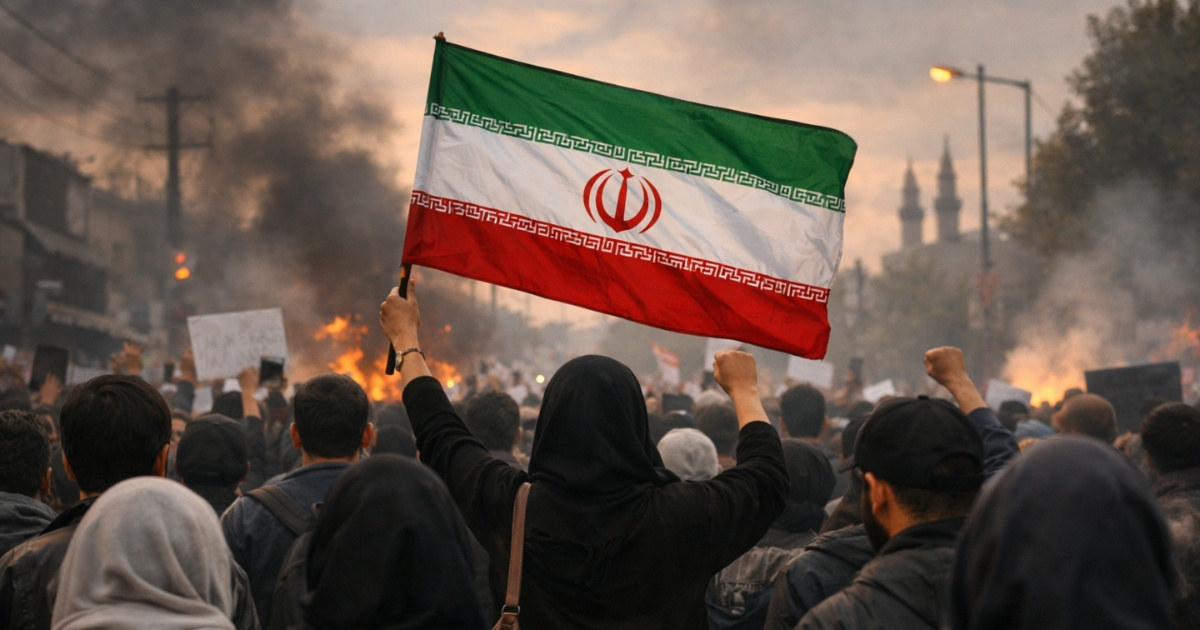
At least 36 people have died and thousands have been arrested in Iran over the past two weeks amid massive protests that have spread throughout much of the country.
The actions are taking place amid a wave of rejection of the regime, which includes slogans like “Death to the dictator” and “Death to Khamenei,” according to various news agencies that have reported on the events.
According to reports, the demonstrations arose as a response to the economic crisis, the collapse of the currency, and the deterioration of living conditions.
The discontent would encompass 92 cities across 27 of the 31 Iranian provinces and would have involved traders, students, and workers.
The cited figure of deceased individuals includes two members of the security forces, while the rest are said to be protesters.
Human rights organizations reported nearly a thousand injured and over 2,000 arrests in 11 days.
In Tehran, the Grand Bazaar remained "practically closed" for the second consecutive day, with shops shuttered as a sign of protest against the depreciation of the rial and the rise of inflation.
Similar scenes were replicated in other parts of the country, including Shiraz, Fasa, Bandar Abás, Tabriz, Qazvín, Gonabad, and Neyshabur, as well as in traditional markets like that of Shoush.
The report indicates that, despite a massive deployment of security forces, tensions continued in the capital and protests persisted.
There have also been repressive actions in the university sector, such as police entering the Islamic Azad University of Kermanshah to evict protesting students.
Verified videos from non-governmental organizations show the use of tear gas to disperse traders and students, as well as arrests during peaceful marches.
Regarding the government’s response, President Masud Pezeshkian announced a monthly aid of 10 million rials (approximately "seven dollars" at the unofficial exchange rate) for basic food, a measure that a local economist deemed "insufficient" to curb economic pessimism.
The Parliament also approved a salary increase of 43% for the upcoming Iranian New Year, but the adjustment did not calm tensions in a context where the year-on-year inflation in December exceeded 52%.
In an episode in Lordegan (southwest of the country), a protest by merchants ended in an armed confrontation, resulting in two deaths and thirty injuries.
State media reported that some victims were carrying weapons and attacked the police, without specifying whether the deceased were officers or protesters.
For his part, U.S. President Donald Trump issued a warning: "We will intervene in Iran if they start killing people...".
Additionally, there was an expression of support for the demonstrators from Israeli Prime Minister Benjamin Netanyahu.
Filed under: