
Related videos:
A Cuban citizen is among the undocumented immigrants with criminal backgrounds deemed dangerous who were arrested by U.S. Immigration and Customs Enforcement (ICE) during the raids conducted in Minneapolis, Minnesota.
The Department of Homeland Security (DHS) reported on the case through a message posted on the social network X.
In the text, the agency stated that "no American wants illegal foreign criminals as neighbors" and noted that these individuals pose a threat to public safety.
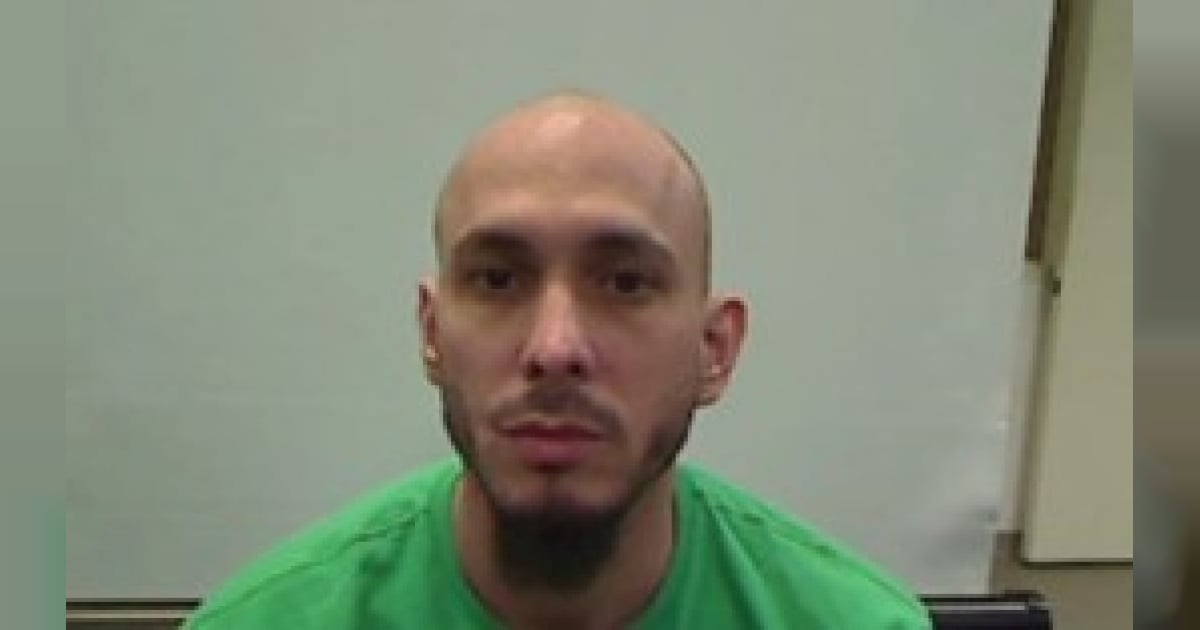
The DHS stated that among "the worst of the worst" detainees during the so-called Metro Surge Operation (launched by the federal government in the Minneapolis-St. Paul metropolitan area, there was a Cuban citizen identified as Yadrian Leyva Leyva.
The official statement describes him as an "illegal foreign offender from Cuba" with convictions for theft, forgery, identity theft, possession of tools for forgery, and transportation of instruments intended for document imitation.
The crimes were cited as an example of the type of profile in the campaign "the worst of the worst," which classifies immigrants with criminal records who, according to authorities, pose a risk to public safety.
The strategy focuses on locating, arresting, and deporting individuals with a criminal record, prioritizing those cases deemed most serious.
More than a thousand Cubans "The worst of the worst"
According to official data, as of December 24th, over 1,150 Cuban citizens were among those detained by ICE in this campaign called "Worst of the Worst."
When filtering the DHS public record by Cuban nationality, 97 pages of cases appeared, with 12 arrests per page, except for the last one, which included a single arrest, totaling 1,152 individuals.
Florida accounted for the majority of these detainees, with 708 cases, followed by Texas with 176. Both states have large Cuban communities and strong immigration enforcement operations.
The rest of the arrests were distributed among Georgia, North Carolina, New Jersey, and Nevada.
Public records indicate that most of the detainees were men of working age.
The offenses attributed covered a wide spectrum: from domestic violence, sexual assault, drug trafficking, and armed robbery to fraud, counterfeiting, and illegal re-entry into the country after a prior deportation.
The DHS, under the direction of Secretary Kristi Noem, presented these arrests as part of the results of immigration policies promoted by President Donald Trump, which prioritize the deportation of immigrants with criminal records.
In a statement, the agency assured that ICE's work fulfills the presidential promise to remove from the country the foreign criminals deemed most dangerous.
The official publication included names, photographs, and partial information about the arrested individuals, with the argument of providing public transparency.
However, human rights organizations have questioned the exposure of personal information and the tone in which the campaign is presented, especially since it was disseminated during the holiday season.
In Florida, more than 60% of the detained Cubans were concentrated in Miami-Dade, Broward, and Collier counties, where joint units between ICE and state police operate. These areas have been recurring sites of immigration operations.
Immigrant advocates warned that many of the detained Cubans are facing minor or non-violent offenses, and that some may have pending asylum applications or ongoing appeals.
An immigration lawyer in Miami stated that the label "the worst of the worst" is unfair and dehumanizing, as it includes individuals with old convictions or minor immigration violations.
Although the United States government has reiterated that deportations to Cuba remain suspended, it is holding Cuban citizens with firm expulsion orders in custody, awaiting bilateral agreements with Havana that would allow their return to the Island.
Filed under: