
Related videos:
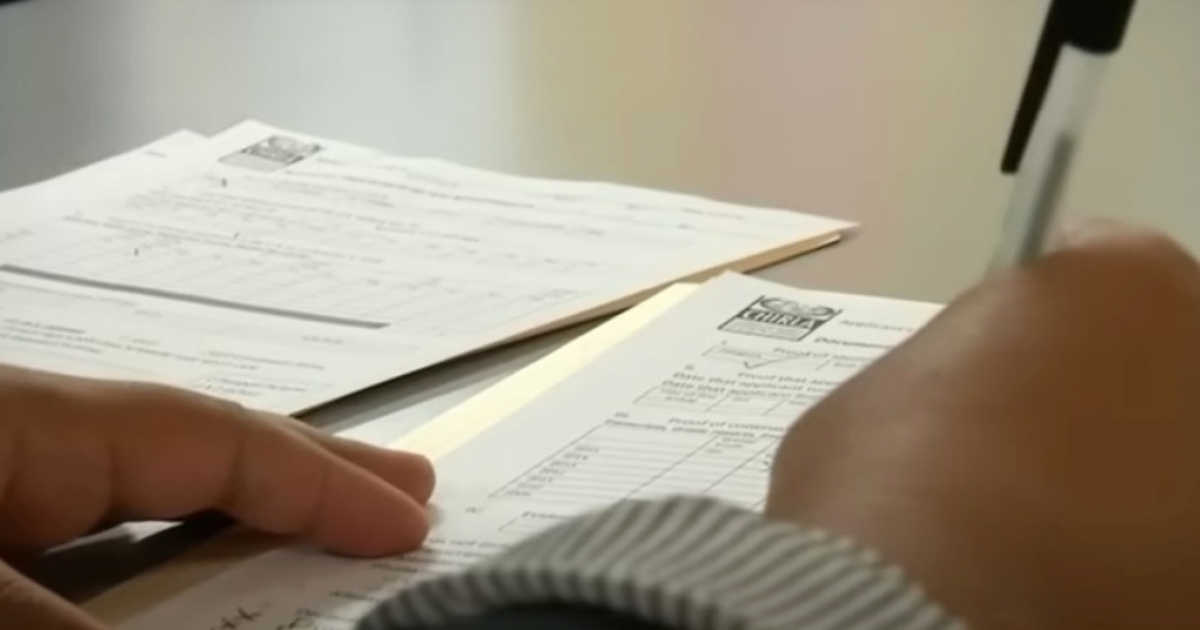
The U.S. Citizenship and Immigration Services (USCIS) will increase the premium processing fees for immigration applications.
The increase will take effect starting March 1st, is related to accumulated inflation, and affects various categories of immigration forms, USCIS reported in a statement.
The I-129 forms (H-1B, L-1, O-1, TN, etc.) will increase from $2,805 to $2,965; while the I-539 form, used to extend or change non-immigrant status (such as F-1, J-1, H-4), will rise from $1,965 to $2,075.
Additionally, the I-765 form related to the Optional Practical Training (OPT) program for F-1 students will now cost $1,780 instead of $1,685.
The new fees must be paid separately from the main application, and it is also mandatory to complete form I-907.
In January, USCIS already increased several immigration processing fees, as part of an annual adjustment for inflation mandated by law H.R. 1.
The measure, published in the Federal Register on November 20, 2025, was a response to the increase in the cost of living recorded between July 2024 and July 2025. From now on, the Department of Homeland Security (DHS) will make a similar adjustment each fiscal year, based on changes in the inflation index.
The new values affected key forms such as the Employment Authorization Request (Form I-765), whose initial fee will increase from $550 to $560. Renewals or extensions of work permits under Temporary Protected Status (TPS) will rise from $275 to $280, and the TPS Application (Form I-821) will go up from $500 to $510.
The costs for the temporary stay permit (Form I-131) were also adjusted, albeit to a lesser extent, increasing from $275 to $280. In contrast, other forms—such as the I-589 for asylum applications and the I-360 for special immigrant juveniles—will keep their fees unchanged, at $100 and $250 respectively.
Filed under: