
Related videos:
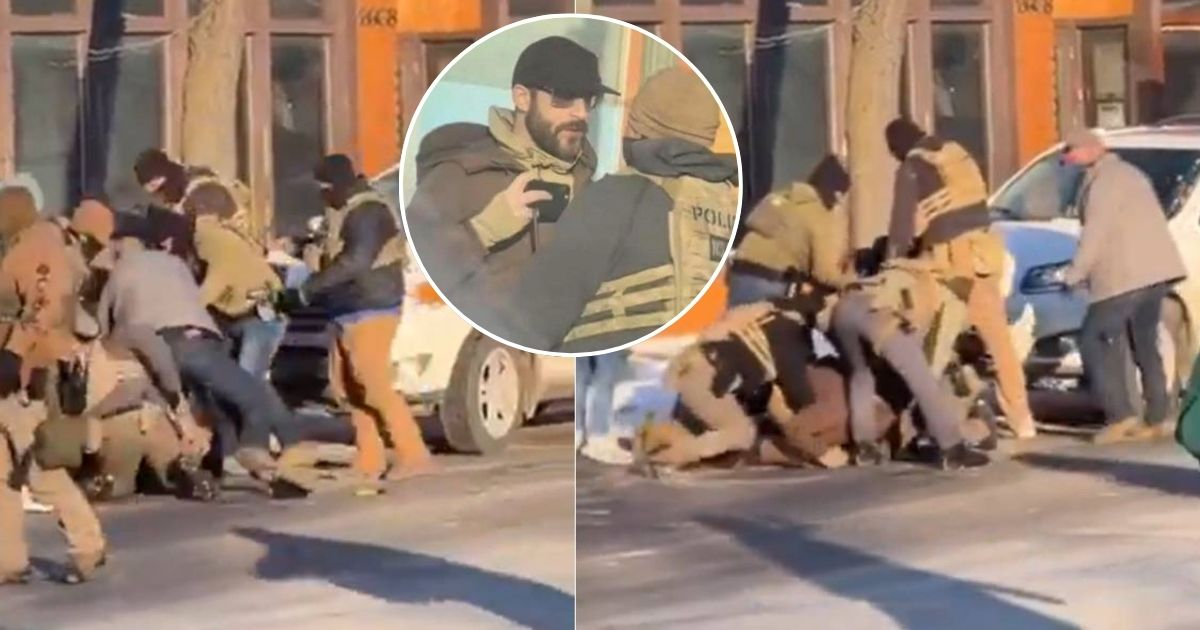
The man who died after being shot by a federal officer in Minneapolis was not a criminal and had no prior convictions. He was an intensive care nurse, worked for the Veterans Administration, and according to his family, was deeply affected by President Donald Trump's immigration crackdown in his city.
Alex Jeffrey Pretti, 37 years old, was a U.S. citizen, born in Illinois, and he had participated in recent protests against the presence of Immigration and Customs Enforcement (ICE) in Minnesota. His parents claim that he was genuinely motivated by concern for others and for what was happening in the country.
“He cared deeply about people and was very upset about what was happening in Minneapolis and throughout the United States with ICE, like millions of others,” said his father, Michael Pretti, in statements collected by Associated Press. “He felt that protesting was a way to express his concern for others.”
Pretti worked as an ICU nurse in the Veterans system and was an outdoor enthusiast. He enjoyed hiking and adventures with his dog Joule, a Catahoula leopard dog who had recently passed away, a loss that, according to close friends, deeply affected him.
The shooting occurred a day after tens of thousands of people marched through downtown Minneapolis to protest the presence of ICE in the city.
At the beginning of this month, Pretti also participated in protests following the death of Renee Good, who was shot while driving her truck, allegedly by an ICE agent.
The Department of Homeland Security reported that the man was shot after approaching Border Patrol agents carrying a 9 mm semiautomatic pistol. However, authorities have not clarified whether he brandished the weapon, which is not seen in the video of the shooting verified by CBS News and other media outlets.
The family acknowledged that Pretti was the legal owner of a firearm and had a permit to carry it concealed in Minnesota, although they asserted that they had never seen him carrying it. Minneapolis Police Chief Brian O’Hara confirmed that he was a licensed legal owner.
According to court records, Pretti had no criminal record or history of conflicts with law enforcement, aside from some traffic fines. His parents, who reside in Wisconsin, had spoken to him weeks prior to urge him to be cautious during the protests.
“We had this conversation with him about two weeks ago, about protesting, but not getting involved, not doing anything foolish,” his father recounted. “And he said he understood.”
The family learned of Alex's death in the most brutal way: through a call from a reporter from Associated Press. After watching the video of the shooting, they recognized their son and tried to contact the authorities, but were unsuccessful immediately.
"I can't get information from anyone," said Michael Pretti. "The police tell us to call Border Patrol, but Border Patrol is closed. The hospitals are not answering any questions."
Finally, it was the Hennepin County medical examiner's office that confirmed the body belonged to Alex.
The case has reignited indignation and fear amid the increasing militarization of immigration operations in the United States, a climate that affects not only migrants but also citizens who dare to protest. For many Cubans both on the island and abroad, Alex Pretti's story resonates as a painful warning about the extent of repression when protest intersects with immigration policy.
Filed under: