
Related videos:
The Russian Embassy in Cuba and the airline Aeroflot have confirmed the schedule for six special repatriation flights between February 12 and February 21 to return stranded Russian and Belarusian tourists on the island.
The measure is taken in response to the severe fuel crisis currently affecting Cuba, which has forced the suspension of flights and the closure of hotels in key tourist areas.
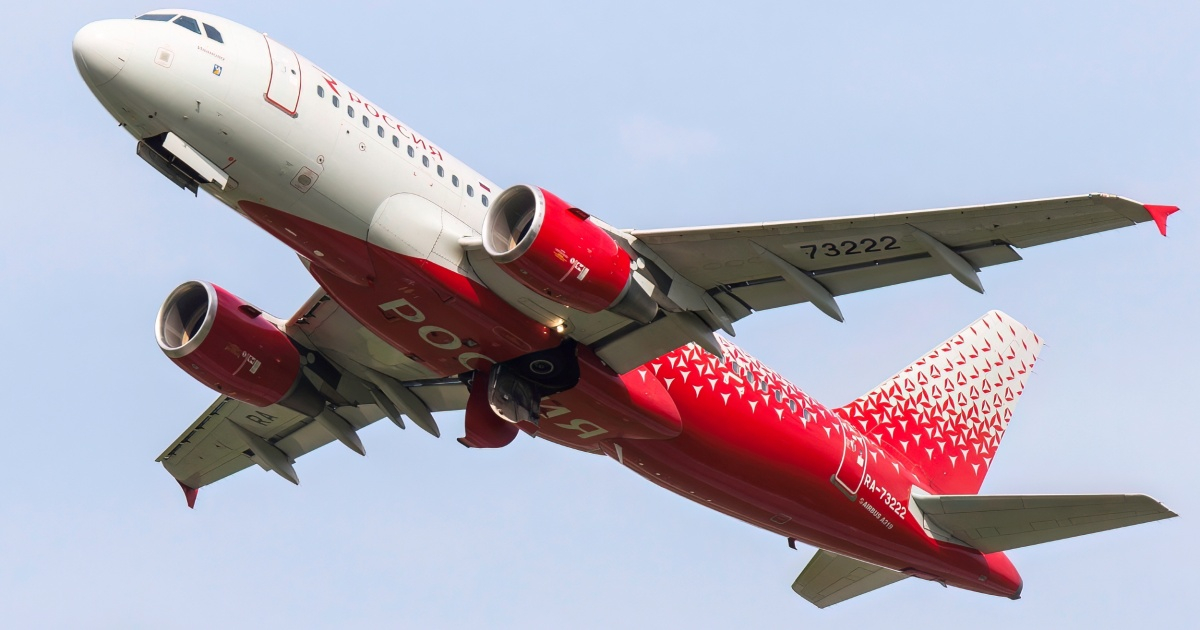
According to an official statement released on social media by the Russian diplomatic mission, the flights will be operated by Rossiya Airlines, part of the Aeroflot group, according to the following schedule:
FV6928 Varadero - Moscow: February 12, 14, 17, 19, and 21.
FV6850 Havana - Moscow: February 16.
After February 24, all regular commercial flights between Cuba and Russia will be suspended, Aeroflot reported.
The embassy explained that "passengers will be informed about the flight status, date, and time through the contacts provided in the booking," and assured that it is in constant communication with the airline and local authorities to ensure a safe return.
He also recalled that Russian citizens can contact the emergency number (+53) 5 263-02-77 in cases of health issues, loss of documents, or death.
Belarusian tourists will also be evacuated
The Republican Union of Tourist Organizations of Belarus reported that the few Belarusian tourists remaining in Cuba—primarily staying in Varadero, Holguín, and Cayo Coco—will be evacuated along with Russian citizens. "Due to difficulties with fuel resupply, Rossiya Airlines and Nordwind will evacuate the tourists currently in Cuba in the coming days, after which they will suspend flights," stated the Belarusian union.
Impact on tourism and legal context
According to data from the Russian Union of the Tourism Industry (RUTI), between 4,000 and 5,000 Russian tourists are currently in Cuba.
Of these, more than 4,300 arrived through tour operators.
The operators are managing the situation without resorting to the emergency fund for "Tourist Assistance," as this is not a case of business insolvency but rather an official recommendation.
"Currently, we have received a recommendation from the relevant authorities for Russians to refrain from traveling to Cuba and for tour operators to suspend the sale of tourism products," stated Alexander Osauenko, vice president of RUTI.
From a legal standpoint, organized tourists are in a better position than independent travelers, as Russian legislation allows for full refunds when a government agency advises against traveling to a specific region.
While organized tourists receive constant updates, many independent travelers complain about the lack of access to Aeroflot resources from abroad.
"It's unclear how to contact Aeroflot. The website and personal account can't be accessed from here," wrote a tourist on social media. Others mention that they can only communicate through groups on social media platforms like VKontakte.
Energy crisis and suspension of travel sales to Cuba
Airlines received an official notification from the Cuban authorities on February 9, stating that the supply of fuel for aircraft would be suspended from February 10 to March 11.
This situation has led to the temporary closure of at least seven hotels, including five-star establishments such as the Grand Muthu Imperial, Iberostar Origin Playa Pilar, and Gran Caribe Camino Del Mar.
The Ministry of Economic Development of Russia officially recommended that travel operators suspend the sale of packages to Cuba.
As a result, Aeroflot and Nordwind are only operating outbound flights from the island.
Tourists with travel plans to Cuba are offered three options: to reschedule their trip, change their destination, or request a full refund.
Although Russia remained one of the main sources of tourism to Cuba in 2025, with 131,900 visitors (a 29% decrease compared to 2024), issues with fuel, reduced air traffic, and now the suspension of flights may worsen the situation.
The Russian Border Service recorded a 33% decrease in tourist trips to Cuba in 2025. According to experts, this trend could continue if the current conditions persist.
Filed under: