
Related videos:
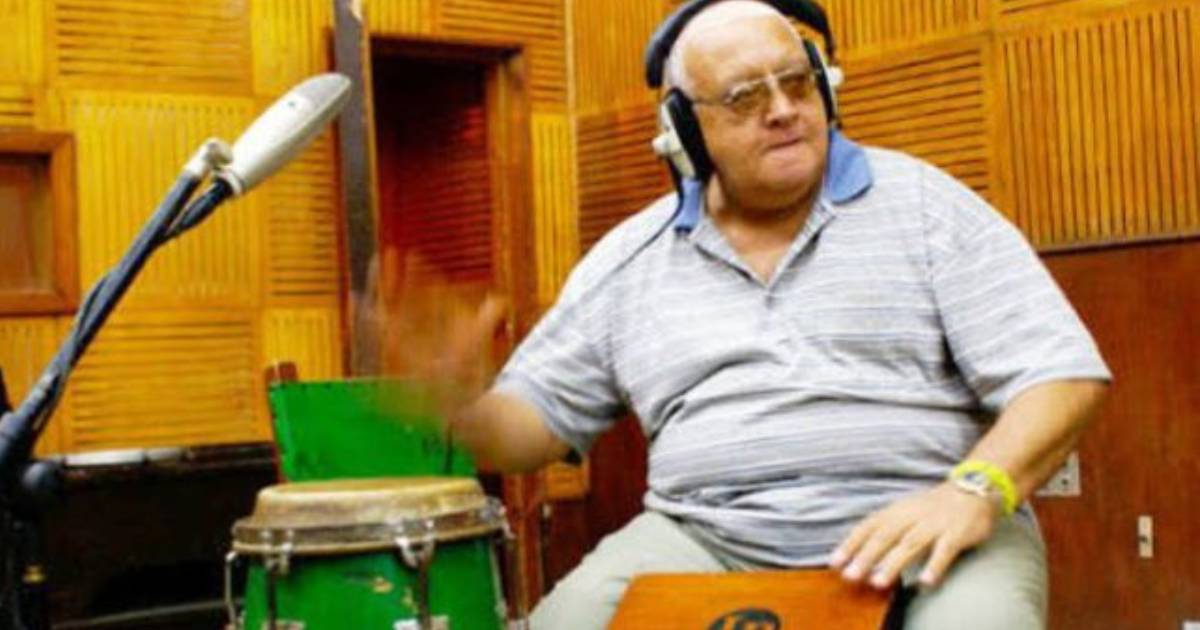
On February 15th, the percussionist and director Amado Dedeu Hernández passed away in Havana, an essential figure of the island's musical heritage and founder of the emblematic group Clave y Guaguancó.
The news was confirmed by the Commercial Company of Music and Shows Ignacio Piñeiro and echoed by the Cuban Institute of Music, which expressed "deep sorrow" over the artist's passing, who was born on November 8, 1945, in the Cuban capital. His body is being laid to rest at the Zanja funeral home in Centro Habana, and the burial will take place this afternoon.
For several generations of rumba enthusiasts, Dedeu was a teacher, a reference point, and a passionate defender of a tradition that defines Cuban popular identity. Before founding the group Clave y Guaguancó in 1982, which marked a turning point in the genre, he was part of Grupo Los Roncos with Carlos Embale and the Conjunto Folklórico Nacional, settings where he established himself as one of the greats in the complex world of rumba.
Dedicating years to artistic education and the preservation of Afrocuban culture, he believed that rumba was not just music, but a living memory of the people. In 2001, he gained international recognition by winning the Latin Grammy with the album La rumba soy yo, a milestone that showcased the genre on global stages.
On social media, musicians and friends began to bid him farewell with messages filled with affection. Musician Landy Calderín remembered him as "a great brother, friend, and father," evoking the years they shared and the void left by his passing.
Those who knew him agree that his life was defined by an absolute dedication to the drum, to guaguancó, and to the community that surrounded him. His name will forever be linked to that vibrant Havana that endures amid tenements, recording studios, and international stages.
With his death, Cuba loses one of its cultural guardians. But his work, like rumba itself, will continue to resonate.
Filed under: