
Related videos:
Cuban son, one of the most emblematic music genres of the island and a symbol of its cultural identity, was inscribed this Wednesday in the List of Intangible Cultural Heritage of Humanity by the UNESCO.
The decision, made during the twentieth session of the Committee held in New Delhi, India, recognizes the profound influence and relevance of this tradition born from the musical blending between Spain and Africa, as reported by the agency EFE.
Born in the 19th century, the son blends Spanish lyrics with African percussion and represents one of the strongest symbols of the island's cultural identity. The nomination was presented by Cuba and approved at the annual meeting of the Intangible Heritage Committee.
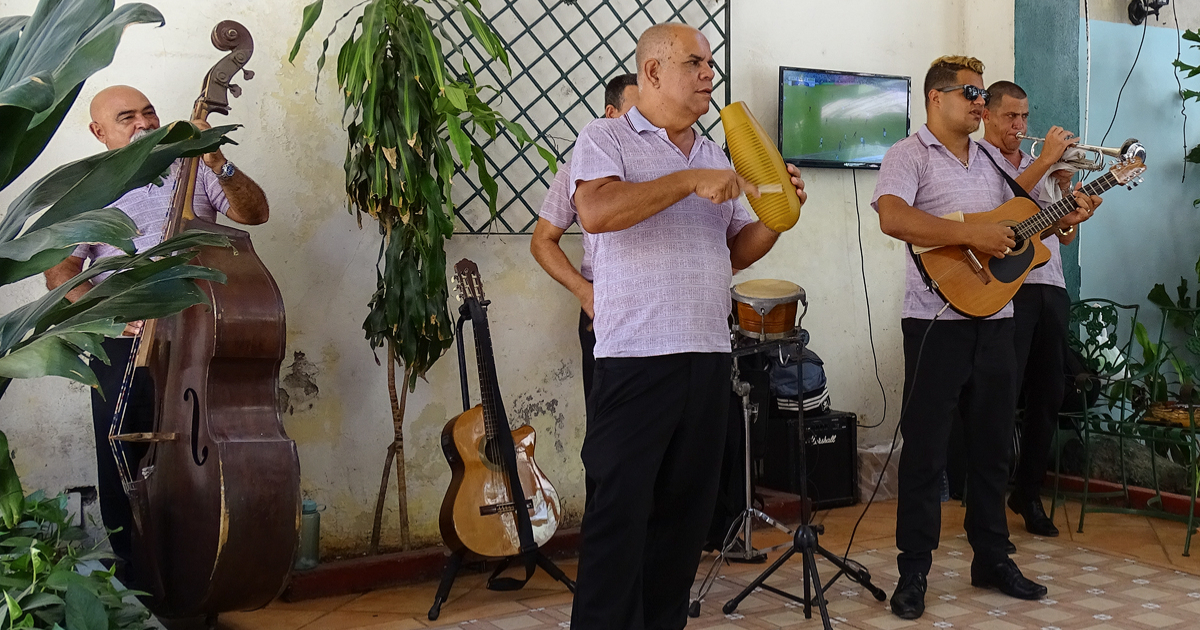
Considered the backbone of much of the island's music in the 20th century, son combines Spanish lyricism with African rhythms, supported by instrumentation that includes the Cuban tres, claves, bongos, and trumpet, especially in its urban variant. Its structure alternates between solo singing, choral responses, and the characteristic montuno, which invites partner dancing and transforms it into a form of collective participation.
A genre that was born in the mountains and conquered the world
Son originated in the hills of eastern Cuba in the late 19th century before spreading to the cities and eventually to the entire island. Since the 1930s, it began its international diffusion thanks to groups like the Trío Matamoros and the Septeto Nacional, and later to great son singers like Benny Moré, Francisco Repilado (Compay Segundo) and Ibrahim Ferrer, as highlighted by the agency AFP.
Its rhythmic richness and ability to blend made it the foundation for new genres that shaped the history of Latin American music, such as mambo, cha-cha-chá, and later, salsa.
The global rise of son experienced a renaissance in the late 1990s with the Buena Vista Social Club project, whose album and documentary returned the genre to unprecedented international popularity. Songs like "Chan Chan" by Compay Segundo—a poetic synthesis of the spirit of son—became anthems across all continents.
A recognition of a living practice and the Cuban cultural heritage
UNESCO highlighted that son remains a vibrant social practice, present in community celebrations, cultural spaces, and the repertoires of musicians from all generations. The organization emphasized the role of the genre in social cohesion and its importance as a vehicle for historical memory and identity expression.
With this appointment, son joins other Cuban traditions already recognized, such as the French burial tradition, rumba, and the expertise of rum masters, reinforcing the significance of the island's intangible heritage.
Filed under: