
Related videos:
At several locations in Havana, journalists and activists reported that State Security agents prevented them from leaving their homes on February 24, marking 30 years since the downing of the Brothers to the Rescue planes.
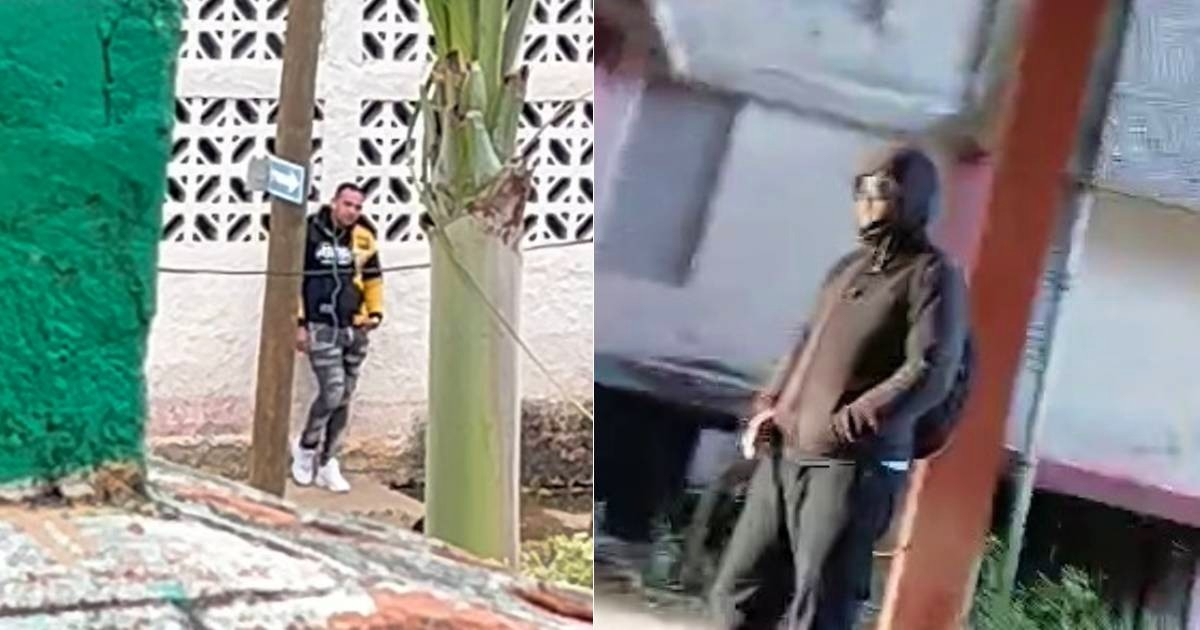
The journalist Camila Acosta shared on social media the presence of a man stationed near her home. "This is the current repressor," she wrote, denouncing that the agent was there to prevent her from going out into the street. According to her post, the scene was part of an operation to halt any attempt at commemoration or statement regarding the date.
A similar situation was described by Yoani Sánchez from her home in Havana. In a post published on Facebook, she recounted that an agent, wearing a cap and dark glasses, briefly identified himself to warn her and journalist Reinaldo Escobar that they could not leave the building because it was “a date of counter-revolution.”
The reason, as explained by the officer himself, was the anniversary of the shooting down of the Brothers to the Rescue aircraft, which occurred on February 24, 1996, when Cuban military jets shot down two civilian planes in an incident that resulted in the deaths of four pilots and sparked strong international condemnation.
Individual reports were supplemented by a statement from the Cuba Transition Council, which reported that several opposition members awoke surrounded in their own homes. Among those affected were Manuel Cuesta Morúa, Juan Manuel Moreno, Rolando Rodríguez Lobaina, as well as journalists and activists Boris González Arenas, Yoani Sánchez, and Reinaldo Escobar.
The organization described the siege as a violation of fundamental rights and stated that the only "crime" of those affected is peacefully opposing and demanding freedoms and democratic changes on the island.
Thirty years later, the date remains profoundly symbolic, especially for the Cuban exile community, which each year holds vigils and events in memory of the victims and in demand for justice. This year, the commemoration carries special significance as it marks three decades since the event.
Additionally, organizations and activists have once again demanded direct accountability from Raúl Castro, historically identified as one of the key political figures responsible for the shootdown. Although this is not the first time he has been pointed out, on this significant anniversary, campaigns calling for him to “face justice” for those events have gained momentum from Miami and Washington.
On the island, however, memory seems to be managed through control. Sánchez described a show of force that would include more agents in the block and a nearby patrol. This is not the first time in recent weeks: according to his testimony, it is the third operation in front of his home in the last month.
The journalist questioned the expenditure of resources to monitor "two peaceful journalists, with no other tool than their words," while the building where she lives faces serious structural issues: broken elevators, deteriorating pipes, garbage accumulation, and lack of maintenance. "Improving the lives of Cubans is not their priority," she lamented.
Three decades after the shooting down that marked a generation both on the island and abroad, the date still evokes official fears. And in several Cuban households, the commemoration was not experienced in plazas or public events, but rather from the window, under surveillance.
Filed under: