
Related videos:
The United States Central Command (CENTCOM) denied this Saturday that there have been any American casualties following the attacks attributed to Iran.
In a message from X, CENTCOM labeled several statements spread by the “Iranian regime” and the Islamic Revolutionary Guard Corps (IRGC) as “lies” regarding alleged casualties, strikes on warships, and serious damage to U.S. military bases.
In a message posted on X, he specifically rejected the claim that Iran had killed 50 American soldiers, asserting that "no American casualties have been reported."
The military command also denied the IRGC report that a U.S. Navy ship had been hit by missiles.
"No U.S. Navy ship has been hit," he stated, adding that the Navy "is operating at full capacity."
“Minimal damage” in facilities and operational continuity
CENTCOM also denied that the U.S. bases suffered serious damage. According to their account, the damage to facilities was "minimal" and has not affected operations.
The President of the United States, Donald Trump, claimed that Iran's supreme leader, Ayatollah Ali Khamenei, "is dead" in a post where he celebrated the event as "justice" and linked the operation to "close collaboration with Israel."
The United States Central Command (CENTCOM) had warned about the risk of "collisions and escalation" in response to naval maneuvers with live fire announced by the Islamic Revolutionary Guard Corps (IRGC) in the strategic Strait of Hormuz.
Washington urged Tehran to act "safely and professionally" and warned that it would not tolerate behaviors deemed dangerous to international navigation or to its forces deployed in the region, one of the most sensitive maritime routes for global energy trade.
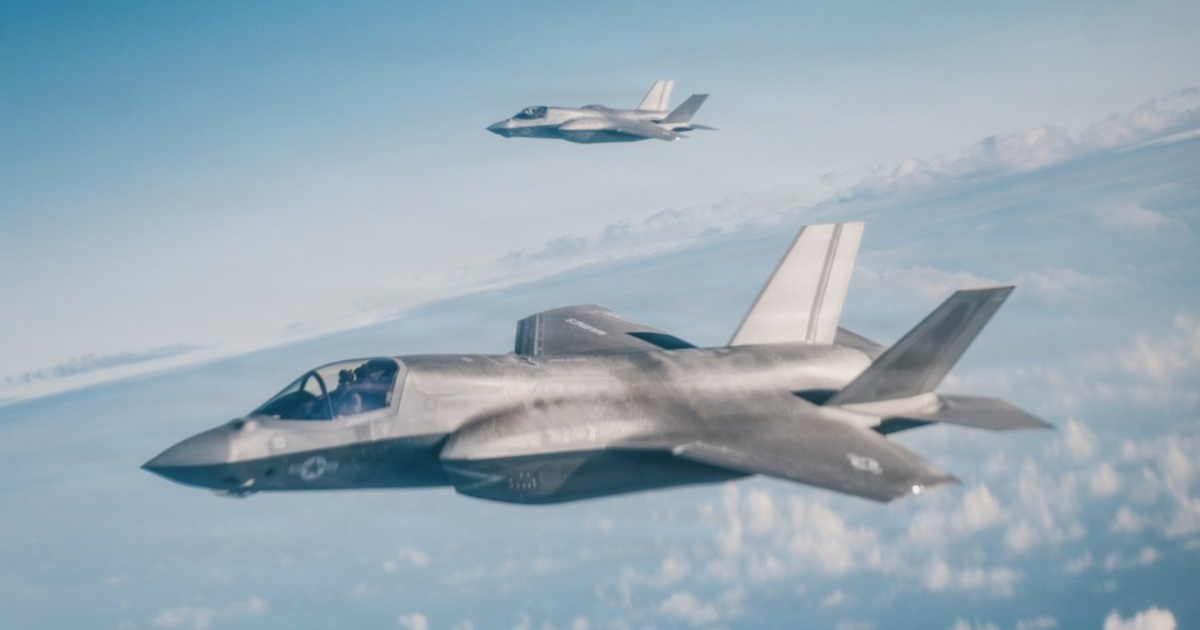
In early February, a U.S. fighter jet shot down an Iranian drone that, according to the Pentagon, was approaching the USS Abraham Lincoln aircraft carrier in the Arabian Sea in an "aggressive" manner.
The White House described the action as an act of self-defense, while Tehran maintained that the aircraft was conducting a routine reconnaissance mission. The incident highlighted the fragility of the military balance in the region amidst intermittent diplomatic contacts and increasing crosswarnings.
Tensions escalated a week later when Washington ordered the USS Gerald R. Ford aircraft carrier to move from the Caribbean to the Middle East.
The movement reinforced the U.S. naval presence alongside the Abraham Lincoln and its strike group amid the stagnation of negotiations regarding the Iranian nuclear program and public warnings from President Donald Trump about potential "very traumatic" consequences if an agreement with Tehran was not reached.
The buildup of military forces and the hardening of rhetoric from the Trump Administration thus solidified a phase of maximum tension leading up to the actions that resulted in Jamenei's death.
Filed under: