
Related videos:
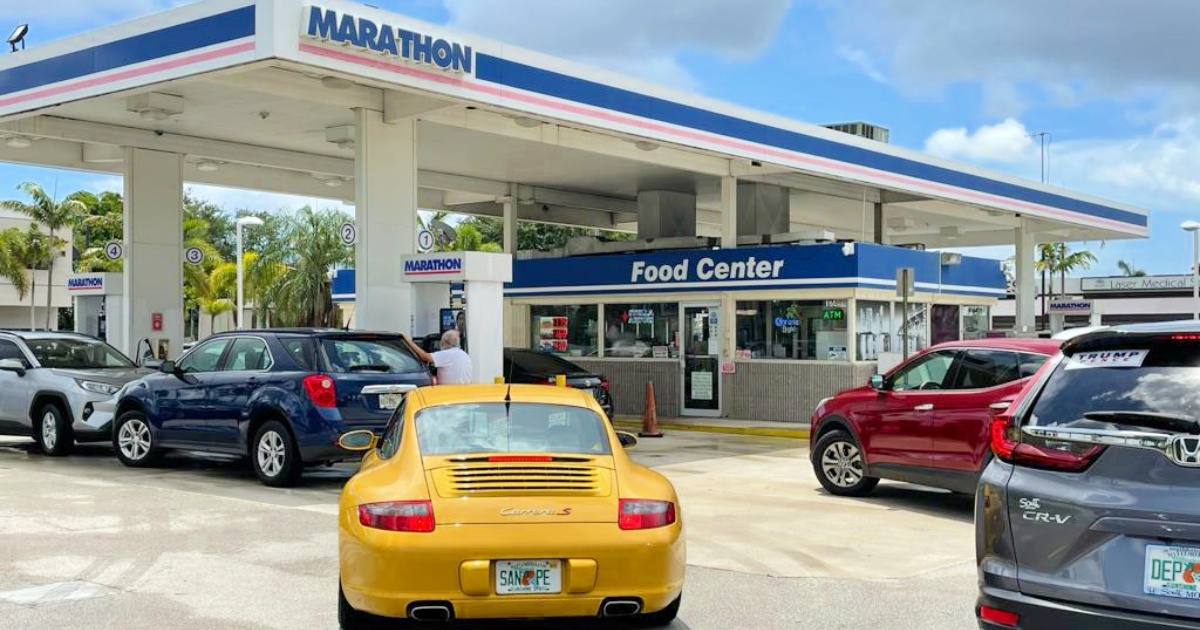
Drivers in Florida are facing a new blow to their wallets. The price of gasoline continues to rise rapidly amid the volatility of the global energy market and the geopolitical tensions affecting oil.
The latest data from AAA shows that the average price of gasoline in the U.S. reached $3.539 per gallon on March 10, while the average in Florida hit $3.630, both showing an upward trend compared to previous days.
These figures confirm the acceleration of prices that has already been observed in recent days in the state.
According to AAA, the state average rose by 57 cents per gallon last week, reaching $3.45 on Sunday, the highest level since August 2024. The increase has remained since then.
Compared to recent figures, that Sunday average was 59 cents higher than a month ago and 35 cents above what was recorded a year ago on the same date.
"Gas station prices rose rapidly at the beginning of last week due to the increase in oil prices," explained Mark Jenkins, spokesperson for AAA.
"With oil taking another big leap higher on Friday, drivers should prepare for another round of increases in the coming days as retailers and suppliers adjust to those higher costs," he added.
The international conflict pressures oil
The increase is mainly attributed to the sharp rise in oil prices in international markets.
According to the AAA report, oil prices surged by 36% in one week, marking the largest weekly increase in twenty years. A barrel reached $90.90, nearly $24 more than the previous week and its highest level since September 2023.
Gasoline futures also experienced a sharp increase, rising by 67 cents per gallon, which quickly translates into higher prices for consumers.
"Oil is the largest input cost in gasoline, so when crude and gasoline futures rise, retail prices typically follow," Jenkins explained.
There is no fuel shortage
Despite the rise in prices, AAA insists that there is no gasoline shortage in the country.
"The U.S. supply remains stable, refineries are operational, and there are no signs of shortages. The higher prices at the pump reflect the increased cost of fuel, not disruptions in availability in the U.S.," the organization clarified.
Energy markets are particularly responsive to the situation surrounding the Strait of Hormuz, a maritime route through which nearly 20% of the world's oil typically flows. Tensions in the area have slowed the traffic of oil tankers and put upward pressure on crude prices.
Nevertheless, fuel deliveries within the United States continue as usual, and the stations remain stocked, according to the energy sector.
How high could prices rise?
Analysts consider it premature to predict the peak of the rise.
According to AAA, everything will depend on how long the international conflict lasts, when navigation in the Strait of Hormuz normalizes, and how global supply and demand respond.
To put it into perspective, the organization recalls that during the onset of the war between Russia and Ukraine in 2022, the average price of gasoline in Florida reached $4.87 per gallon, when U.S. crude surpassed $120 per barrel.
There is also a direct relationship between the two markets: gasoline tends to increase by about 2.5 cents for every dollar that oil rises, according to AAA's analysis. If crude continues to climb, it's likely that prices at the stations will keep increasing.
Where is the most expensive gasoline in Florida?
The latest survey shows significant differences within the state.
The areas with the highest gasoline prices were:
-West Palm Beach – Boca Raton: $3.57
-Naples: $3.53
-Homosassa Springs: $3.52
The lowest prices were recorded in:
-Crestview – Fort Walton Beach: $3.05.
-Panama City: $3.09.
-Pensacola: $3.13.
In South Florida, differences between counties are also observed:
-Miami-Dade: around $3.16 per gallon.
-Broward: around $3.52.
-Palm Beach: approximately $3.62.
How to Save Fuel
In light of the rising fuel prices, specialists recommend several measures to reduce expenses:
-Drive gently, avoiding sudden accelerations or racing from traffic light to traffic light.
-Compare prices between stations, as the differences can lead to significant savings over the year.
Use apps like GasBuddy, Gas Guru, or AAA TripTik to find cheaper fuel.
-Take advantage of loyalty programs at gas stations, which often offer discounts.
-Carpooling with family members or colleagues who have similar routes.
- Maintain the correct tire pressure and avoid carrying unnecessary weight in the vehicle.
For now, drivers in Florida should keep an eye on oil market trends and the developments of the international conflict, as these factors will determine whether the current increase is temporary or the beginning of a new rise in fuel prices.
Filed under: