
Related videos:
The time has come for Cubans to reach into their pockets and count the few coins they have. They must pay taxes to the Castro regime. In a scenario of unprecedented humanitarian crisis, with daily blackouts, food shortages, unsanitary conditions in cities, and an energy paralysis due to lack of fuel, the Castro regime has no other idea than to proceed with the collection of taxes for the current tax campaign.
As if nothing were happening, as if Cubans were experiencing a period of normalcy, when that is not the case. Decisions of this caliber confirm, once again, that the problem in Cuba lies with its government and not outside forces, and that the lack of sensitivity and attention to serious internal issues could ultimately lead to another disaster in the current humanitarian crisis.
The message from the authorities is clear. No one should forget to fulfill their tax obligations within the established deadlines. It matters little that the current situation is the least favorable for undertaking the personal and collective effort that paying taxes entails. The National Tax Administration Office (ONAT), the executing arm of the revenue collection policy, has issued a call to both individuals and corporations in the country to comply with the obligation to pay taxes within the current fiscal calendar. And it is well known that those who fall off the list know what to expect.
In this way, the communist state aims to refill its coffers with revenues that it later allocates to activities it deems relevant. In all of this, economic actors are left on the sidelines. They are not even consulted. For the communist regime, the only thing that matters is that citizens pay their taxes on time. Otherwise, threats, controls, persecution, and sanctions will follow.
The ONAT seems oblivious to the humanitarian crisis the country is experiencing, which is quite surprising. In crises similar to the one the Cuban economy is facing, other countries would delay tax commitments or cancel them with generous exemptions on tax payments, but in Cuba, no one wants to question the current tax calendar.
And the government's message leaves no room for doubt: payment is required, even if it is very difficult or impossible to do so. The truly unfortunate aspect of all this is that the regime does not waive its tax collection even in especially challenging times for economic actors, justifying it by saying that we must continue strengthening the national economy. A serious mistake.
The theory of public finance argues that the worst thing a government can do in a time of severe crisis, such as the current one, is to demand tax payments from the population. Many small businesses will struggle to meet their tax obligations and may disappear. By doing this, the government will be unable to effectively strengthen the national economy.
There should be no doubt about this. The party responsible for the looming tax disaster is the regime. Specifically, the Ministry of Finance and Prices, which, through its official social media profiles, supported the call from the ONAT, emphasizing the importance of fiscal discipline as a pillar of the country's development. In other words, the communist priorities have always been quite clear. First the totalitarian state, then the national economy.
The authorities also want taxpayers to adhere to the payment schedule set from March to May, which is divided into three phases: by March 31, payment of the profit tax and the dividends earned; by April 30, submission of the tax declaration and payment of personal income tax; and by May 31, settlement of non-taxable taxes, as outlined in the official calendar.
This is precisely the worst time of year to do so, considering that the factors that have brought the Cuban economy to the state of serious humanitarian crisis it is currently facing are unlikely to disappear and are more likely to worsen as time goes by.
Some believe that this tax campaign, touted by the information outlets of the communist regime, such as the Agencia Cubana de Noticias (ACN), is just another propaganda tool aimed at conveying a sense of economic stability to the rest of the world. But the message is misleading, as if Cuba were not currently experiencing one of the worst economic crises in the 67 years of Castro's regime, and that the social protests were not steadily escalating night after night in the capital and major cities.
And as always, something worse can happen, the government requires individuals who did not earn income during the fiscal year to still submit a sworn declaration, a behavior that the regime considers an essential requirement to maintain tax legality and order. In reality, it is just another tool of communist control over the economy, among the many that exist in Cuba.
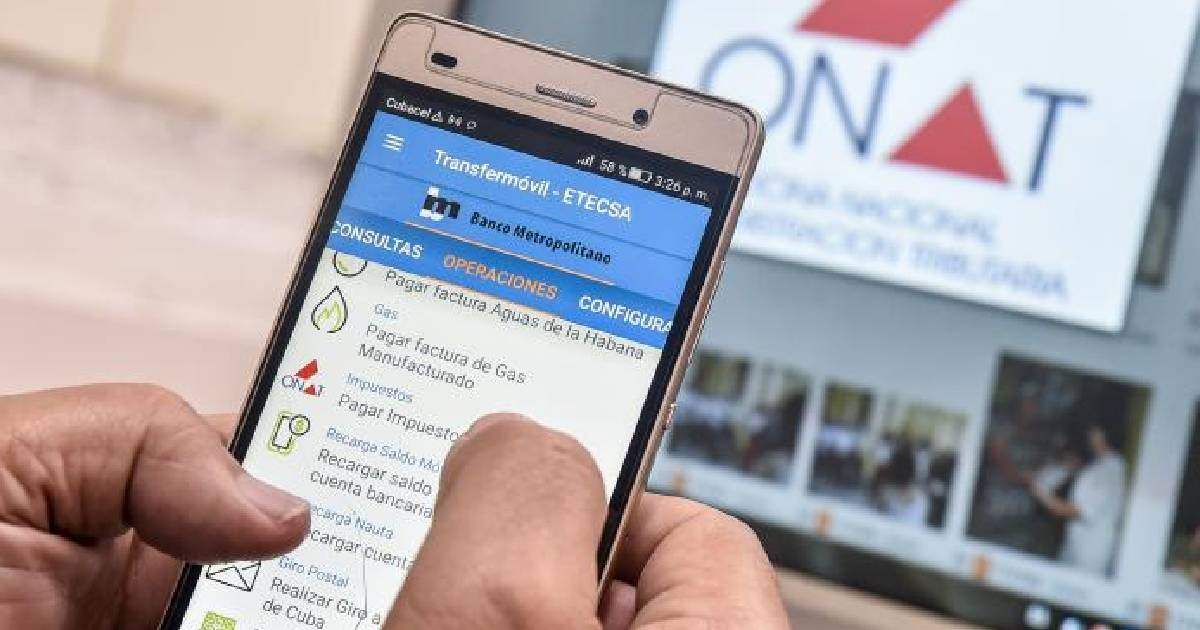
And here comes the truly surprising part. The ONAT has decided, in order to encourage the use of new technologies and modernize the processes for tax payments in the current campaign, to grant a 3% discount to those who make their tax payments through the designated electronic platforms. This measure, they say, promotes efficiency and transparency. In short, the regime wants to collect quickly, as soon as possible, regardless of the final amount; it seems to be a directive from the authorities who are not entirely confident and are aware that there could be an unprecedented drop in tax revenue as a consequence of the crisis. And the final outcome may end up being much worse than expected.
At the same time, the regime's official press noted that the ONAT has reminded the public that institutional channels for inquiries, complaints, or suggestions are available, with a commitment to providing timely responses to each issue raised. Few complaints or suggestions are made by Cubans to the ONAT; it's often easier to pay and avoid problems.
Filed under:
Opinion article: Las declaraciones y opiniones expresadas en este artículo son de exclusiva responsabilidad de su autor y no representan necesariamente el punto de vista de CiberCuba.