
Related videos:
The General Directorate of Health of the municipality of Antilla, in Holguín, published a statement on Facebook this Tuesday warning that the municipality is preparing in case there is an increase in Bed Bugs in the Province of Holguín. The detail lies in the subjunctive: the same text acknowledges that the problem already exists and is growing.
The very statement admits that "in our province, there has been a considerable increase in the population's complaints" due to these infestations in their homes. That is to say, the authorities are aware that the plague is already here, but they frame it as a hypothetical future possibility.
That internal contradiction —acknowledging the problem in one paragraph and presenting it as something that might occur in the next— is not an isolated editorial oversight.
It is the usual pattern with which Cuban institutions manage health crises: language that avoids direct alarm even though the events are already happening.
Cuba has been facing a national infestation of bedbugs for at least two years, affecting hospitals, nursing homes, schools, hotels, and residences across multiple provinces.
In July 2024, the Gustavo Machín Psychiatric Hospital in Santiago de Cuba reported severe infestations, with patients covered in insects.
That same month, a nursing home in Manzanillo, Granma, reported a pest affecting 165 residents with no effective response from the authorities.
In August 2025, the Puerto Príncipe Hotel in Camagüey completely closed due to a bedbug infestation that spread two blocks in every direction.
In November 2025, patients at the Santa Clara Psychiatric Hospital were sleeping on infested mattresses, with visible insects on the sheets and bodies.
The province of Holguín had already been mentioned in reports from July 2024 as an affected area, and the Lenin Provincial Hospital appeared in complaints in November of that same year.
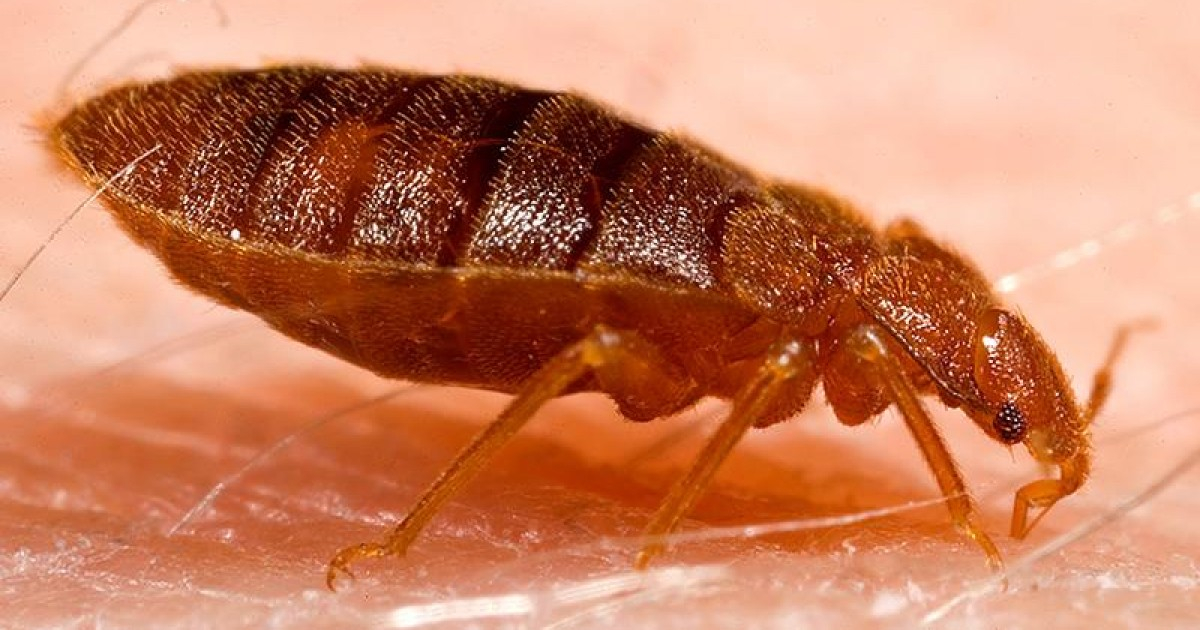
The Antilla statement describes bedbugs as oval-shaped brown parasites, "the size of an apple seed," that can live over 300 days and feed at night, causing "significant anxiety and stress among those affected."
Although it clarifies that they are not disease vectors, it acknowledges that their bites cause irritations, allergic reactions, and insomnia.
The solutions proposed in the official text are revealing: wash bedding at high temperatures and, for items that cannot be washed, "expose them to the sun during the hottest hours."
Recommendations with zero cost that reflect the scarcity of insecticides and the state's inability to combat the plague with more effective methods, a problem that in Artemisa, in April 2025, was exacerbated precisely due to the shortages at Labiofam, the state pest control company.
The statement concludes with a warning that, in light of all the above, sounds more urgent than its authors seem willing to admit: "If you suspect an infestation, act quickly to prevent its spread".
Filed under: