
Related videos:
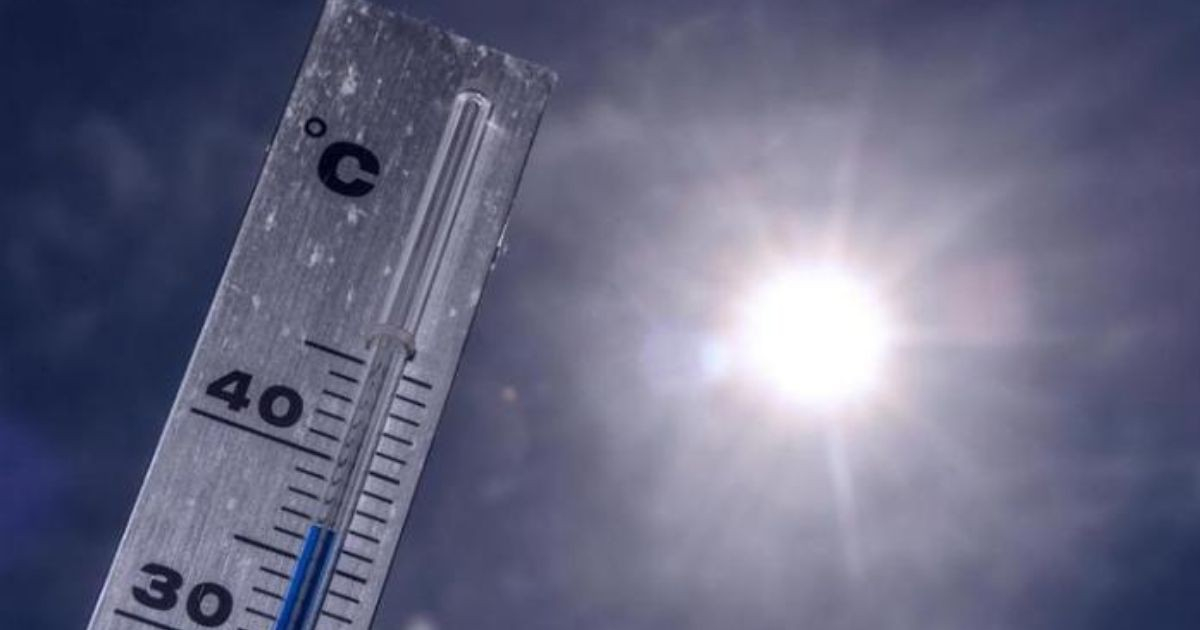
The latest biometeorological projections indicate that the summer of 2026 will be very warm in Cuba, with intense heat sensations that could last for more consecutive days than in previous years.
Doctor in Geographic Sciences Luis Lecha Estela, Researcher of Merit and a pioneer in biometeorological forecasting in the country, warned Granma that "if the forecast is accurate, intense heat sensations will prevail during the June-August quarter, which may persist for a greater number of consecutive days."
According to the specialist, the outlook would correspond to the expected notable increase in the influence of the oceanic anticyclone over the Caribbean and Cuba, a factor that would favor the more southerly movement than usual of the trajectories of tropical waves and the arrival of dust clouds from the Sahara.
These factors are compounded by the high likelihood of a new event El Niño/Southern Oscillation (ENSO), according to the most recent forecast from the European Centre for Medium-Range Weather Forecasts.
Lecha Estela clarified that the combination of all these elements "would encourage the prevalence of meteorological drought conditions and water stress throughout our geographical area during the summer period, in addition to fostering the emergence of more frequent cycles of truly suffocating heat."
The forecast arrives in an already critical hydric context: until March 2026, drought was impacting 62% of the Cuban territory, with national water reserves at 38% of their total capacity, the lowest level since 2015.
The trend is not new. Cuba has been experiencing progressively hotter summers for over a decade. The year 2023 was the hottest on record on the island, with temperatures 1.38°C above the historical average.
In April 2024, the absolute temperature record for the country was set: 40.1°C in Jucarito, Granma province. In May 2025, the Casablanca station in Havana recorded a historic record for that month with 38.0°C.
Research led by Lecha Estela has documented for the first time in Cuba excess mortality associated with heatwaves, particularly among the elderly, children, pregnant women, and individuals with chronic illnesses.
The impact of extreme heat on the population is exacerbated by the energy crisis that the island is experiencing, leaving millions of Cubans without fans or air conditioning during prolonged blackouts, precisely when they need them the most.
Globally, the NOAA estimates an over 80% chance that El Niño will strengthen during the June-August period of 2026, with scientific analysis suggesting that it could be the most intense of the century, surpassing the events of 1982, 1997, and 2015.
Filed under: