
Related videos:
Citizen outrage over the energy crisis in Cuba continues to grow. This time, matancera photographer Belice Blanco Garcés raised her voice to denounce the extreme blackouts that keep her community engulfed in darkness, heat, and despair.
In a heartbreaking message posted on Facebook, Blanco Garcés described how in his town -once a prominent sugar mill that was a pioneer in providing electricity to the emerging beach resort of Varadero- the population now survives with power outages lasting up to 30 consecutive hours, receiving barely one or two hours of electricity.
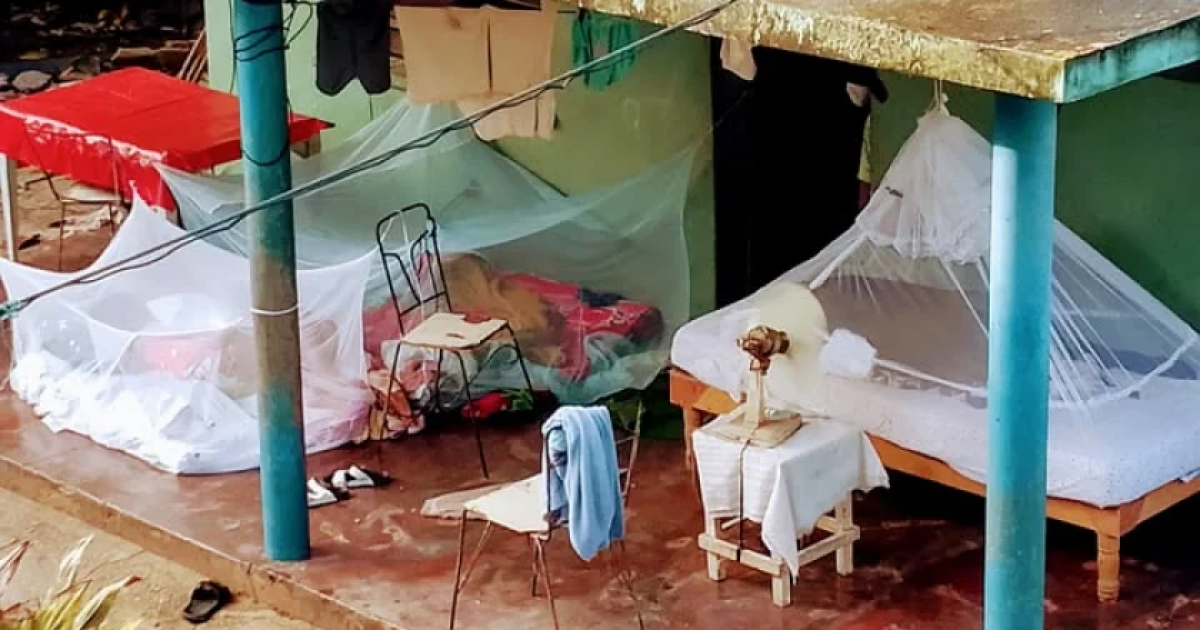
"We spent entire nights and early mornings in the immense heat, killing mosquitoes and wondering what kind of life this is that they are forcing us to live," he wrote.
"This is genocide."
The independent artist, who usually focuses on sharing posts about art, love, and service to others, confessed that she could no longer remain silent in the face of everyday suffering.
"What we are experiencing is genocide," he stated, pointing directly to the injustice that Matanzas, home to the largest thermoelectric plant in the country, suffers from abusive blackouts while the capital and the tourist hub of Varadero enjoy a more manageable power supply.
Her complaint highlighted the inequality and cynicism of the regime: "How am I supposed to care for my elderly and sick mother amidst so much darkness, when what she needs is to rest with dignity and not spend her nights suffering for a bit of air and cold water? How can we feed the elderly and children if the little we manage to buy goes bad due to the excessive heat?"
In his message, he also shared the pain of forced migration, which affects thousands of Cuban families: "Why did my son have to leave his homeland with tears in his eyes to help us survive this hell?"
The testimony of Blanco Garcés reflects a widespread reality across the Island: a population subjected to power outages of over 20 hours a day, with direct consequences on health, nutrition, and family life, while the government continues to blame external factors and refuses to acknowledge the magnitude of its own negligence.
Official silence, citizen outcry
The artist concluded her post with a statement of dignity: "I refuse to be silent! I demand to live a dignified life with the human rights we deserve." She clarified that she would not respond to comments, "much less from haters of any kind."
Her voice adds to the growing wave of grievances on social media, where citizens from various provinces demand explanations and solutions from a State that, instead of ensuring basic services, privileges the comfort of elites and tourist enclaves at the expense of the general population.
The regime, directly responsible for the most severe energy crisis in decades, subjects the Cuban people to a collective punishment of endless blackouts, driving thousands to despair and exile, while clinging to an inefficient and futureless model.
Frequently Asked Questions about the Energy Crisis in Cuba and Blackouts in Matanzas
Why are there prolonged blackouts in Matanzas and other provinces of Cuba?
The blackouts in Matanzas and other provinces of Cuba are due to the energy crisis the country is facing, exacerbated by the lack of fuel, the deterioration of electrical infrastructure, and the regime's inefficiency in managing resources. The Antonio Guiteras thermoelectric plant, one of the main sources of energy, has suffered multiple breakdowns, contributing to the lack of electricity. This situation has resulted in outages that can last from 30 to 72 hours, severely impacting the daily lives of citizens.
How does the lack of electricity affect the population of Matanzas?
The lack of electricity in Matanzas affects the population in multiple ways: it interrupts the preservation of food, prevents the use of basic appliances, and hinders access to drinking water and communication. The high temperatures, combined with the lack of ventilation, worsen living conditions, especially for the elderly and children. Furthermore, the lack of electricity results in emotional and physical strain that impacts mental health and family harmony.
What measures has the Cuban government taken in response to the energy crisis?
Despite promises of improvements and maintenance, the Cuban government has not provided effective solutions to address the energy crisis. Authorities continue to blame external factors like the blockade, failing to acknowledge their own responsibility for the poor management of the electrical system. The population continues to endure prolonged blackouts without a clear strategy for resolution or relief.
What is the reaction of Cuban citizens to power outages?
The reaction of Cuban citizens to the blackouts is one of growing indignation and desperation. Social media has become a platform to raise awareness about the situation, share experiences, and demand answers from the government. Testimonials from citizens illustrate the daily impact of the blackouts and reflect a collective desire for change and energy justice. Frustration is intertwined with resilience, as many families try to adapt to the challenging living conditions.
Filed under: