
Related videos:
A survey by Fox News published this month reveals that 70% of registered voters in the United States believe that the taxes they pay are "too high," the highest figure since this question was first asked in 2004.
The figure represents an increase of 11 percentage points compared to March 2025 and surpasses the previous record of 64% set in March 2024, making this result the historical peak of fiscal discontent in over two decades of measurements, added AP.
Discontent transcends party lines and affects very different groups within the electorate.
The greatest increases in the perception of excessive taxes are recorded among postgraduate voters, with a rise of 24 points since 2025, followed by very liberal voters (+20 points), Democratic men (+19), and moderates (+19).
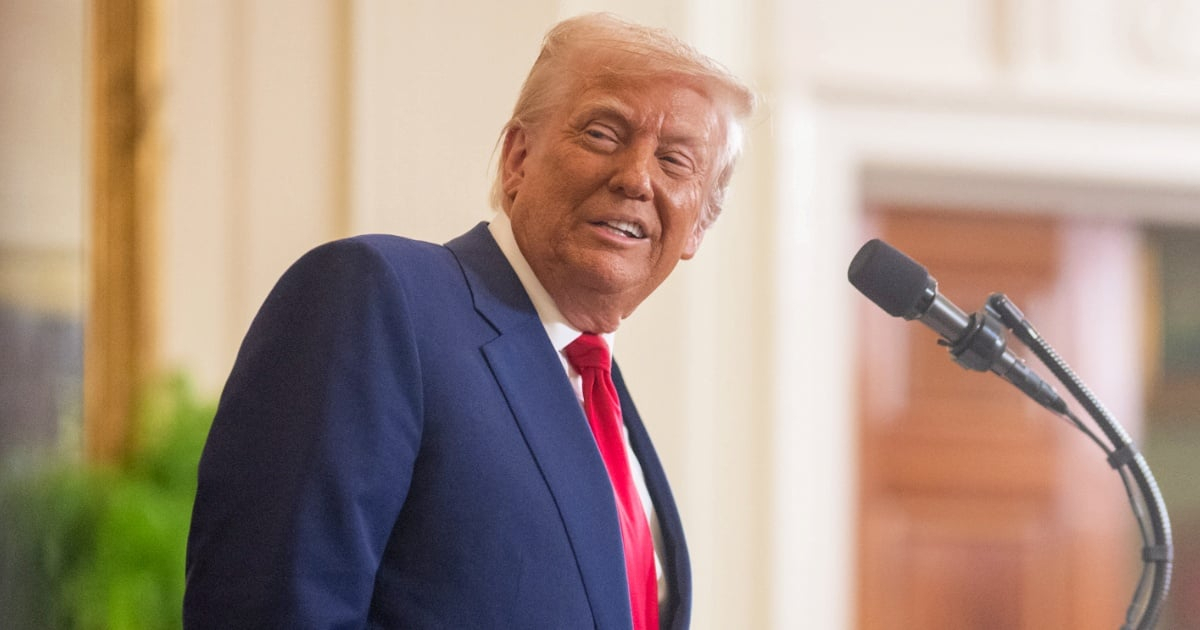
The disapproval of President Donald Trump's handling of taxes also reached a record high of 64%, an increase of 11 points compared to the previous year, with rises among Democrats (+9), Independents (+14), and Republicans (+9).
The discontent is not limited to the tax burden: 75% of voters believe that government spending is "wasteful," nearly 20 points higher than the previous year.
The economic context exacerbates the perception. 46% of voters say they are falling behind financially, 61% could not miss more than two pay periods and still cover their bills, and 27% could not afford to lose a single paycheck.
This scenario contrasts with the data from the 2026 tax season, during which refunds from the Internal Revenue Service (IRS) have increased by 10.9% compared to the previous year, reaching an average of $3,571 per taxpayer.
The total refunded amounts to 202.595 billion dollars, compared to 179.469 billion in 2025, an increase of 12.9%.
Part of that increase is attributed to the One Big Beautiful Bill Act, approved in July 2025 with a narrow vote of 215-214 in the House of Representatives.
The law exempts tips and overtime from taxes for workers earning less than 150,000 dollars annually and raises the limit for deductions for state and local taxes to 40,000 dollars for those earning less than 500,000 dollars.
However, the massive tariffs imposed by the Trump administration have eroded any perceived relief.
Kimberly Clausing, a law professor at the University of California, Los Angeles, and a former economist at the Treasury Department, warned that tariffs represent "the largest tax increase that consumers have faced in 50 years, in the form of price hikes."
The wholesale prices in the United States rose by 4% last month, exacerbating the overall economic distress during the peak of tax season.
No party convinces on pricing issues: 68% of voters say the Democrats don't have a clear plan to lower them, and 70% say the same about the Republicans.
Filed under: