
Related videos:
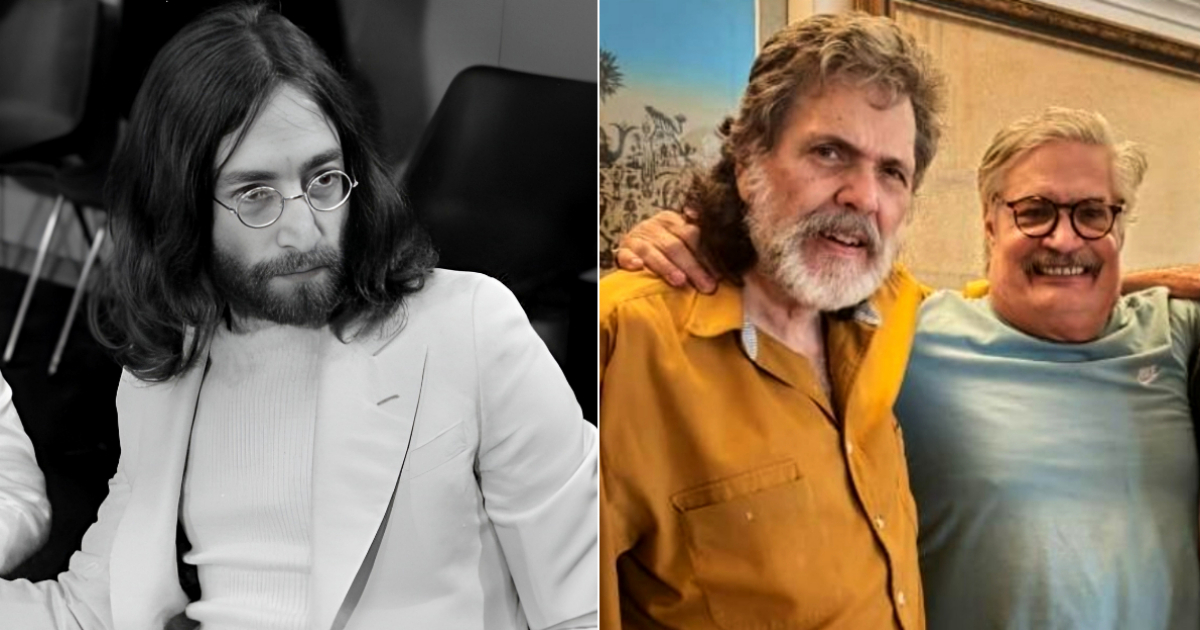
The publication by CiberCuba regarding Abel Prieto and Amaury Pérez reminiscing about John Lennon sparked a massive wave of outrage on social media, where hundreds of Cubans criticized what they deem an act of "hypocrisy" by figures connected to the regime's cultural apparatus.
The debate quickly overflowed on Facebook, with a prevailing narrative: the contradiction between the current tribute to the former Beatle and the persecution that his music endured in Cuba for decades.
“They banned the Beatles and now they mourn them”, summarized a user, in a phrase that was repeated in various forms throughout the comments and encapsulates the sentiment of many.
The criticism revolved around a clear idea: those who today evoke Lennon were part —directly or indirectly— of the system that repressed those who listened to him.
Numerous readers recalled that listening to music by The Beatles was not only frowned upon, but could also lead to consequences. “You had to listen to them quietly, in fear, because it was considered ‘ideological diversionism’”, wrote one commentator. Another added: “If you were caught with a record, you were asking for trouble. Now they come to mourn them.”
References to institutional punishments were constant. "I know people who were expelled from school for that,” stated a user. In the same vein, another recounted: “I was kept without leave for months in the Military Service for having a Beatles record. Today they regret it, what irony.”
The topic of the Military Production Assistance Units (UMAP) also emerged strongly in the conversation. "Many ended up in those camps for listening to music in English. That is not forgotten," pointed out a reader. Another insisted: "That was real, it's not a story. And they never apologized."
Beyond individual testimonies, the comments reflect a deeply rooted collective memory. “In the 70s, we had to hide the records at parties. If the police showed up, they would take them away,” recalled a user. Another added: “They would cut our hair in the street for wearing it long. It was all part of the same thing”.
Among the prominent voices, the Cuban filmmaker Lilo Vilaplana issued a critique that also resonated with readers: “And why didn’t he cry when Castro took his life, which was forbidden in Cuba?”. His comment was supported by other users who pointed out what they regard as a “selective memory” within the official discourse.
Indignation was not limited to the past. Many comments questioned how figures like Prieto can speak out about Lennon while, according to them, ignoring the current crisis in the country. “Let them weep for the Cuban people, for hunger and blackouts,” wrote one reader. Another was more blunt: “They don’t weep for Cubans, but they do for a foreign artist.”
The accusation of "double standards" was repeatedly mentioned. "First they banned it, and then they made a statue of it,” summarized a comment. In this vein, another user wrote: “It’s the culture of hypocrisy: what was bad yesterday is turned into a symbol today.”
There were also criticisms of the political use of Lennon’s image in Prieto’s original post. “Now it seems they know what Lennon would think today,” one commenter joked. Another added, “They always use external figures, but they never acknowledge their mistakes.”
Although in the minority, some voices attempted to downplay the debate or call to move on, but they were quickly countered by other users. “It's not about forgetting, it's that the harm has never been acknowledged”, replied one of them.
The exchange highlighted the weight that cultural censorship still has in the memory of several generations of Cubans. For many, the issue is not that Lennon is remembered, but who is doing the remembering and from what perspective.
“What bothers people is not the tribute, but the history behind it,” summarized a user in one of the most shared comments.
The figure of John Lennon, transformed into a global symbol of peace and freedom, becomes in this context an uncomfortable mirror of Cuba's cultural past. The attempt to evoke him through the official discourse clashes, for many, with a lived experience of repression and control.
Beyond the specific case, the reaction to the article from CiberCuba demonstrates how social media has become a space where narratives, memories, and questions that have been excluded from public discourse for years emerge.
Decades later, that memory remains alive. And in the face of gestures like Prieto's, it does not fade or settle: it explodes.
Filed under: