
Related videos:
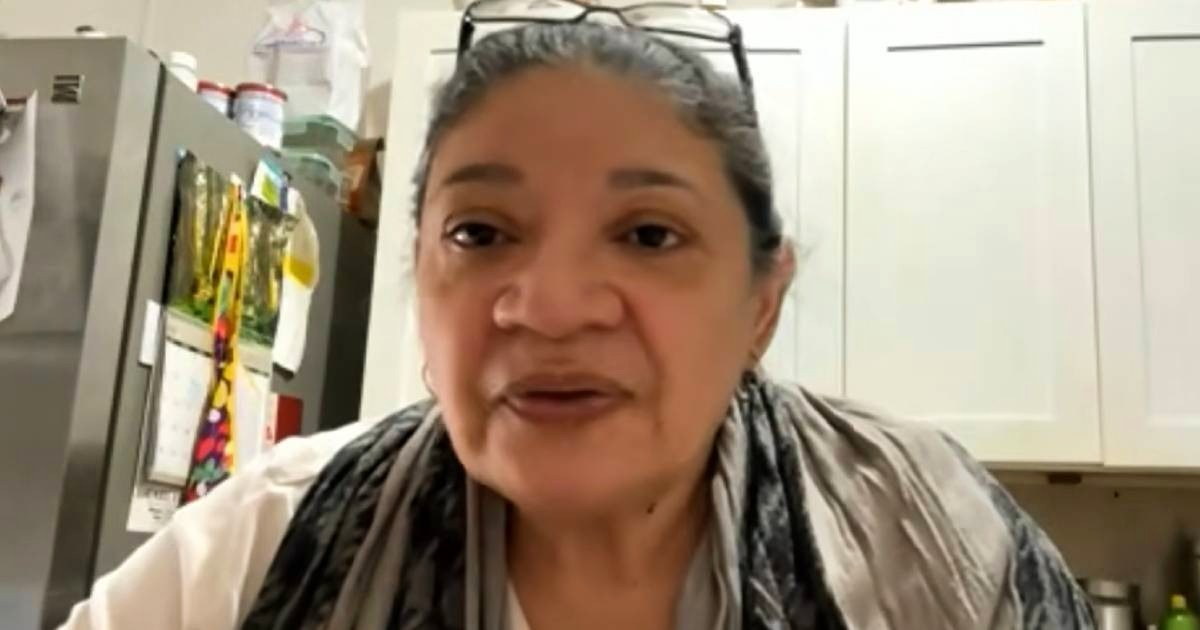
What began as a desperate search to help her brother ended in an economic and emotional nightmare for Odalys González Silvera, a 61-year-old Venezuelan immigrant who, after three decades of living in the Bronx, lost more than $5,000 in a sophisticated immigration scam.
The woman was the victim of fake lawyers who contacted her through Facebook, just as her brother, Jaiker González, was being detained by agents from Immigration and Customs Enforcement (ICE) in Arizona, despite having Temporary Protected Status (TPS), according to a report by Telemundo.
The arrest, which occurred in April 2025, sparked a race against time to try to extricate him from an increasingly aggressive immigration system. Unsure of where to turn and pressured by the fear of deportation, Odalys turned to social media in search of legal assistance. It was then that she fell into the hands of scammers who knew exactly how to exploit her distress.
The criminals impersonated the real lawyer Enrique De Jesús Duarte, using his name to lend credibility to a non-existent law firm. With a convincing speech and taking advantage of the urgency of the case, they managed to get Odalys to make several payments via Zelle, sending a total of $5,488 in different transactions to four individuals operating from New York.
The first payment, amounting to 870 dollars, was presented as an initial fee to "take the case." From there, the demands continued under various legal pretexts, until the money disappeared along with any trace of the supposed lawyers.
Stories like Odalys' are becoming increasingly common. Amid a climate of rising migratory pressure, thousands of families live in a constant state of uncertainty, making them easy targets for fraud networks that mainly operate on digital platforms.
Data from the Federal Trade Commission reveals the extent of the problem: over 2.6 million reports of digital fraud have been linked to scams originating on social media and messaging apps like Facebook and WhatsApp.
Specialists warn that this type of scam has alarmingly increased in recent years, driven by the tightening of immigration policies and the rise in raids and arrests. In this context, fear, misinformation, and urgency play into the hands of the scammers.
For Odalys, the loss is not just financial. It is also the blow of having trusted those who promised to help her during one of the most vulnerable moments of her life. Her story reflects a reality that is becoming increasingly common among migrant communities: when support is needed the most, it is also when those looking to take advantage are lurking the closest.
Filed under: