
Related videos:
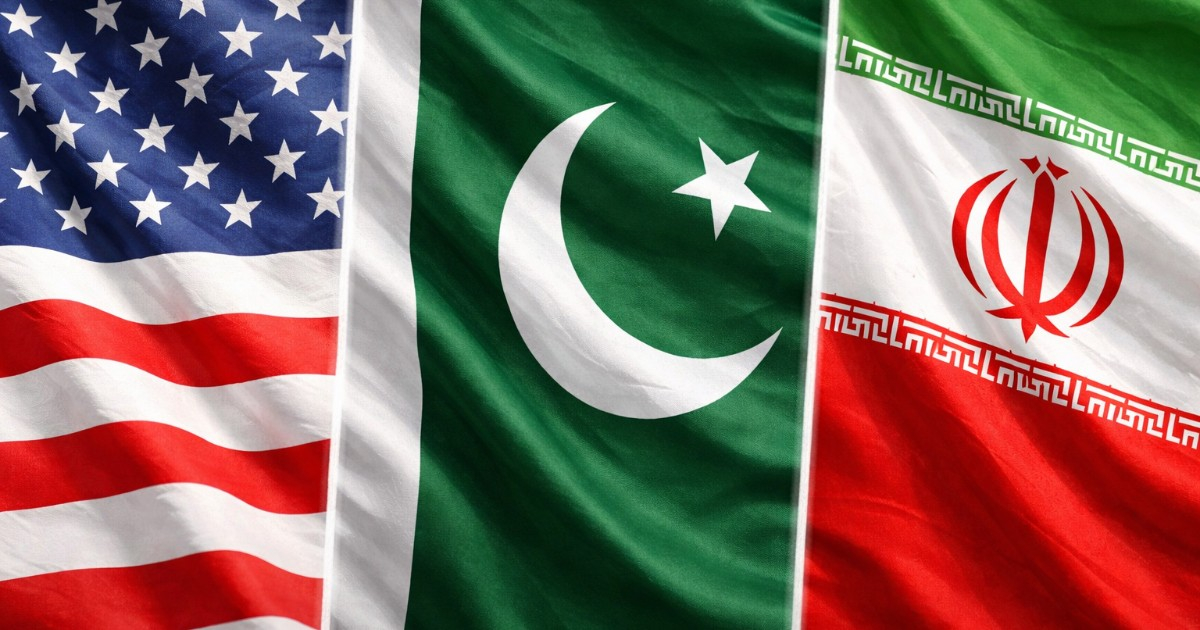
Pakistani sources announced on Thursday a "significant breakthrough" in the negotiations between the United States and Iran regarding the Iranian nuclear program, as Islamabad intensifies its role as a neutral mediator between the two powers.
The chief of the Pakistani Army, Field Marshal Asim Munir, led a high-level delegation that traveled to Tehran to deliver a message from Washington to the Iranian leadership, according to the Iranian state television Press TV.
Munir was received by the Iranian Foreign Minister Abbas Araghchi, who expressed gratitude for Pakistan's "generous hospitality in the dialogue."
The correspondent of Al Jazeera, Osama Bin Javaid, who has closely followed the discussions, noted that the Pakistani delegates continue to relay messages between Washington and Tehran and that "it is hoped the Pakistanis can persuade Tehran."
The main point of contention remains the duration of Iran's uranium enrichment freeze.
"Both parties are essentially stuck between five years without enrichment and twenty years without enrichment. And there is a solution in the middle," explained Bin Javaid.
Another central issue is the fate of the 440 kilograms of highly enriched uranium that Iran possesses, which is theoretically enough to produce nine nuclear weapons if enriched to 90% purity.
The options being considered include sending it to a third country, reverting it to its natural form, or reducing it to a 3% enrichment level.
The Pakistani shuttle diplomacy comes after the failure of the first round of direct negotiations held on April 12 in Islamabad, which concluded without an agreement after more than twenty hours of dialogue.
Meanwhile, Prime Minister Shehbaz Sharif traveled to Saudi Arabia as part of a regional tour that includes Qatar and Turkey, in what Bin Javaid described as a "dual strategy" to neutralize the opponents of the agreement, including Israel, which according to Pakistani sources "does not want a peace agreement and seeks perpetual war in the region."
The Pakistani optimism coincides with statements from President Donald Trump, who asserted on Wednesday that the war is "very close to ending" and that the world should prepare for "two amazing days."
The press secretary of the White House, Karoline Leavitt, confirmed that a second round of negotiations is expected to take place in Islamabad and described the talks as "productive and ongoing."
"We feel positive about the prospects of an agreement," stated Leavitt.
From Tehran, the spokesperson for the Iranian Ministry of Foreign Affairs, Esmaeil Baghaei, confirmed that "several messages have been exchanged through Pakistan" and that Iran's positions have been expressed in those exchanges.
Tensions, however, persist: the U.S. naval blockade in the Strait of Hormuz, imposed on April 13, remains in effect, and the U.S. Central Command reported having intercepted nine vessels as of this Thursday.
The two-week ceasefire mediated by Pakistan, Egypt, and Turkey, which came into effect on April 7, expires on April 22, making the upcoming days a critical window to reach an agreement before the conflict may resume.
Filed under: