
Related videos:
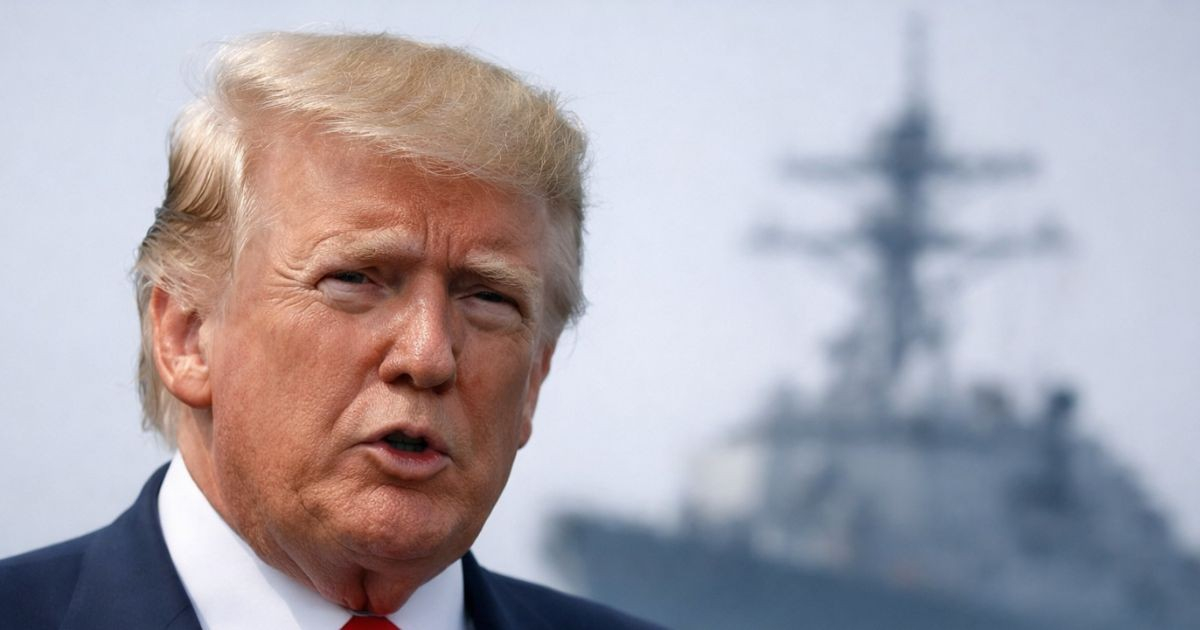
The Pentagon will send over 10,000 additional troops to the Middle East in the coming days, in a move that escalates military pressure on Iran as President Donald Trump claims that the war "is about to come to an end."
According to The Washington Post, citing U.S. officials, the reinforcements include approximately 6,000 personnel aboard the USS George H.W. Bush aircraft carrier and several escort ships, plus 4,200 soldiers from the Boxer Amphibious Group and the 11th Marine Expeditionary Unit, expected to arrive by the end of April.
These forces will be added to the approximately 50,000 personnel that the Pentagon already has deployed in operations against Iran, raising the total to more than 60,000 soldiers in the region.
The moment of deployment is critical: the two-week ceasefire mediated by Pakistan expires on April 22nd, a date that will coincide with the arrival of new reinforcements.
The peace negotiations between the U.S. and Iran in Islamabad failed last Saturday after more than 21 hours of direct talks.
Washington demanded the complete dismantling of Iran's nuclear program and a twenty-year moratorium on uranium enrichment, while Tehran offered only five years and claimed $270 billion in compensation.
After the collapse of the talks, Trump ordered a naval blockade against maritime traffic entering and leaving Iranian ports, which took effect on Monday the 13th.
In less than 48 hours, the U.S. Central Command (CENTCOM) claimed to have completely halted Iranian maritime trade, with nine ships rejected and no leaks.
The retired admiral James Foggo, dean of the Naval Strategy Center of Northern Virginia, warned the Washington Post that the arrival of reinforcements will give the head of CENTCOM, admiral Brad Cooper, "more options if the negotiations fail."
During the Trump administration, discussions are underway regarding potential escalation scenarios, including ground operations in Iranian territory, special missions to neutralize nuclear materials, and control over strategic points in the Persian Gulf.
The conflict began on February 28, 2026 with Operation Epic Fury, coordinated between the U.S. and Israel, which targeted over 5,000 Iranian sites including nuclear facilities. Iran responded by closing the Strait of Hormuz on March 4, through which 20% of the world's oil flows, causing the price of Brent crude to surge from 67 to over 126 dollars per barrel.
Trump stated in an interview on Fox Business that the war could end "very soon" and that he hoped gas prices would return to pre-conflict levels before the legislative elections in November 2026; however, this new troop movement towards the Middle East raises doubts about the potential end of the war.
Filed under: