
Related videos:
An image of former Cuban Vice President Carlos Lage Dávila walking down a street in Havana has gone viral on social media, generating a wave of comments and reactions among users.
The photograph, shared by journalist Mario J. Pentón on Facebook and by other profiles, shows a man whom many identify as the former leader, dressed modestly and walking on foot, far from the centers of power he occupied for years within the Cuban regime.
The post quickly sparked a debate, and while some internet users questioned their identity, others claimed to recognize him easily: "That's Carlos Lage!".
The comments reflect a mix of surprise, irony, and criticism. “From vice president to pedestrian, the twists and turns of life,” wrote a user.
Others resorted to humor: "He needs the little bag," or "That's the bag remover," referencing Lage for having eliminated the "incentive bags" for workers in the Cuban business sector.
Internet users also highlighted their role in unpopular economic decisions and left a clear verdict: “Lage, everyone reaps what they sow.”
There were also more moderate voices that called for caution or even defended his position, highlighting his professional background and asserting that he was a victim of internal struggles within the power structure in Cuba.
However, the prevailing tone is one of mockery or venting, highlighting the erosion of the public image of former leaders amid the deep crisis the country is experiencing.
Carlos Lage was removed from his position in 2009 without any explanation. He has kept a low profile for years. He did not leave Cuba and continued working in the healthcare sector. Some residents of Havana claim that he usually walks to his polyclinic.
The virality of this image momentarily brings him back to the center of public debate, in a context where many Cubans question the legacy of those who have led the country for decades, especially those who remain in power.
Others highlight how the Revolution used these men (the same happened to many women leaders) and then discarded them. The regime applied what is referred to as "vaporization," as described in Orwell's literary work "1984." This is not just a literary metaphor; they erased their lives as if they had never existed in the Cuban political landscape. They silenced them and "killed them while still alive."
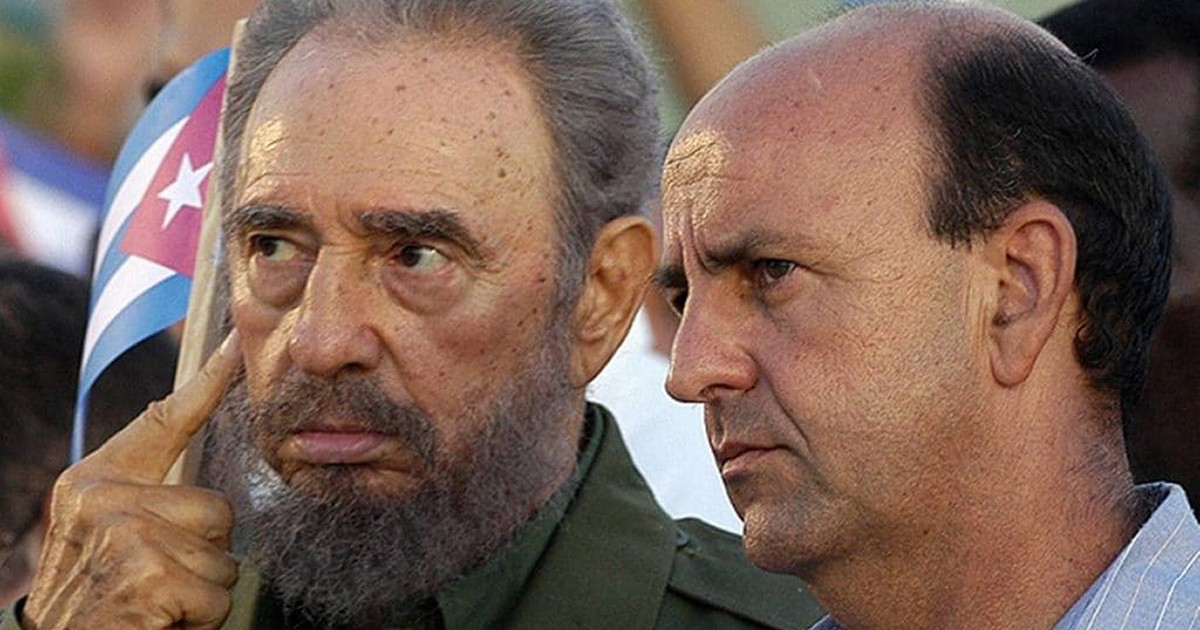
In January, the reappearance of Felipe Pérez Roque also caused a stir on social media after he was captured in a BBC image during the tribute to 32 Cuban soldiers who died in Venezuela.
The face of the former chancellor emerged among the crowd in Havana, dressed simply and with a weary expression, in stark contrast to the political prominence he held in the past.
Felipe Pérez Roque and Carlos Lage Dávila were dismissed simultaneously. Fidel Castro justified their expulsion with these words: “The honey of power, for which they did not know any sacrifice, awakened in them ambitions that led them to an undignified role. The external enemy was filled with illusions because of them.”
Filed under: