
Related videos:
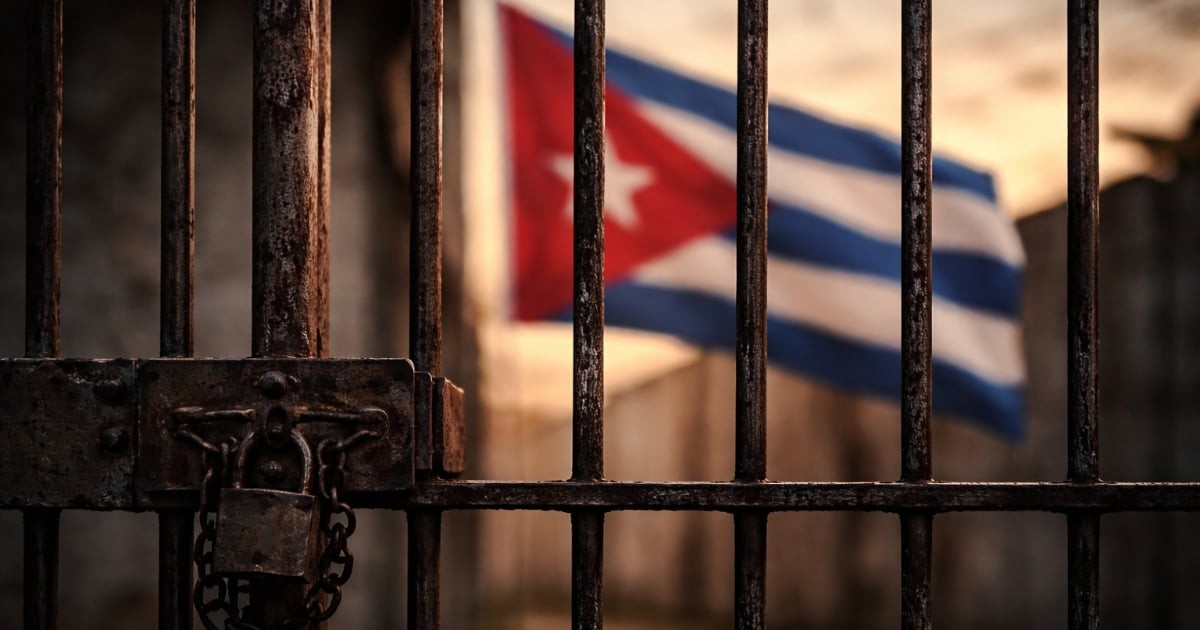
The organization Justicia 11J reported this Friday, International Day of Political Prisoners, that there are currently 775 political prisoners in Cuba, of which 338 were unjustly sentenced for participating in the historic protests of July 11, 2021.
"According to our records, there are currently 775 people imprisoned for political reasons on the Island. Of these, 338 were unjustly sanctioned for participating in the historic protests of July 2021," the organization stated in a press release published on its social media.
The demographic breakdown shows that 729 of the inmates are men and 46 are women.
Among the 775 detainees, 287 are of African descent, 72 suffer from chronic illnesses, 30 have psychosocial disabilities, 26 are elderly, and 11 were minors at the time of their detention.
In addition, 17 are mothers, 141 are opposition members, 34 are activists or human rights defenders, and eight are independent journalists.
Justicia 11J also documented systematic repressive patterns in Cuban prisons: beatings, physical and psychological torture, prolonged confinement in punishment cells, arbitrary transfers, enforced disappearances, and denial of medical and religious assistance.
The organization warned that the prison conditions—characterized by overcrowding, lack of hygiene, inadequate food, and shortages of water and basic medical supplies—violate the Mandela Rules and the Convention against Torture, international treaties to which Cuba is a signatory.
The Cuban regime, however, systematically rejects these denunciations and labels political prisoners as "vandals," "criminals," or "mercenaries" accused of sedition, disrespect, or enemy propaganda, denying their political status.
The report arrives two weeks after the Cuban government announced, on April 2, a pardoning of 2,010 prisoners that explicitly excluded those convicted of "crimes against authority" —sedition, contempt, and public disorder— categories that have been used precisely to criminalize the protesters of July 11 (11J).
The organization Cubalex was unable to confirm the release of any political prisoners following that pardon.
In March 2026, the regime announced the release of 51 prisoners, but Justicia 11J could only confirm 20 as political prisoners actually released.
The current figure of 775 represents a reduction from the peak of 1,494 documented political prisoners in 2022, following the massive wave of arrests that followed the protests on July 11, although the organization Prisoners Defenders reported a higher number — 1,214 — at the end of February 2026.
"We will continue to document their situation, presenting their testimonies to international Human Rights mechanisms and demanding their immediate and unconditional freedom," concluded Justicia 11J.
Filed under: