
Related videos:
The oil donated by Russia is already being processed at the Cienfuegos refinery and allows for a temporary increase in electricity generation in Cuba, although authorities acknowledge that the fuel will not eliminate the prolonged blackouts or meet the country's energy demands.
According to the information shared by the official journalist Lázaro Manuel Alonso on his Facebook profile, Russian fuel is being refined to produce diesel, gasoline, liquefied gas, and fuel oil, products that Unión Cuba-Petróleo (Cupet) prioritizes to address the energy deficit.
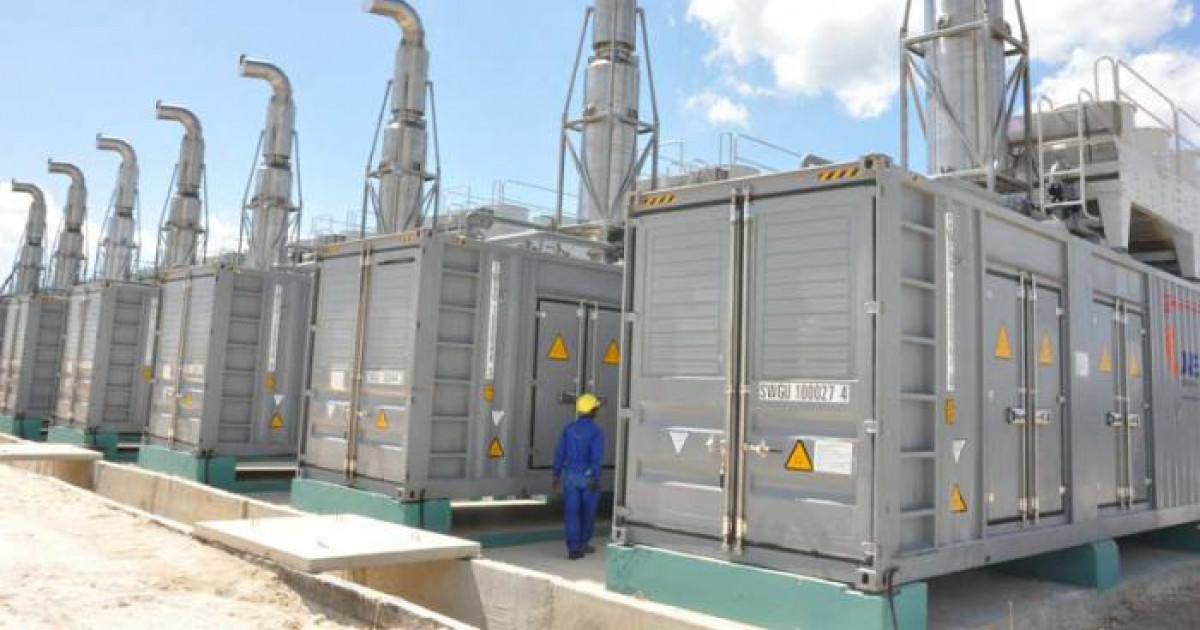
The fuel oil has already begun to be distributed to the power plants that operate with that fuel, while the diesel is allocated to the so-called distributed generator sets that strengthen the national electrical system, he specified.
The authorities themselves have acknowledged that this is a gradual process and that the available volumes will not allow for the elimination of blackouts nor will they meet the energy needs of the Cuban economy.
Even so, the supply has been presented as a temporary relief.
This Saturday power generation exceeded 1,800 megawatts, a capacity the country had not reached in several months.
However, the gap remains significant, as during peak hours, more than 3,000 megawatts are needed to meet the demand of Cuban households.
The fuel comes from a shipment of 100,000 tons of crude oil donated by Russia, the processing of which allowed the Camilo Cienfuegos refinery in Cienfuegos to resume operations after being paralyzed for about four months.
The derivatives obtained are distributed to all provinces of the country via trucks, trains from the Union of Railroads of Cuba, and ships, in a logistical operation aimed at partially alleviating the fuel deficit.
However, the authorities themselves have admitted that the donation would only cover about a third of the national demand for a month, highlighting the magnitude of the energy crisis facing the island.
Cuba needs between 90,000 and 110,000 barrels of oil daily to sustain its economy, but it only produces around 40,000 barrels, which for decades has forced the country to rely on external energy subsidies.
The first Russian shipment arrived on March 31 at the port of Matanzas aboard the tanker Anatoly Kolodkin, carrying about 730,000 barrels of crude oil, a volume that barely suffices to cover between seven and ten days of consumption.
Meanwhile, a second Russian tanker, the Universal, is sailing towards the Caribbean with an estimated arrival on April 29, confirming that the Cuban regime is once again relying on energy assistance from Moscow to sustain essential services.
Even with these supplies, the electrical deficit remains severe. In recent months, large areas of the country have experienced blackouts of up to 25 hours a day, a situation that reflects the structural collapse of the Cuban energy system and the state's inability to ensure a stable supply of electricity.
Filed under: