
Related videos:
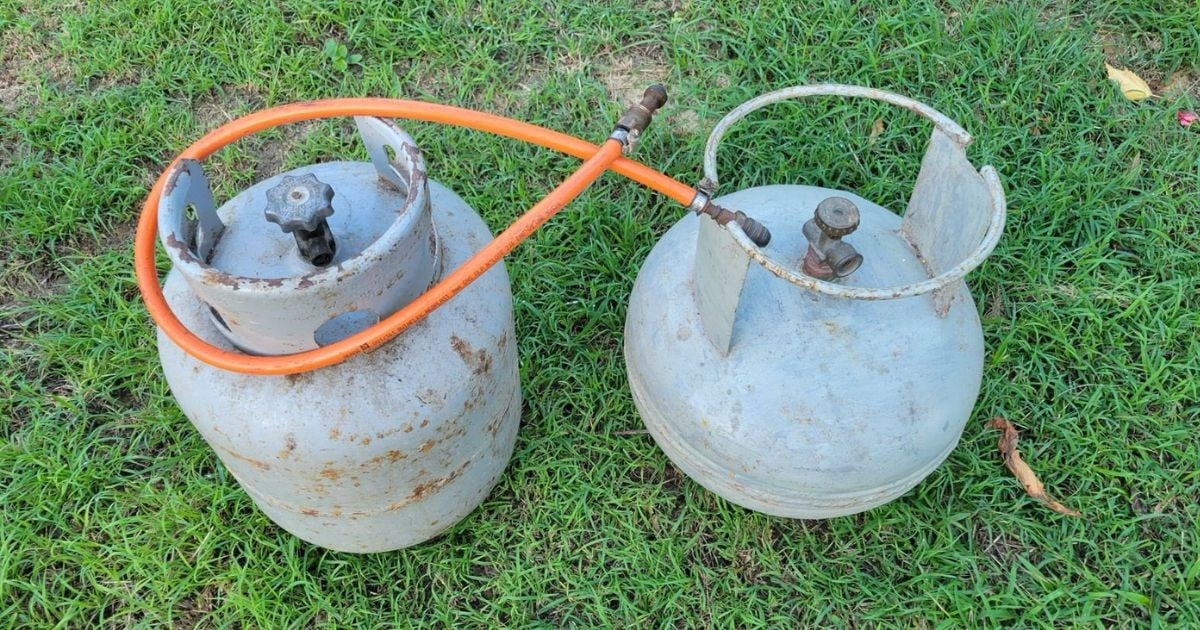
The informal fuel market in Cuba has reached prohibitive prices amid an unprecedented energy crisis in a decade: the price of a liter of gasoline ranges between 3,000 and 6,000 Cuban pesos, and a household gas cylinder can cost as much as 50,000 pesos in cities, as reported by the Food Monitor program this Tuesday.
The independent organization that monitors food security on the island alerted on social media X that the energy situation has entered a critical phase after more than two months without official oil supply, an unprecedented occurrence in the last ten years.
Cuba has gone over two months without receiving oil from international suppliers officially, marking the first time in ten years that the shortage has lasted for such an extended period.
The crisis was triggered by a series of simultaneous blows: the capture of Nicolás Maduro on January 3, 2026, cut Venezuelan shipments by between 25,000 and 35,000 barrels per day.
Additionally, Mexico suspended its supplies on January ninth under pressure from Washington, covering 44% of Cuba's crude oil imports; and finally, President Donald Trump signed an executive order on January 29th that imposed an additional oil embargo on the island.
The country produces only 40,000 barrels daily internally against a demand of between 100,000 and 110,000, making the deficit unsustainable without external imports.
The collapse of liquefied petroleum gas has been especially devastating for domestic life.
The distribution has been suspended indefinitely in Santiago de Cuba and the eastern provinces since January, with almost no presence in western provinces at the beginning of the year.
Food Monitor Program also warned that the liquefied gas crisis has spread to much of the country, with prolonged interruptions and barely noticeable restoration in Havana, Artemisa, and Mayabeque.
In the absence of a stable fuel supply, thousands of households have had to once again turn to wood, charcoal, and other more dangerous and expensive alternatives for cooking, reflecting an accelerated deterioration of living conditions on the island.
The impact extends beyond the domestic sphere. The fuel shortage has paralyzed key sectors such as transportation, agriculture, and food distribution, exacerbating a crisis that is already affecting basic access to essential products and jeopardizing the country’s food security.
Filed under: