
Related videos:
Negotiations between Iran and the United States are at a critical moment, marked not only by external pressure but also by internal tensions within the Iranian regime itself, which complicate the possibility of reaching a stable agreement.
In recent weeks, Tehran has sent contradictory signals regarding its willingness to negotiate, reports El País. Delegations that were supposed to meet in Islamabad failed to schedule key meetings, reflecting a lack of internal coordination within the Iranian political apparatus.
This uncertainty coincides with a context in which strategic decisions appear increasingly influenced by entrenched power sectors.
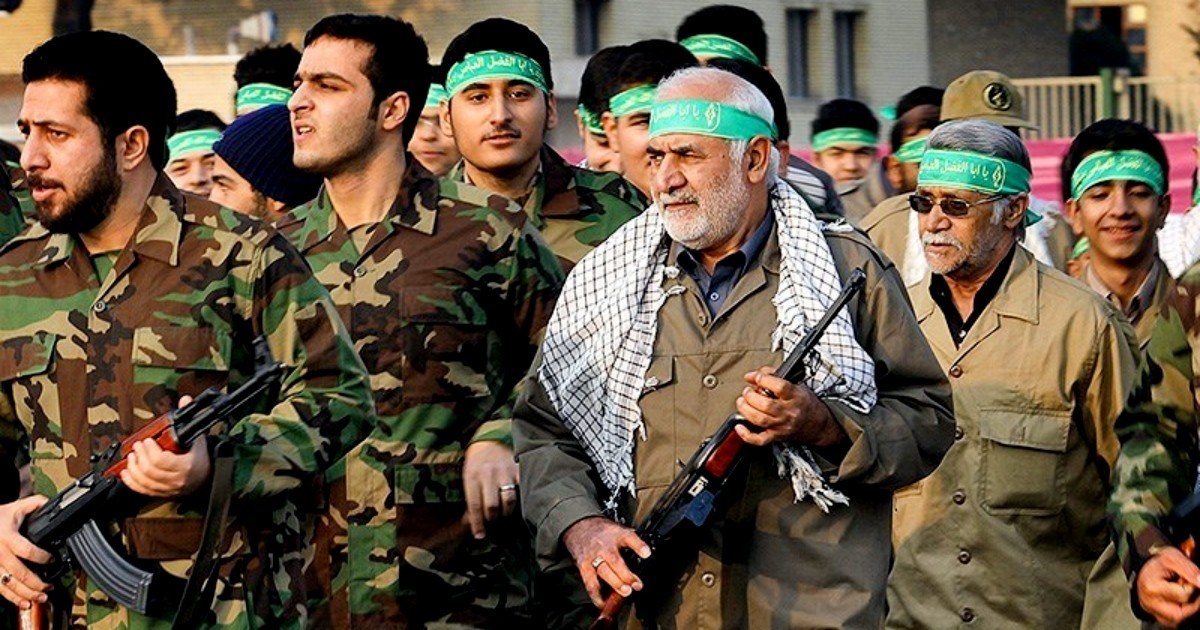
Analysts and international media agree that the Islamic Revolutionary Guard Corps (IRGC) has strengthened its influence amid the crisis. This military body, essential to the regime's structure, not only controls strategic areas such as the Strait of Hormuz but also plays a decisive role in the country's negotiating stance. Its ability to impose conditions limits the latitude of Iranian diplomats and reduces the coherence of the official message.
At the same time, the profound differences between Iran and the United States on essential issues —such as the nuclear program, the lifting of sanctions, or the control of maritime traffic— remain unresolved.
Washington demands extended restrictions on uranium enrichment, while Tehran conditions any progress on the lifting of sanctions and the naval blockade, which the regime considers an act of war.
This combination of external pressures and internal uncertainty has created a scenario in which the truce is fragile and negotiations are progressing "with great caution," without guarantees of success. In fact, President Donald Trump himself has warned that, if there is no progress, the military offensive could intensify.
In this context, the lack of a unified voice in Tehran not only weakens its position against Washington but also increases the risk of escalating conflict throughout the region.
Filed under: