
Related videos:
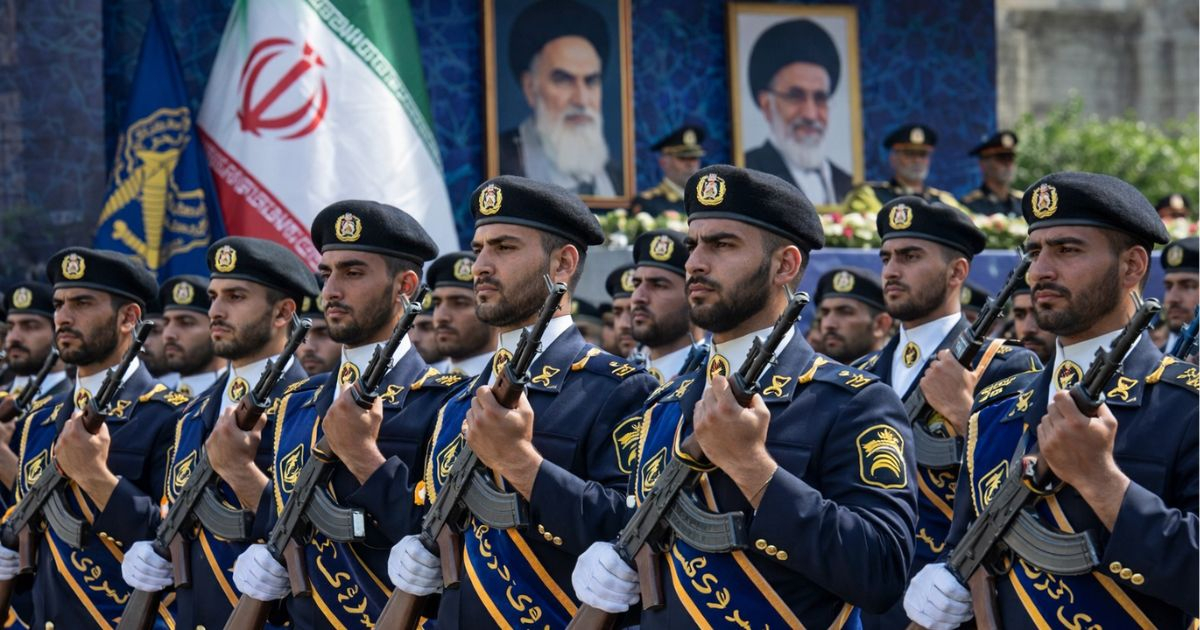
The Iranian Revolutionary Guard responded this Saturday to the 48-hour ultimatum issued by President Donald Trump for the complete reopening of the Strait of Hormuz, rejecting the demand and threatening retaliation against energy and desalination plants in the United States and Israel if their facilities were bombed.
Trump issued the ultimatum on his social network Truth Social on March 21, 2026, amid the war between the United States, Israel, and Iran that began on February 28 with 'Operation Epic Fury'. Trump gave Iran a 48-hour ultimatum to reopen the strait. "If Iran does not fully open the Strait of Hormuz within 48 hours from this precise moment, without threats, the United States will attack and destroy its various power plants, starting with the largest!" the president wrote.
The Iranian regime, led since March 8 by Mojtaba Jamenei —the son of the late supreme leader Ali Khamenei, who died on March 1 during the initial bombings— declared through its representative to the International Maritime Organization that the strait remains open to international navigation, except for vessels from the United States and Israel. The Revolutionary Guard classified any attack on its facilities as an act that would trigger immediate retaliation.
On the same day as the ultimatum, 22 countries led by the United Arab Emirates —with the support of the United Kingdom, France, Germany, Japan, Canada, and Australia— demanded the immediate reopening of the strait. The joint statement condemned Iranian attacks on unarmed commercial vessels, the laying of mines, and drone and missile attacks. "We call on Iran to immediately cease its threats, the laying of mines, drone and missile attacks, and any attempt to block commercial navigation," the text states.
The 22 countries also urged Iran to comply with the UN Security Council Resolution 2817 and to impose an immediate moratorium on attacks against civilian infrastructure.
The partial blockade of the Strait of Hormuz, which channels about a third of the world's oil trade, has driven crude prices up by more than 40% since the beginning of the conflict, with Brent crude surpassing 118 dollars a barrel. Iran threatened to block oil destined for the U.S. and Israel from the early stages of the conflict. Additionally, it launched missiles at Ras Laffan in Qatar, where the world's largest natural gas export facility is located. The International Energy Agency authorized the coordinated release of strategic oil reserves to mitigate the impact.
Trump described the reopening of the strait as "a very simple military maneuver" and criticized NATO as "cowardly" for not getting involved in the conflict, which at the time of the ultimatum had exceeded 21 days of fighting. the Department of War stated that the attacks have decimated Iran's military capability. Saudi Arabia reported on Sunday that it had intercepted Iranian drones and missiles targeting its eastern region and Riyadh, with no damage recorded.
The ultimatum deadline expires approximately this Monday, March 23, with the conflict showing no signs of easing and Trump ruling out the deployment of ground troops while maintaining air pressure on Iran.
Filed under: