
Related videos:
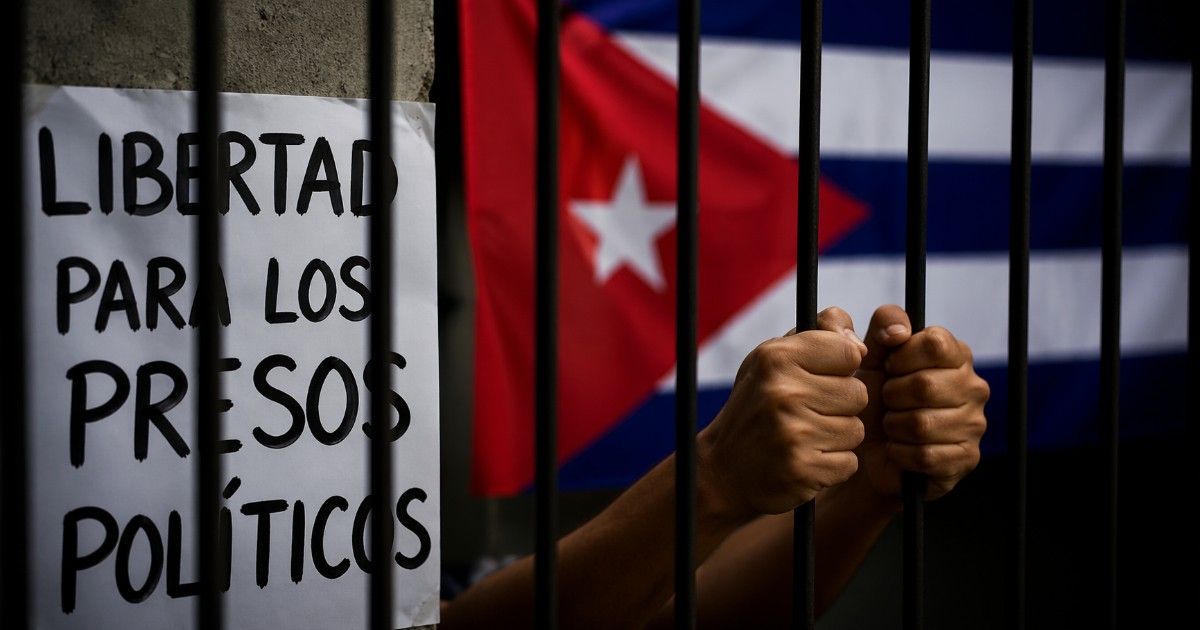
The U.S. State Department reaffirmed its commitment to the release of all political prisoners in Cuba this Friday, amid direct diplomatic negotiations with the Díaz-Canel regime that are at a critical juncture, according to the Associated Press.
The two-week deadline imposed by Washington on Havana to release high-profile political prisoners expires today, without any confirmed additional releases of the most emblematic cases.
The State Department was clear in its warning to the regime: "The Cuban regime must stop playing games while direct talks are underway. They have a small window to make a deal."
The negotiations began on April 10, when a U.S. delegation secretly arrived in Havana on the first official flight since 2016, meeting with representatives of the regime at the undersecretary of state level from the U.S. and at the deputy foreign minister level from Cuba.
However, the Cuban ambassador to the UN, Ernesto Soberón Guzmán, stated to AP that internal matters regarding detainees are not on the negotiation table.
Soberón Guzmán attempted to equate both judicial systems by stating: "We have our legal system, just as here in the U.S. they have theirs. So we need to respect the internal matters of both."
The Cuban diplomat also rejected any "ultimatum" from Washington and conditioned any progress on mutual easing of the embargo, describing the conversations as "a two-way highway."
Two of the most internationally renowned political prisoners and high-profile cases in the demands of the U.S. are the artist Luis Manuel Otero Alcántara, sentenced to five years for the protests on July 11, 2021, and the rapper Maykel “Osorbo” Castillo, sentenced to nine years; both have been recognized as prisoners of conscience.
Recently, Otero Alcántara staged a total hunger strike lasting eight days in the prison of Guanajay, prompted by death threats from State Security agents. Osorbo also went on a hunger strike in the prison of Pinar del Río, denouncing degrading treatment.
The regime of Díaz-Canel, for its part, described the meeting on April 10 as "respectful and professional" and in a "very preliminary phase."
Filed under: