
Related videos:
The Government of Panama announced the release of three Panamanian women detained in Cuba since late February, as part of diplomatic efforts to resolve the case of the 10 citizens from that country arrested in Havana accused of putting up posters against the regime.
The three released citizens are Evelyn Castro, Cinthia del Carmen Camarena, and Abigail Sthefany Gudiño, who returned to Panama this Saturday via Tocumen International Airport, according to a report from La Estrella de Panamá.
According to the official statement from the Ministry of Foreign Affairs of Panama, the decision was made by the Cuban authorities under the legal figures of "effective collaborator" and "criteria of opportunity," in recognition of the cooperation provided by the three women during the judicial process.
The Panamanian statement described the measure as "a gesture of humanity and friendship towards Panama" and explicitly thanked Miguel Díaz-Canel and Foreign Minister Bruno Rodríguez Parrilla for making "this outcome" possible.
The 10 Panamanians had been arrested in the Havana neighborhoods of Boyeros and Jaimanitas in the early hours of February 28, accused by the Cuban Ministry of the Interior (MININT) of "propaganda against the constitutional order", a crime defined in Article 124 of the Cuban Penal Code with penalties of up to eight years in prison.
The MININT stated that the group put up posters with slogans such as "Down with the tyranny," "Communism: enemy of the community," and "We trust Donald Trump, Marco Rubio, and Mike Hammer," and that each participant would have received between $1,000 and $1,500.
However, Cuban activists and opponents offered a different account. The Panamanian Jair Ortiz, who managed to leave Cuba before the mass arrests, reported that the group was distributing food, medicine, and essential products to over fifty vulnerable families, elderly individuals, and relatives of political prisoners.
The 10 detainees remained confined in Villa Marista, the headquarters of State Security in Havana, where the Panamanian ambassador Edwin Pitty was able to visit them in March to provide consular assistance.
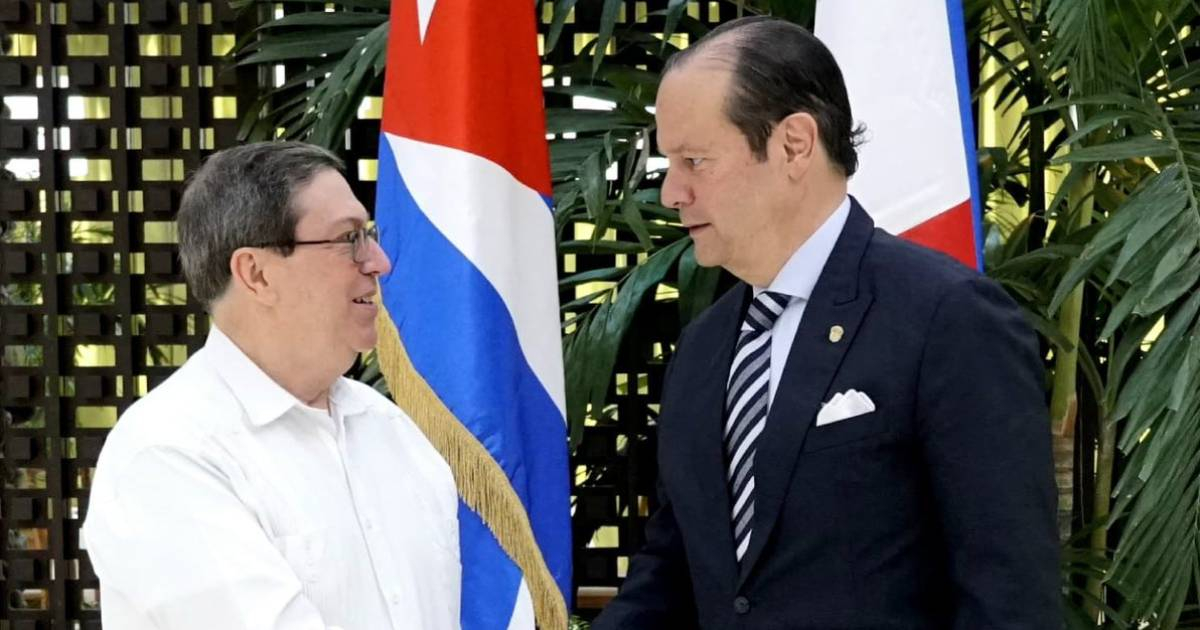
The Panamanian chancellor Javier Martínez-Acha traveled to Cuba on March 25, met with Díaz-Canel and Rodríguez Parrilla, and personally visited the detainees, confirming that they were receiving humane treatment.
The case also sparked protests in Havana: UNPACU and the collective CDPC organized pot-banging events and placed posters in Havana demanding the freedom of the Panamanians.
The Panamanian president José Raúl Mulino instructed the Ministry of Foreign Relations from the very beginning to ensure legal defense, diplomatic protection, and consular assistance for the 10 detainees.
Seven Panamanians remain detained in Cuba. The Government of Panama stated that it "will continue to undertake all necessary diplomatic efforts to ensure the well-being and the prompt resolution of the situation of the Panamanians who are still on Cuban territory."
Filed under: