
Related videos:
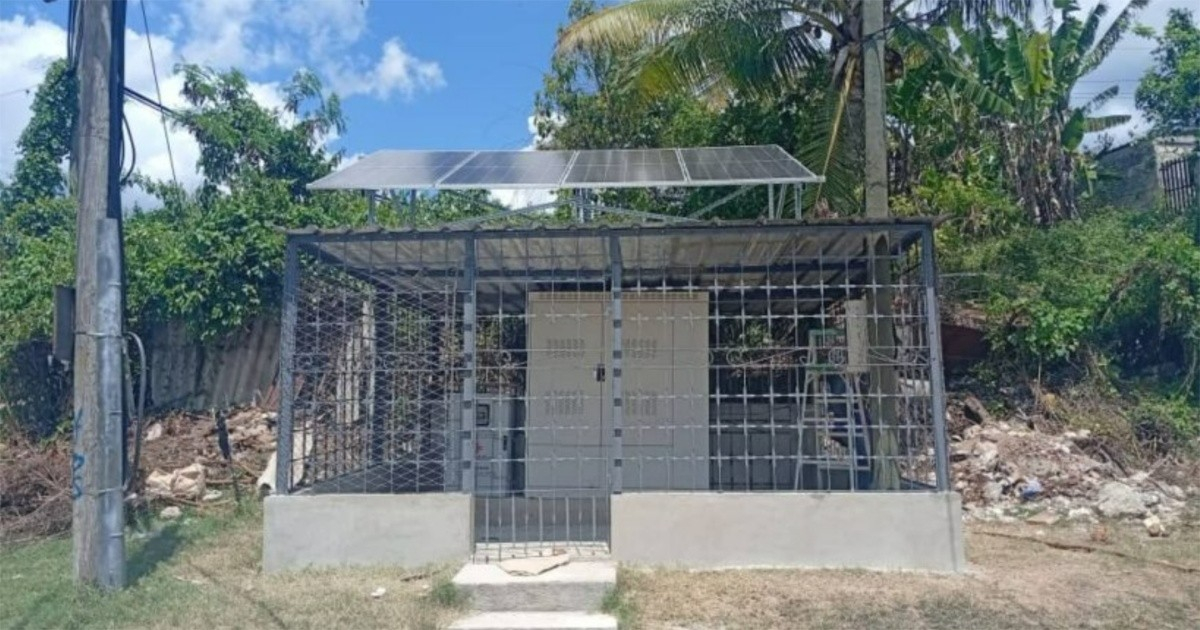
The Cuban regime will allocate 18 photovoltaic systems of 2 kilowatts donated by China to support the fixed telephony and Nauta Hogar services of ETECSA in six municipalities of Matanzas, instead of addressing the electrical crisis that the civilian population is experiencing.
The panels are part of a batch of 5,000 photovoltaic systems that China donated to Cuba in November 2025, originally intended to electrify isolated rural homes and areas devastated by Hurricane Melissa in the eastern part of the country.
Of that total, 2,671 systems were reassigned to "vital centers" in 168 municipalities —including 240 units for ETECSA— in a donation valued at over 114 million dollars.
The 18 systems will be installed in small technological cabinets in the municipalities of Cárdenas, Jovellanos, Matanzas, Jagüey Grande, Colón, and Pedro Betancourt, benefiting approximately 12% of the customers of both services: around 10,248 fixed-line subscribers and 2,540 Nauta Hogar users.
By the end of this week, 16 out of the 18 systems were already undergoing testing.
The pattern follows a logic that the regime applies systematically: while the population endures blackouts of up to 20 hours a day, the available energy resources are channeled towards sectors that generate revenue for the State.
Nauta Hogar is a paid residential internet service, and fixed-line telephone services represent another source of income for ETECSA, the state-owned company that reported losses of hundreds of millions of dollars in 2024.
Cuba has recorded 7,373 power outages across the country as of April 24, 2026, with generation deficits exceeding 1,700 megawatts daily.
On March 16, a total shutdown of the National Electro-Energy System caused a 65% drop in internet traffic on the island, according to data from Cloudflare, illustrating how much ETECSA relies on electrical stability to maintain its revenue.
The director of the Territorial Division of ETECSA in Matanzas, Gustavo Montesinos Reyes, acknowledged that "due to the constant lack of electrical energy, about 70% of the customers are affected," but the remedy offered by the regime does not reach Cuban households.
The company also has two additional programs underway: one with its own budget to install kits ranging from five to seven kilowatts at 29 mobile phone base stations, with equipment being transferred from Mariel; and a third program featuring kits ranging from 16 to 24 kilowatts contracted to non-state management for municipal headquarters and high population density areas in Matanzas.
While ETECSA reinforces its infrastructure with Chinese solar panels, Cubans are turning to their own means to survive the energy crisis, in a country where in February the electricity demand reached 3,100 megawatts compared to only 1,361 megawatts available.
Filed under: