
Related videos:
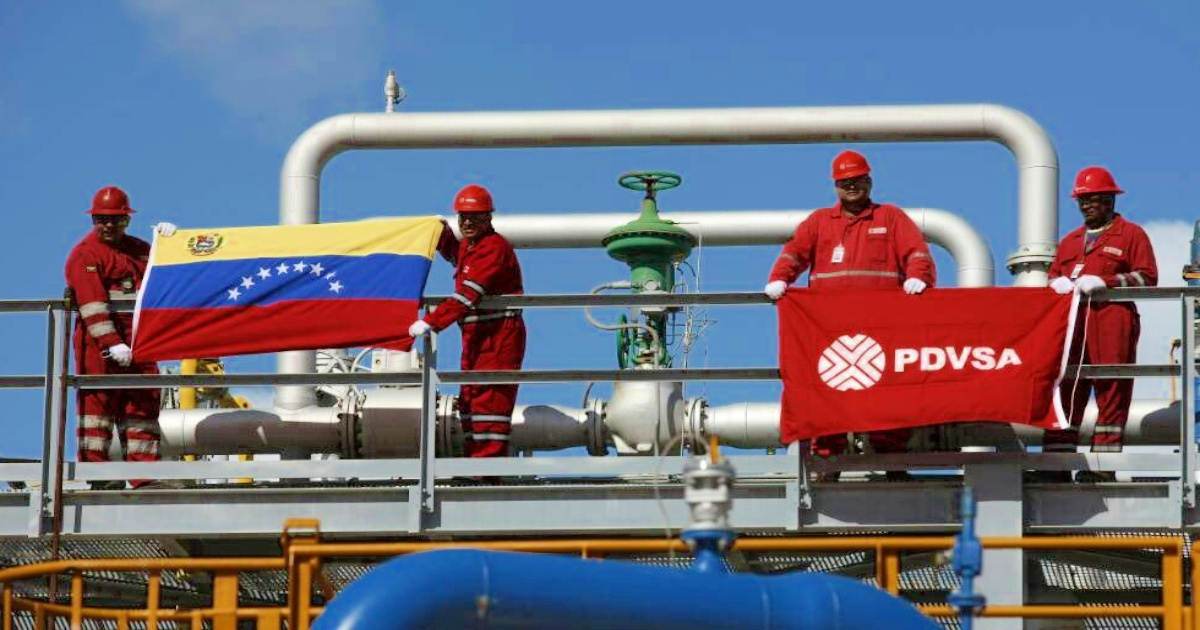
International oil giants are reactivating drilling rigs and equipment that have been stored for years as Venezuela restructures its contracts to attract foreign investment, according to a report by Reuters.
Cheron, Eni, and Repsol renegotiated their agreements with the state-owned PDVSA last year, and investments are set to accelerate in 2026 following the issuance of general licenses by the Office of Foreign Assets Control (OFAC) of the U.S. Department of the Treasury, which authorized transactions with the Venezuelan company.
"Companies are preparing to resume operations," said a source familiar with the matter. "Drills that have been inactive for five years or more are being inspected and refurbished."
The breaking point came on January 3, 2026, when U.S. special forces captured Nicolás Maduro in Caracas. The interim government of Delcy Rodríguez took a radically different stance: opening up to foreign capital and dismantling the model of absolute state control over oil.
The Venezuelan National Assembly approved a hydrocarbon law reform on February 1 that allows direct contracts between PDVSA and private companies without the need to create joint ventures.
Chevron, the largest foreign producer in Venezuela with a production of around 170,000 barrels per day (bpd) before the tightening of sanctions in 2019, aims to increase its production to 300,000 bpd by 2028.
The crude oil exports from Venezuela by Chevron tripled from 100,000 bpd in December 2025 to 300,000 bpd in March 2026, and on April 15, the company increased its stake in the joint venture Petroindependencia from 35.8% to 49%.
On April 16, Repsol signed an agreement with PDVSA to regain operational control of Petroquiriquire, which currently produces around 45,000 bpd, with plans to triple that to approximately 135,000 bpd in three years. "This underscores our commitment in Venezuela since 1993," stated Francisco Gea, the director of Exploration and Production for the Spanish company.
Eni and Repsol plan to jointly invest 2 billion dollars over five years in their joint ventures with PDVSA.
Dozens of drill rigs stored in the eastern Venezuelan fields and Lake Maracaibo are being transported to shipyards in Trinidad and Guyana for inspection. "We're talking about dozens of rigs and the reactivation of hundreds of thousands of barrels of storage capacity," the source added.
Chevron also announced over 100 million dollars to modernize facilities in Venezuela, while the U.S. Secretary of Energy, Chris Wright, projected a 30-40% growth in Venezuelan oil production in the first year following the new licenses.
The production of PDVSA fell from two million bpd in 2016 to just 800,000 bpd in 2023 due to sanctions, disinvestment, and the massive emigration of technicians. The company closed 2025 with 1.2 million bpd and aims to exceed that figure this year.
Venezuela has the largest proven reserves in the world, with 303 billion barrels, concentrated in the Orinoco Belt, making it a strategic target for any global oil company.
However, the CEO of Chevron, Mike Wirth, warned this Sunday that "production cannot be ramped up overnight" without engineering, supply chains, and the return of skilled workers who have emigrated, and that Venezuela "still has work to do" to attract large investments. Analysts estimate that $100 billion would be needed over a decade to reach the historical peak production.
A primary license from Chevron that expires in April 2026 could halt its operations if Washington does not renew it. "The ball is in Washington's court," warned an executive from PDVSA.
Filed under: