
Related videos:
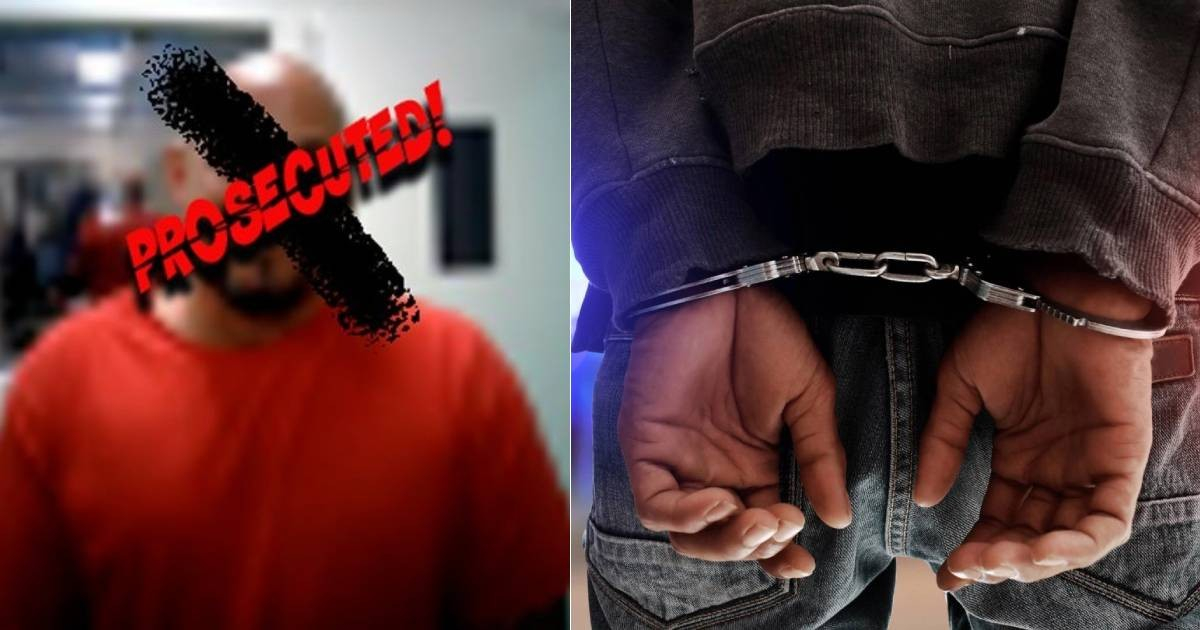
Agents from the Jackson Border Patrol Station, part of the Miami Sector, arrested an undocumented Cuban on April 15, described as a dangerous criminal with an extensive criminal history, in connection with a violation of the Laken Riley Act.
The arrest was announced this Monday by Samuel B. Briggs II, acting chief of the Miami Sector of the Border Patrol, via his official account on X. "On April 15, 2026, agents from the Jackson Border Patrol Station arrested a dangerous illegal Cuban immigrant for a violation of the Laken Riley Act. He will soon be prosecuted for illegal entry and deported," wrote Briggs.
The authorities did not disclose the identity of the detainee nor the specific crimes that led to his arrest under this legislation.
The Laken Riley Act was the first legislation signed by President Donald Trump during his second term on January 29, 2025. It is named after a 22-year-old nursing student who was murdered in Georgia by an undocumented Venezuelan who had been previously arrested but was not turned over to Immigration and Customs Enforcement (ICE).
The rule requires the Department of Homeland Security to issue detainers and to hold without bail undocumented immigrants accused, arrested, or convicted of burglary, theft, shoplifting, assault on law enforcement officers, or any crime that results in death or serious bodily injury.
Florida is the state with the highest concentration of Cubans detained by ICE: 708 of the 1,152 arrested Cubans as of January 2026 were captured in that state, with 60% concentrated in the counties of Miami-Dade, Broward, and Collier.
Nationally, more than 17,500 illegal immigrants had been arrested under the Laken Riley Law by December 2025, according to figures from the Department of Homeland Security.
In parallel, ICE has arrested Cubans with serious criminal backgrounds in Florida in multiple operations during the first months of 2026, as part of the Trump administration's maximum pressure campaign against illegal immigration with a criminal history.
Regarding deportations, the United States conducted three flights to Cuba in 2026. The first on February 9 with 170 Cubans, the second on February 19 with 116, and the third on March 19 with 117 migrants, totaling 403 deported individuals so far this year.
A significant change facilitated these operations. The Cuban regime has begun accepting for the first time deportees with criminal records who were residing in the United States before 2017, reversing a long-standing policy of refusal that for years forced the repatriation of those deportees to third countries.
Filed under: